Category:
EconomyWorld Bank Boosts Bhutan's Economy with $25M Aid
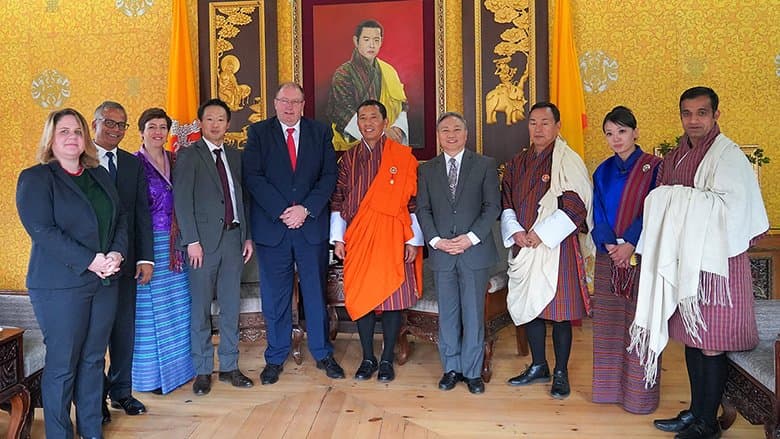
The World Bank has recently approved a $25 million financing package aimed at bolstering Bhutan's economic framework and job market resilience. This initiative, known as the First Growth and Jobs Development Policy Financing, is set to foster an environment conducive to private sector-led job creation. Let's explore the implications and expectations of this significant development.
Strengthening Bhutan's Economic Policies 🌟
This financing initiative is a strategic move to enhance Bhutan's policy and institutional framework. The focus is on improving fiscal and debt management and strengthening worker protection systems. By promoting private sector development, Bhutan aims to create a robust environment for job generation.
Key Areas of Focus
- Fiscal and Debt Management: Enhancing fiscal policies to ensure sustainable economic growth.
- Worker Protection Systems: Developing systems that protect workers and create a conducive environment for employment.
- Private Sector Development: Encouraging private sector participation to drive job creation.
Finance Minister Lekey Dorji has emphasized that this program aligns with Bhutan's long-term vision of becoming a high-income country by 2034. The initiative aligns seamlessly with the 13th Five-Year Plan, focusing on creating quality jobs, especially for youth, women, and vulnerable groups.
Challenges and Opportunities 🎯
Despite Bhutan's steady economic growth, the country faces significant challenges in job creation. Over 40% of the workforce remains engaged in low-productivity agriculture, and quality jobs are predominantly concentrated in the public sector. Youth unemployment is particularly concerning, with rates significantly higher than the national average.
Addressing Youth Unemployment
The program aims to address these challenges by:
- Expanding Access to Finance: Revising borrowing guidelines to enable firms to access international funding.
- Encouraging Business Entry: Strengthening the foreign direct investment framework to stimulate new business ventures.
Economic Reforms and Future Prospects ✨
The financing will support crucial economic reforms, including tax simplification and fiscal adjustments. These changes are expected to reduce the corporate tax burden and compliance costs, promoting formalization and enhancing resource mobilization.
Agricultural Sector Enhancements
In agriculture, efforts will focus on:
- Strengthening Farmer Co-operatives: Enhancing operational efficiency and value addition.
- Improving Subsidy Targeting: Ensuring subsidies are effectively utilized to promote agricultural growth.
Worker Protection and Inclusion 👩💼👨💼
The program also emphasizes worker protection, aiming to enhance the sustainability of the pension system and improve working conditions for women, youth, and vulnerable groups. Encouraging greater private sector participation is key to achieving these goals.
Conclusion: A Step Towards Economic Resilience 💼
This $25 million financing marks the first of three operations aimed at transforming Bhutan's economic landscape. With half of the funding provided as a grant and the other half as concessional financing, Bhutan is well-positioned to leverage these resources for sustainable growth.
As Bhutan moves forward, the focus will remain on creating a dynamic business environment, supported by quality infrastructure and a skilled labor force. This initiative not only promises economic resilience but also a brighter future for Bhutanese citizens, fostering hope and opportunity across the nation.
You May Also Like
Economy
Bhutan's Bold Vision: Two USD 50M Enterprises by 2030
September 27, 2026
Economy
Mega Dry Port in Pasakha: Bhutan's Trade Revolution
September 25, 2026

Economy
Fixed Deposit Tax Withholding: What You Need to Know
September 13, 2026
Economy
DRC's QR Payment Innovation: Tracking Business Income
September 2, 2026