Category:
EducationStudents with Special Educational Needs Showcase Talents
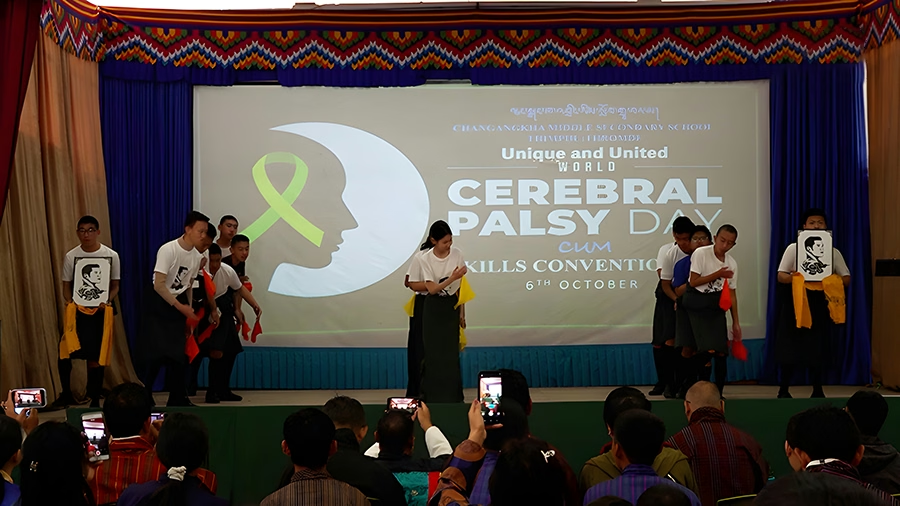
Celebrating Abilities: When Students with Special Educational Needs Take the Spotlight 🌟
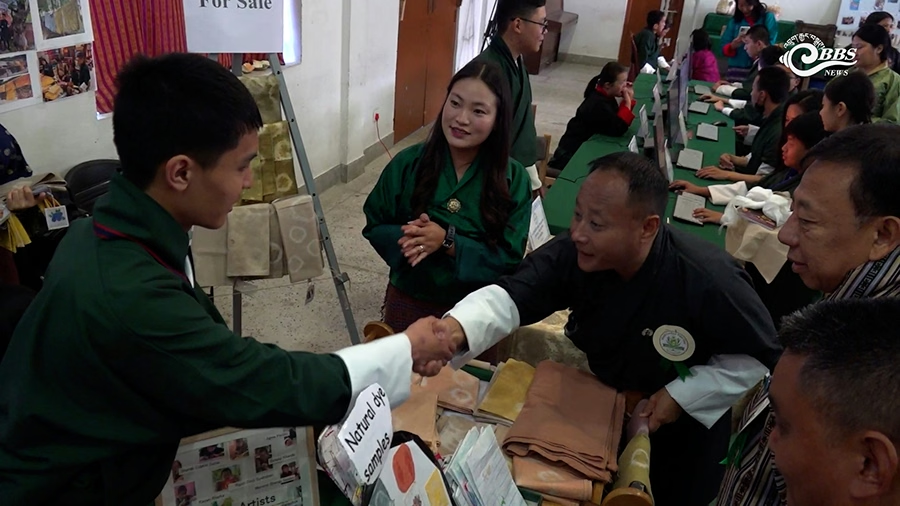
In a world that often overlooks the extraordinary capabilities of students with special educational needs, one school in Bhutan decided to flip the script entirely. By creating a dedicated platform for these learners to demonstrate their skills and creativity, Changangkha Middle Secondary School has set a powerful example of inclusive education in action. The institution transformed its multipurpose hall into a vibrant marketplace of innovation, where approximately 190 students with special educational needs showcased everything from handcrafted textiles to digital designs—proving that talent knows no boundaries.
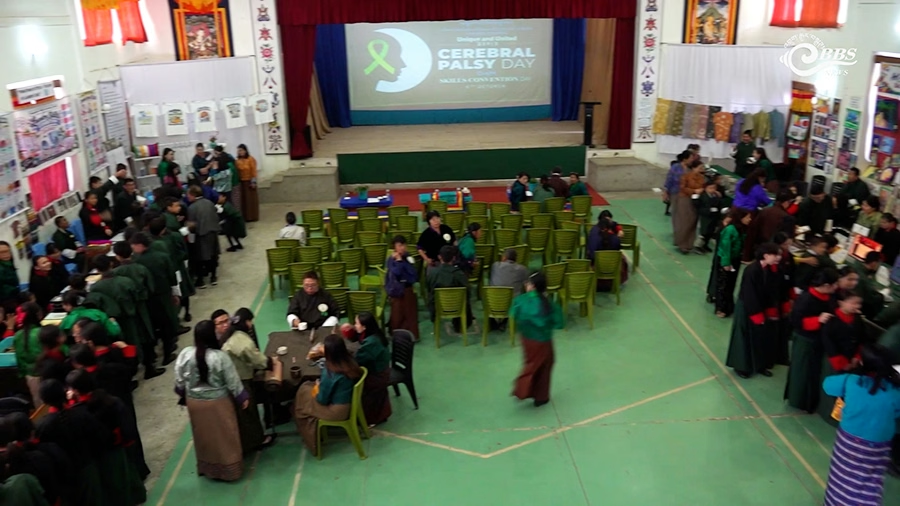
The Power of Inclusive Education 📚
Inclusive education has become increasingly important in modern schooling systems worldwide. According to UNESCO, students with disabilities benefit significantly when educated in mainstream settings alongside their peers, developing stronger social connections and academic confidence. The exhibition at Changangkha Middle Secondary School wasn't merely a display event—it represented a fundamental shift in how educational institutions recognize and celebrate neurodiversity.
The initiative coincided with World Cerebral Palsy Day, a global observance dedicated to raising awareness about cerebral palsy and advocating for the rights and inclusion of individuals living with this condition. Nearly 20 students at the school have cerebral palsy, making this event particularly meaningful for the broader community.
Why Recognition Matters 💡
When students with special educational needs are given genuine opportunities to showcase their abilities, something transformative happens. They develop confidence, build self-esteem, and begin to envision futures where their contributions matter. This exhibition served as a powerful reminder that every child possesses unique talents waiting to be discovered and nurtured.
Diverse Skills on Display: From Art to Technology 🎨
The range of projects exhibited at the school demonstrated the breadth of vocational and creative training available to students with special educational needs. Each station told a story of dedication, learning, and personal growth.
Art and Craft Excellence
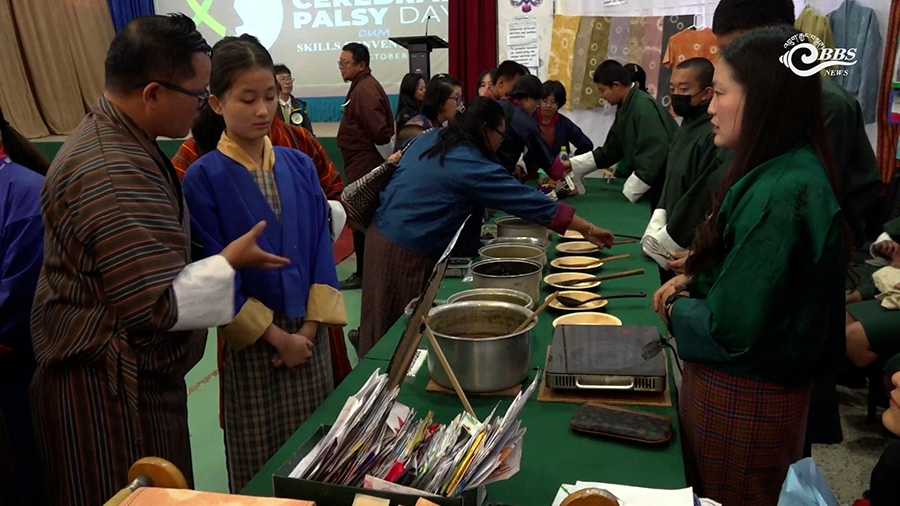
Students from the Art and Craft Skill Class presented beautifully dyed fabrics created using natural products. Darshan Rai, one of the participating students, explained the process with evident pride: the team experimented with various natural materials to achieve a stunning spectrum of colors. This hands-on approach to learning not only teaches practical skills but also connects students to sustainable, environmentally conscious practices.
The exhibition also featured handmade cookies, calendars, and decorative items—each piece a testament to the students' creativity and attention to detail.
Digital Innovation and ICT Skills 💻
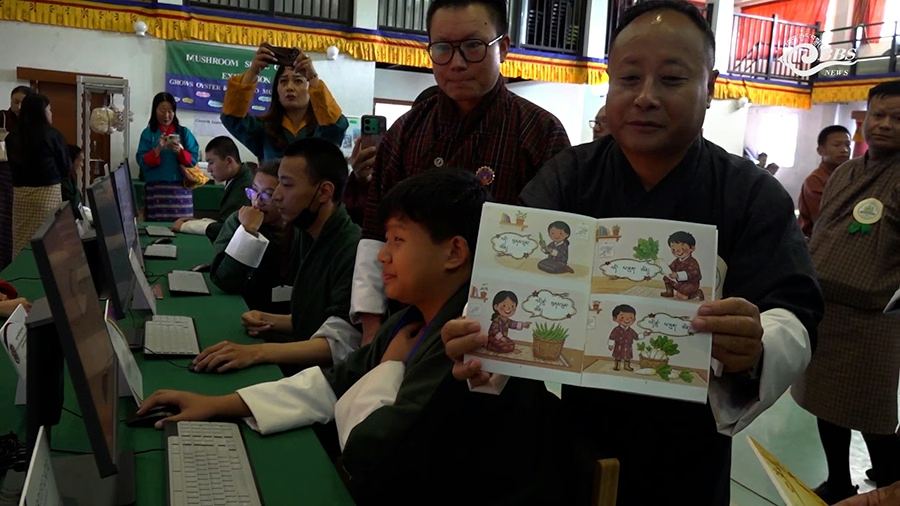
In today's digital-first world, technological literacy is essential for all students. The ICT class students proved they could master sophisticated design software and digital tools, creating professional-quality certificates, calendars, and books. Lotey Yoesel Yezer, an IT skill class student, demonstrated the complexity of their work, explaining how they designed multiple items using digital platforms. This exposure to technology opens doors to future employment opportunities in an increasingly digitalized job market.
Practical Vocational Training 🧵
Beyond creative pursuits, the exhibition highlighted essential vocational skills that prepare students for independent living and employment. The tailoring class showcased practical creations like pot mats and cup mats—items that demonstrate precision, patience, and marketable craftsmanship.
Rohan Monger, a tailoring class student, proudly displayed his work, highlighting how practical skills training translates into tangible products. Similarly, students from the laundry skills class discussed their commitment to mastering dry cleaning techniques, viewing this training as a pathway to future employment and self-sufficiency.
Agricultural and Horticultural Initiatives 🍄
One particularly innovative aspect of the program involved mushroom cultivation. This agricultural skill development initiative teaches sustainable food production while providing students with knowledge applicable to both personal sustenance and potential entrepreneurial ventures. Growing mushrooms requires understanding of environmental conditions, timing, and care—cognitive and practical skills that benefit students in multiple ways.
The Broader Context: Special Educational Needs in Modern Schooling 🌍
According to global education statistics, approximately 258 million children worldwide remain out of school, with children with disabilities facing disproportionate barriers to educational access. Countries like Bhutan that prioritize inclusive education and specialized skill development for students with special educational needs are pioneering models that other nations are beginning to emulate.
The integration of vocational training within mainstream schools ensures that students with special educational needs develop marketable skills that enhance employability. Research indicates that individuals with disabilities who receive comprehensive vocational training experience higher employment rates and greater economic independence compared to those without such training.
Building Confidence Through Public Recognition ✨
One of the most significant aspects of this exhibition was the public recognition it provided. When students with special educational needs present their work to an audience—whether peers, teachers, parents, or community members—they experience validation that extends far beyond the classroom. This public acknowledgment reinforces their sense of belonging and capability.
The exhibition format also challenged stereotypes and misconceptions about what students with special educational needs can achieve. Observers witnessed firsthand the sophistication of digital designs, the beauty of hand-dyed textiles, and the precision of tailored items. These visual demonstrations speak more powerfully than any statistics about inclusion and capability.
Key Takeaways: Why This Matters 🎯
The exhibition at Changangkha Middle Secondary School illustrates several critical principles in modern special education:
- Skill-Based Learning: Vocational training provides practical, applicable knowledge that enhances employability
- Public Recognition: Exhibitions and showcases build student confidence and challenge societal biases
- Diverse Pathways: Not all students follow traditional academic tracks; alternative skill development is equally valuable
- Community Engagement: Involving families and communities in celebrating student achievements strengthens support systems
- Sustainability: Teaching sustainable practices like natural dyeing and mushroom cultivation promotes environmental consciousness
Looking Forward: The Future of Inclusive Education 🚀
As educational systems worldwide grapple with how to better serve students with special educational needs, initiatives like this exhibition provide a roadmap. By combining academic instruction with practical vocational training, creating platforms for public recognition, and fostering genuine inclusion, schools can transform the educational experience for all learners.
The students who participated in this exhibition aren't simply learning skills—they're building futures. Each handmade item, each digital creation, each cultivated plant represents possibility. For students with special educational needs, opportunities to showcase their talents publicly can be life-changing, opening doors to employment, independence, and community contribution.
The real measure of an educational system's success isn't just academic achievement scores. It's whether every student—regardless of ability—leaves school with confidence in their capabilities, practical skills for employment, and the knowledge that their contributions matter. Changangkha Middle Secondary School has demonstrated that this vision is not only possible but transformative.
You May Also Like
Education
Local Produce Connects Gongthung Farms and School
September 21, 2026

Education
Two Students Transform Library System Into Digital Solution
September 16, 2026
Education
Strengthening School Support for Students Unable to Afford Tuition
September 13, 2026
Education
Student Citizen Journalism: Breaking Silence on Bullying
September 12, 2026