Category:
PoliticsRevised Block Grant Guidelines: A New Era
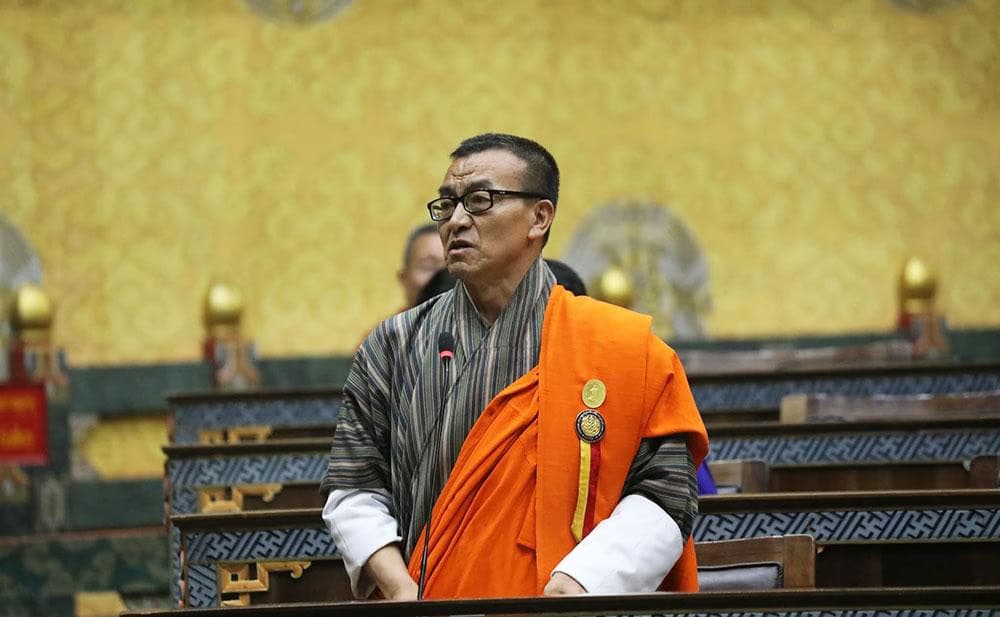
The winter session of Bhutan's Parliament promises to be a pivotal moment for local governments, as Finance Minister Lekey Dorji prepares to unveil revised guidelines for the annual block grants. This initiative is a response to the challenges voiced by local governments regarding the current Resource Allocation Framework (RAF). The existing system, while designed for transparency and equitable resource distribution, has been criticized for limiting the flexibility needed to address immediate local needs, especially in sectors like health and education.
The Current System: A Double-Edged Sword ⚖️
The RAF-based allocation system was introduced to ensure that resource distribution is both predictable and transparent. It uses a fixed formula to guide budget allocations, minimizing individual discretion and central intervention. However, local governments have found this rigidity to be a hindrance, especially when quick, localized decision-making is necessary.
Challenges Highlighted by Local Governments 📊
Local government representatives have expressed that the current framework restricts their ability to address small-scale developmental needs promptly. The constraints are particularly felt in grassroots-level projects, where immediate intervention can significantly impact community welfare.
- Health and Education: These sectors have been notably affected, with local governments unable to swiftly allocate funds where they're needed most.
- Flexibility Needs: There's a call for greater decentralization, allowing local authorities more discretion to manage their unique priorities.
A Parliamentary Perspective: Balancing Accountability and Autonomy 🏛️
The Finance Minister's presentation of the Action Taken Report (ATR) sparked a broader discussion in Parliament about finding the right balance between financial accountability and local autonomy. While the RAF system stands as a model of procedural transparency, lawmakers argue that its rigid structure might not always align with on-the-ground realities.
Broadening the Scope for Local Governance 🌐
Speaker Lungten Dorji emphasized the need for parliamentary deliberation to address the financing challenges faced by local governments. Meanwhile, South Thimphu MP Tshewang Rinzin highlighted the necessity for the budget to reach communities where it's most needed, suggesting a review of any implementation gaps that hinder effective fund flow.
Other lawmakers have proposed enhancing the role of Dzongkhag finance committees in allocation decisions, advocating for a system that considers field conditions rather than solely relying on central calculations.
The Road Ahead: Preparing for Change 🚀
The upcoming winter session is expected to bring significant changes to the block grant guidelines. The finance ministry, acknowledging implementation challenges identified during mid-term reviews, is committed to revising the guidelines to better suit local needs.
Anticipated Revisions and Their Impacts 🎯
- Increased Local Authority: Allowing local governments more decision-making power could lead to more effective and timely project implementations.
- Enhanced Flexibility: By updating the guidelines, the government aims to make the allocation system more adaptable to evolving local requirements.
- Capacity Building: As noted by Mongar MP Naiten Wangchuk, financial decentralization should be accompanied by efforts to build local capacity and improve productivity.
Conclusion: A Step Towards Empowerment 💪
As Bhutan moves towards greater decentralization, the revised block grant guidelines represent a crucial step in empowering local governments. By addressing the limitations of the current system, the government aims to enhance service delivery and ensure resources reach the areas that need them most.
The winter Parliament session will be a defining moment, not just for the finance ministry but for all stakeholders in Bhutan's developmental journey. The revisions hold the promise of a more responsive and effective governance system, one that aligns more closely with the needs of its people.
You May Also Like
Politics
Bhutan and EU Parliamentarians Unite on Climate Action
September 26, 2026
Politics
Bhutan Launches Four Voter Participation Initiatives for LG Elections
September 16, 2026
Politics
Women in Politics: Breaking Through Barriers Before Election Day
September 15, 2026
Politics
Women Leaders Training: Preparing for 2027 Local Elections
August 31, 2026