Category:
PoliticsWomen Leaders Training: Preparing for 2027 Local Elections
Breaking the Glass Ceiling in Bhutanese Politics 🌟
Despite constituting more than half of Bhutan's population and electorate, women continue to face significant underrepresentation in elected leadership positions. This persistent gender gap in governance has prompted the nation to mobilize comprehensive initiatives at both national and grassroots levels. A groundbreaking capacity-building initiative recently concluded, specifically designed to equip aspiring women leaders with the skills and confidence necessary to excel in the upcoming Fourth Local Government Elections 2027.
Understanding the Current Gender Gap in Bhutanese Governance 📊
The numbers tell a compelling story about women's participation in local government. During the 2021 Local Government Elections, approximately 180 women secured seats across the country—a modest increase from the 165 women elected in 2016. However, this progress pales in comparison to male representation, with over 1,200 men elected to various local government positions during the same period.
This stark disparity reveals a troubling trend: while women make meaningful strides in political participation, the progress remains incremental and insufficient. The gap between male and female elected officials continues to widen, particularly in rural and remote districts where traditional gender roles remain deeply entrenched.
The Functional Literacy Test: A New Challenge for Aspiring Leaders ✍️
The Election Commission of Bhutan has introduced a Functional Literacy and Possession of Skills Test (FLT) to ensure that candidates possess the necessary competencies for effective governance. This examination, scheduled for implementation in the 2027 elections, assesses several critical areas including functional competency assessment, communication processes, reading and writing official correspondence, and digital information technology proficiency.
The introduction of digital assessment components has created considerable apprehension among candidates, particularly among aspiring women leaders who may have limited access to technology training or computer literacy programs in their communities.
Comprehensive Training Initiative Addresses Critical Gaps 🎓
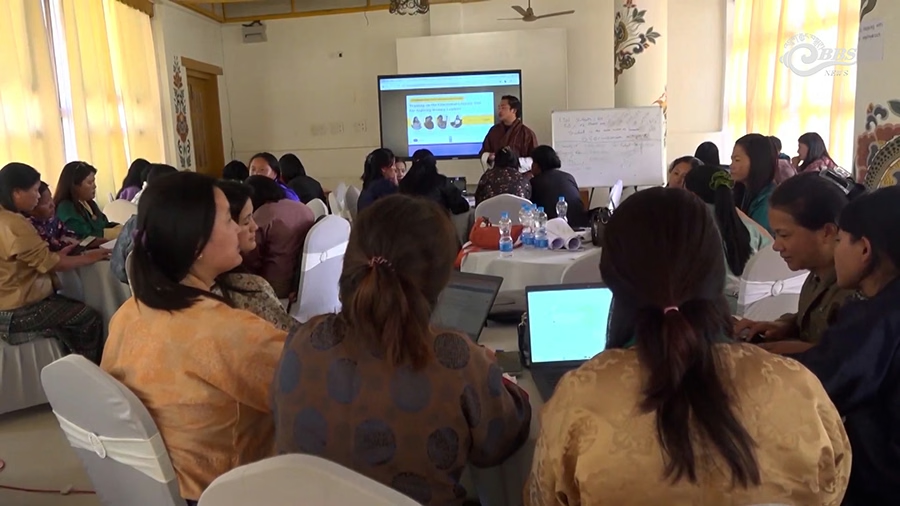
Recognizing these challenges, the Bhutan Centre for Media and Democracy, with support from UNDP Bhutan and the European Union under the "Strengthening People-Centric and Inclusive Access to Justice" project, developed a specialized three-day training program. The initiative aimed to demystify the FLT requirements and build confidence among aspiring women leaders.
The training curriculum covered essential competencies including:
- Written Communication: Essay writing, official letter composition, and formal correspondence
- Document Management: Drafting various types of agreements and administrative documents
- Digital Literacy: Basic computer operations, software applications, and digital tools commonly used in local government administration
- Functional Competency Engagement: Practical skills directly aligned with Election Commission criteria
Real Stories of Transformation and Empowerment 💪
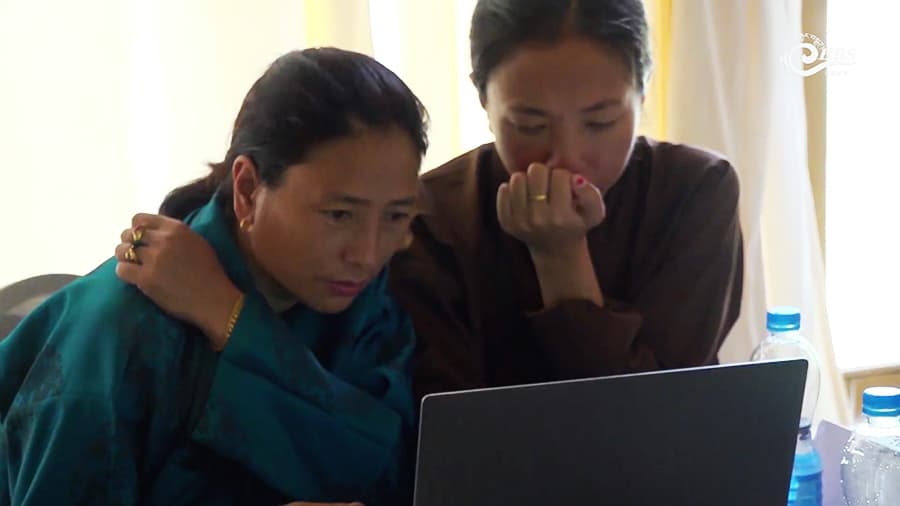
"Earlier, we used to prepare most documents manually, and that was acceptable," explained Thuji Om, a Ruebisa Mangmi from Wangdue Phodrang. "But times have changed dramatically. Writing everything by hand now consumes excessive time. Learning to use laptops and digital tools has become absolutely essential for providing efficient services."
Dawa Zam, an aspiring woman leader from Dagala Gewog in Thimphu, shared her journey of growing confidence: "During this three-day training, I learned how to write essays, official letters, and various types of agreements. My lack of formal training had previously undermined my confidence, but this program has completely transformed my outlook. I now believe I can successfully pass the FLT."
Chencho Lham from Lango Gewog in Paro described her technological breakthrough: "I previously had no computer experience whatsoever. After attending this training, I acquired approximately 50 to 60 percent of basic computer skills. In our villages, when three male candidates aspire to leadership, typically only one female candidate emerges, because women hesitate to take on such responsibilities. But with this support and training, we gained courage and confidence. We now understand that nothing is impossible for women."
Participation Numbers Reveal Ongoing Challenges 📈
While the training represented a significant initiative, attendance figures highlighted persistent obstacles. Of approximately 650 registered aspiring women leaders, only around 120 participated in the three-day program conducted simultaneously in Wangdue Phodrang and Tsirang. Notably, Gasa and Bumthang recorded zero participation.
Absent participants cited time constraints and domestic responsibilities as primary barriers to attendance. This reality underscores a fundamental challenge in women's political participation: the disproportionate burden of household and caregiving responsibilities that limit women's ability to pursue professional development opportunities.
The Broader Context: 2027 Election Landscape 🗳️
According to Election Commission of Bhutan records, nearly 3,700 aspiring candidates have registered to contest in the Fourth Local Government Elections 2027. Of this total, slightly over 650 are aspiring women leaders—representing approximately 17.5 percent of the candidate pool. This ratio starkly illustrates the continued gender imbalance in political ambitions and candidacies.
The relatively low proportion of women candidates reflects not merely a lack of interest but rather systemic barriers including limited access to training, financial constraints, social pressure, and insufficient mentorship networks.
Strategic Importance of Capacity-Building Programs 🌍
Kencho Tshering, Programme Officer with the Bhutan Centre for Media and Democracy, emphasized the program's strategic value: "Our objective is to provide capacity-building specifically tailored for aspiring women leaders. The Election Commission's new notification incorporating digital assessment has understandably created anxiety and uncertainty among many candidates, particularly women leaders. We developed and refined a comprehensive module to build capacities and prepare aspiring women leaders specifically for the Functional Literacy Test."
This targeted approach acknowledges that women leaders face unique challenges in accessing technology training and may require specialized pedagogical approaches that consider their distinct circumstances and learning needs.
International Support and Inclusive Governance Vision 🤝
The training program's financing through UNDP Bhutan and the European Union demonstrates international recognition of gender equality's importance in democratic governance. These partnerships reflect a commitment to strengthening inclusive democratic institutions where women's voices receive equal representation and influence.
Inclusive governance produces measurable benefits including improved policy outcomes, enhanced community trust in institutions, and more comprehensive representation of constituent needs across diverse demographics.
Key Takeaways and Path Forward 🚀
The women leaders training initiative represents a meaningful step toward addressing Bhutan's gender representation gap in local government. However, several critical insights emerge:
- Systemic barriers persist: Low attendance rates demonstrate that training alone cannot overcome structural obstacles like time constraints and domestic responsibilities
- Digital literacy remains essential: The FLT's technology components require targeted interventions to ensure equitable access
- Geographic disparities need attention: Zero participation from certain districts indicates regional accessibility challenges
- Confidence building matters: Participant testimonials reveal that structured training significantly enhances self-assurance and capability
As Bhutan approaches the 2027 Local Government Elections, continued investment in women's political development through comprehensive training, mentorship, and systemic support remains imperative. The nation's commitment to gender equality in governance will ultimately determine whether women's political participation reflects their demographic and electoral presence.
The success of future women leaders depends not merely on individual initiative but on collective commitment to dismantling barriers and creating genuinely inclusive democratic institutions.
You May Also Like
Politics
Bhutan and EU Parliamentarians Unite on Climate Action
September 26, 2026
Politics
Bhutan Launches Four Voter Participation Initiatives for LG Elections
September 16, 2026
Politics
Women in Politics: Breaking Through Barriers Before Election Day
September 15, 2026
Politics
Speaker Election: Constitutional Duty Over Party Loyalty
August 29, 2026