Category:
TourismPunakha Rafting Sites Need Facility Upgrades
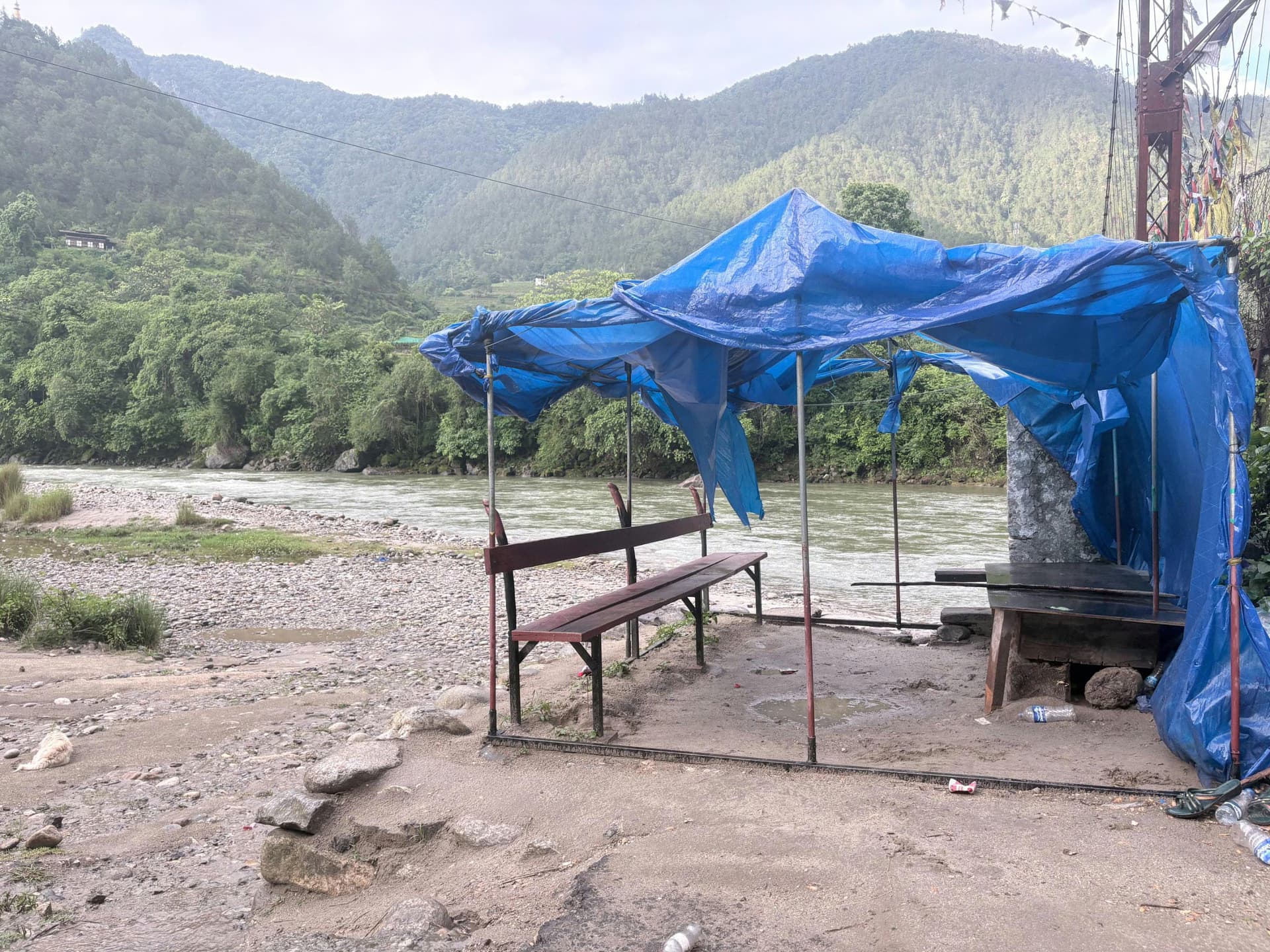
Rafting in Punakha, Bhutan, is an exhilarating experience, offering adventure seekers the thrill of navigating the Mochhu and Phochhu rivers. However, despite the growing popularity of these sites, they lack essential infrastructure like toilets and changing rooms, posing significant challenges for tourists and operators alike.
The Current State of Facilities 🚽
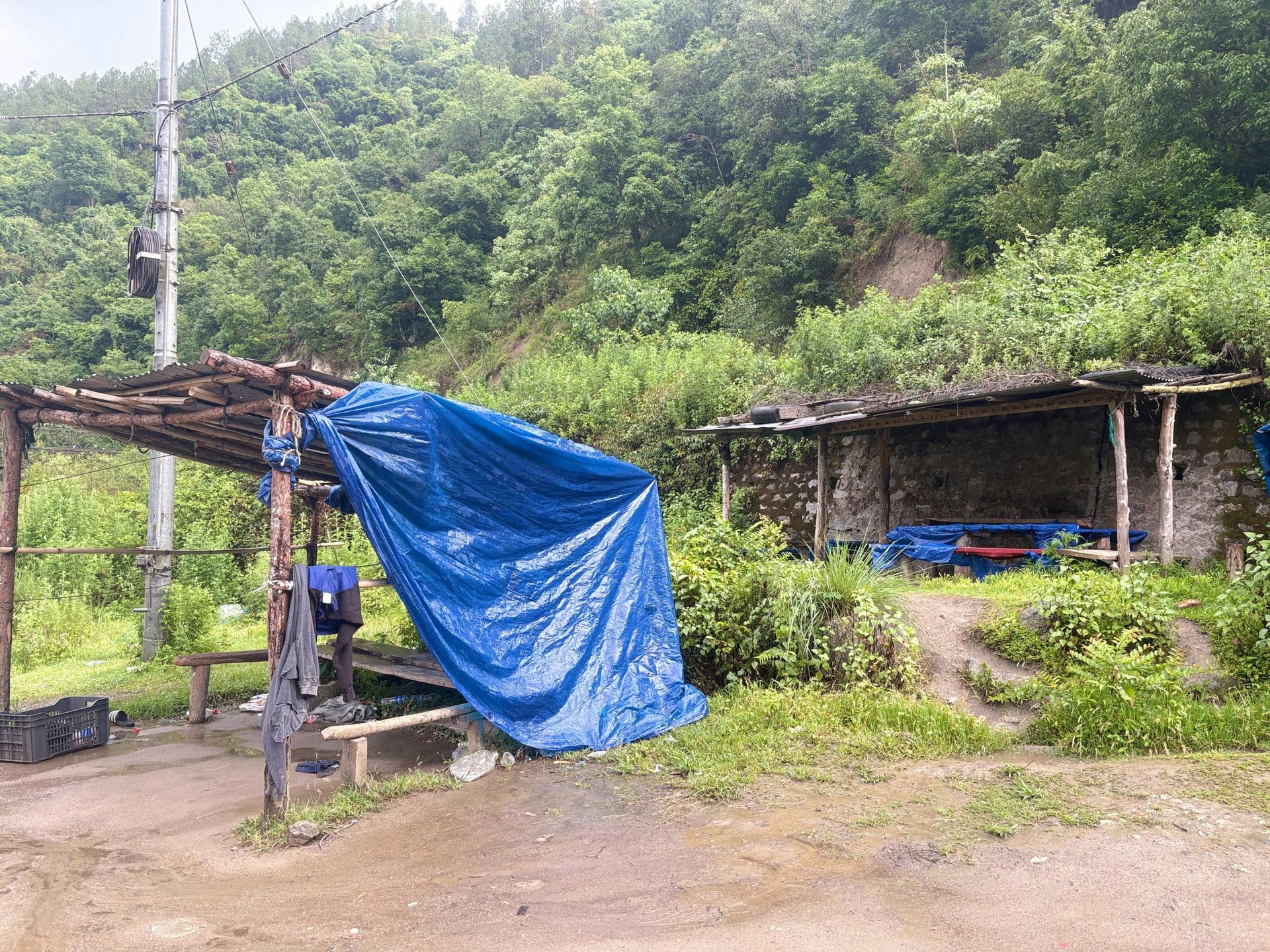
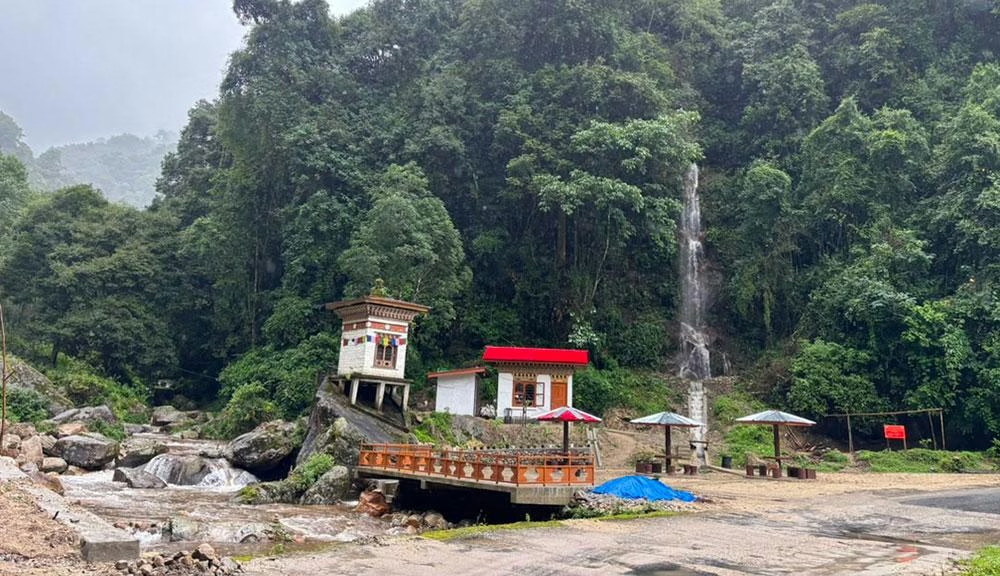
The rafting departure points along the Mochhu and Phochhu rivers are picturesque but under-equipped. Visitors often arrive hours early, yet they find themselves without access to basic amenities. This lack of facilities forces many to resort to changing clothes behind vehicles or makeshift screens, which is far from ideal and raises hygiene concerns.
The Phochhu site begins below the Samdingkha Bridge and ends near Punakha Central School, while the Mochhu site starts at Yebesa, below the Khamsum Yulley Namgyal Chorten, concluding near Changyuel Galem's house. Despite the high footfall, these areas lack designated facilities, except for one site at Changyuel, where a rafting service has built basic amenities alongside a small café.
Stakeholder Perspectives 🗣️
Rafting operators and guides express their frustration over the persistent lack of facilities, emphasizing that this issue has been ongoing for years. Kezang Lhendup, a seasoned operator better known as "Cowboy," highlights that despite a survey conducted by the Punakha Dzongkhag Administration, no significant improvements have been made.
Local residents are also concerned, as some tourists resort to using nearby areas as informal toilets, creating sanitation issues. A proposed solution of installing mobile toilets was denied by the dzongkhag administration, leaving operators and tourists without viable alternatives.
Government and Private Sector Roles 🏛️
The Department of Tourism (DoT) acknowledges the feedback and the need for infrastructure development. According to DoT Director Damcho Rinzin, improving tourism infrastructure is a shared responsibility among the government, local authorities, private operators, and communities. The government provides policy support and public infrastructure, but local governments and private entities play crucial roles in maintaining and enhancing these sites.
Proposed Solutions and Future Plans 🌟
Efforts are underway to assess the carrying capacity and infrastructure needs for both rivers, with a focus on enhancing visitor amenities like toilets. Public-private partnerships are seen as a viable solution, with any development proposals requiring compliance with environmental and tourism regulations.
Kezang Lhendup's company, Explore Rafting, has acquired land near the Mochhu site with plans to build toilets, a café, and resting areas. However, progress has stalled due to pending approvals, despite ongoing lease payments.
Challenges and Opportunities 🛠️
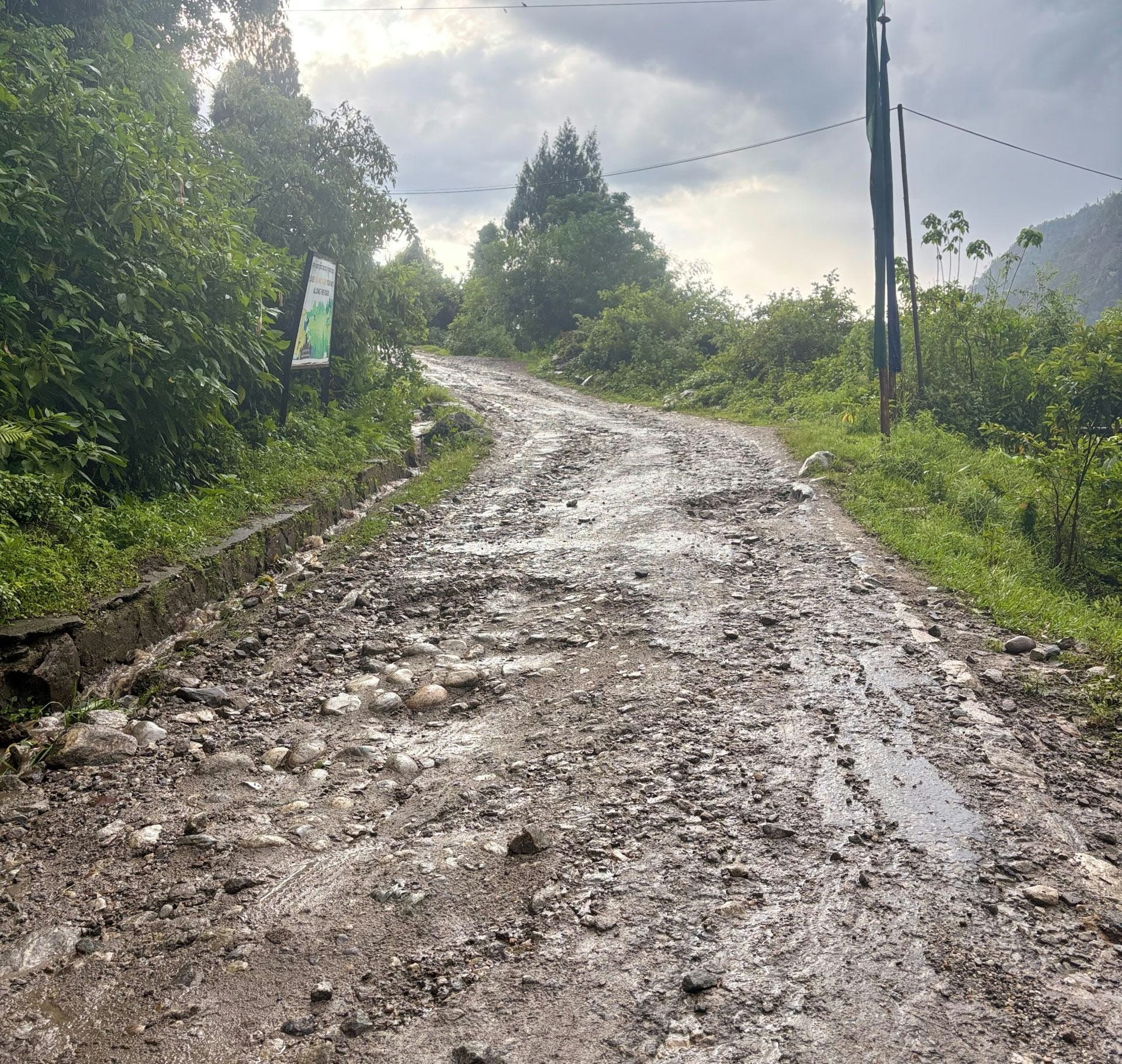
The road leading to the Mochhu site also requires urgent maintenance. Frequent accidents are reported due to large potholes, which become particularly hazardous during the rainy season. Addressing these infrastructure gaps is vital for ensuring safety and improving the overall tourist experience.
The Bhutanese government remains committed to sustainable tourism, ensuring that future projects are guided by environmental standards and visitor safety. The collaboration between government entities and private operators is crucial in overcoming these challenges and enhancing Punakha's appeal as a premier rafting destination.
Conclusion: A Call for Action 🚀
As more than 30 rafting trips take place daily during peak season, the need for basic amenities becomes increasingly urgent. Addressing infrastructure gaps will not only enhance the visitor experience but also uphold Bhutan's reputation as a sustainable tourism leader. Stakeholders must work together to implement sustainable solutions that align with environmental priorities and visitor expectations.
In conclusion, while the rafting experience in Punakha is unparalleled, it is essential to match this natural beauty with facilities that meet modern tourists' needs. By doing so, Bhutan can continue to attract adventure enthusiasts from around the world, ensuring a safe and enjoyable experience for all.
You May Also Like
Tourism
Six Wildlife Sites to Boost Bhutan Tourism Circuit
August 26, 2026
Tourism
Bhutan's Tourism Crisis: Hidden Commissions Threaten Craft Authenticity
August 26, 2026
Tourism
Bumthang Tourism Growth: Local Businesses Push for Better Facilities
August 15, 2026
Tourism
Tsirang's Tourism Transformation: From Highway Pit Stop to Destination
August 15, 2026