Category:
TourismHRAB Calls for Flexibility in Hotel Rules
Navigating the Complexities of Hotel Classification
The hospitality industry in Bhutan is at a crossroads. The Hotel and Restaurant Association of Bhutan (HRAB) is advocating for more clarity and flexibility in the country’s hotel classification system. This call comes amid growing concerns among hoteliers about the practicality and fairness of current policies, which impact everything from staffing to architectural design compliance. 🤔
Challenges in Staffing and Seasonal Tourism
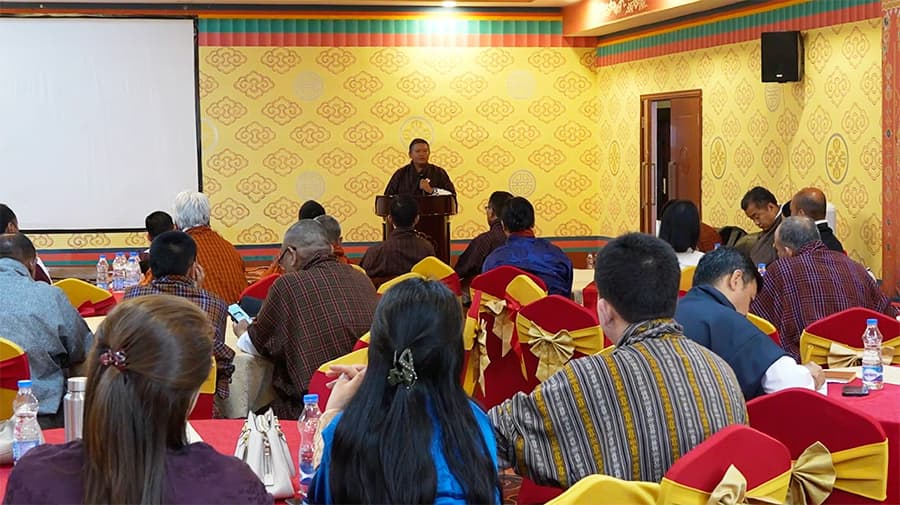
The HRAB's recent Special Annual General Meeting highlighted a pressing issue for many hotel owners: the requirement to maintain a certain number of permanent staff. This mandate proves particularly challenging in areas like Bumthang, where tourism is highly seasonal. The current system requires hotels to employ seven to ten permanent staff per ten rooms, depending on the star rating. However, with tourist arrivals fluctuating throughout the year, many hotels struggle to meet this requirement, especially during the off-season when revenues dip. 🌧️
Architectural and Design Considerations
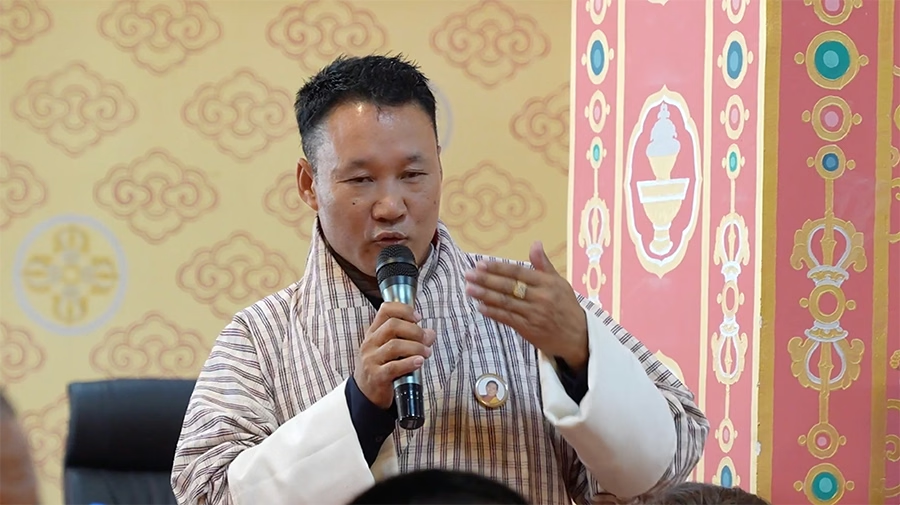
Another concern is the consideration of traditional Bhutanese designs during hotel assessments. Many heritage properties may not fully comply with modern standards due to their unique architectural features. Hoteliers argue that these properties should not be penalized for preserving Bhutan’s rich cultural heritage. They call for assessment criteria that respect and incorporate traditional designs. 🏛️
Inconsistencies in Assessment Criteria
The HRAB has also pointed out inconsistencies in how hotel classifications are assessed. They advocate for standardized criteria across all assessments to ensure fairness and transparency. Currently, individual assessors may interpret standards differently, leading to disparities in hotel ratings. This inconsistency can create confusion and hinder hoteliers' ability to plan and invest in necessary upgrades. 📊
Financial Constraints and the Need for Flexibility
Lily Wangchuk, founder and president of 33 Soksoom Centre for Well-being & Happiness, echoes the financial strain these requirements place on businesses. Many hotels are already under financial pressure, and the need to invest in renovations for compliance only adds to their burdens. Hoteliers are calling for policies that consider the economic realities they face, particularly in a post-pandemic recovery environment. 💸
Opportunities for Improvement
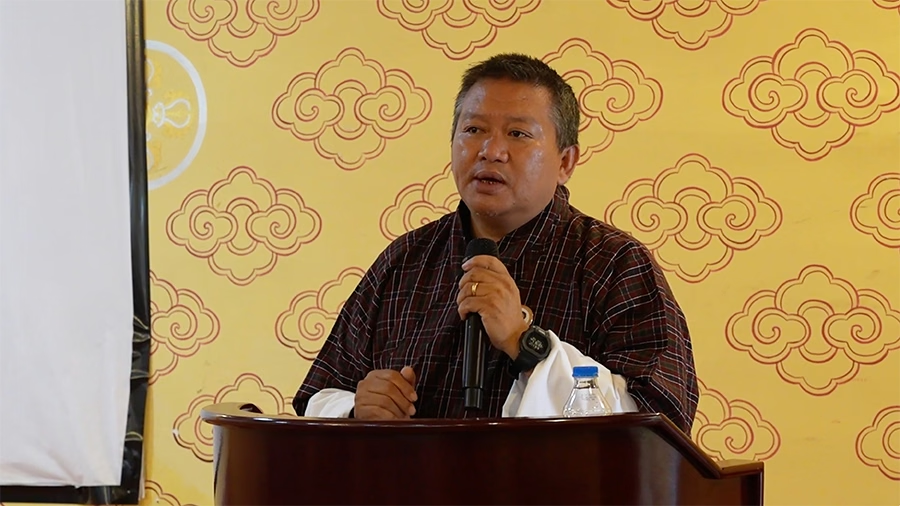
Officials from the Department of Tourism have acknowledged the feedback and are open to addressing some of these challenges post-certification. They plan to establish a feedback mechanism to incorporate hoteliers' input into future revisions. This openness to dialogue is a positive step towards creating a more sustainable and equitable system for all stakeholders involved. 🤝
Conclusion: A Path Forward
The call for clarity and flexibility in Bhutan’s hotel classification rules is not just about easing operational burdens; it's about fostering an environment where the hospitality sector can thrive, respecting both modern standards and cultural heritage. As Bhutan continues to grow as a tourist destination, finding this balance will be crucial for sustainable development. Tourism policies must evolve to meet the needs of businesses while ensuring high standards of service and hospitality are maintained. 🛤️
The dialogue between the HRAB and the Department of Tourism represents a collaborative effort towards a more adaptable and inclusive approach to hotel classification, promising a brighter future for Bhutan’s hospitality industry. 🌟