Category:
TourismTergola: Bhutan's Red Panda Conservation Ecotourism Model

Bhutan's Hidden Gem Transforms Into a Conservation Success Story 🌲
Nestled in the remote mountains of Haa, Tergola is about to revolutionize how the world experiences wildlife tourism. This high-altitude destination, sitting over 3,000 metres above sea level, is emerging as a pioneering model for conservation-led ecotourism in Bhutan. Rather than pursuing aggressive development, stakeholders are taking a measured, nature-first approach that prioritizes the protection of one of Asia's most elusive and enchanting creatures: the Red Panda.
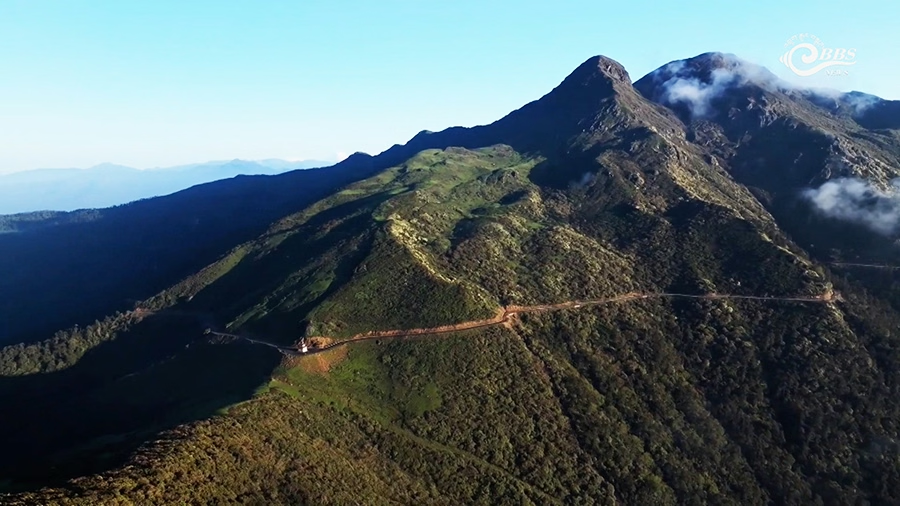
The initiative represents a fundamental shift in how developing nations can balance economic growth with environmental stewardship. By creating sustainable livelihood opportunities for local communities while safeguarding critical wildlife habitat, Tergola demonstrates that conservation and tourism prosperity aren't mutually exclusive—they can be mutually reinforcing.
The Red Panda Population: A Conservation Success Story ✨
Tergola's significance in the Red Panda conservation landscape cannot be overstated. During a comprehensive nationwide survey, researchers documented an astonishing 42 red pandas in the Tergola area—the highest concentration recorded anywhere in Bhutan. This finding alone established the region as one of the country's most ecologically vital territories for the species.
The Red Panda, scientifically known as Ailurus fulgens, is classified as vulnerable on the International Union for Conservation of Nature (IUCN) Red List. These bamboo-loving creatures face mounting pressure from habitat loss, climate change, and poaching across their range spanning the eastern Himalayas. Bhutan's commitment to protecting this species reflects the nation's broader dedication to maintaining biodiversity and ecological integrity.
The alpine forests and abundant bamboo vegetation at Tergola create near-perfect conditions for Red Pandas. The cool climate, dense forest cover, and minimal human disturbance have allowed this population to thrive—a testament to Bhutan's effective conservation policies and protected area management systems.
The 4.4-Kilometre Nature Trail: Responsible Tourism in Action 🥾
At the heart of this initiative lies an elegantly simple concept: a 4.4-kilometre nature trail winding through pristine Red Panda habitat. Scheduled to officially open on International Red Panda Day in September 2025, this trail represents a carefully calculated balance between accessibility and preservation.
Unlike conventional tourism infrastructure that often involves extensive construction, road widening, and facility development, Tergola's approach emphasizes minimal environmental footprint. The trail design incorporates several sustainability principles:
- Guided walks only to control visitor numbers and minimize disturbance
- Strict visitor quotas ensuring the forest isn't overwhelmed by tourism pressure
- Environmental interpretation helping visitors understand Red Panda ecology and conservation challenges
- Responsible waste management protocols preventing pollution in this pristine ecosystem
- Seasonal closures during critical breeding and denning periods

This thoughtful design philosophy stands in stark contrast to mass-tourism destinations worldwide, where visitor influx often degrades the very ecosystems tourists come to experience. Tergola proves that authentic, high-quality ecotourism experiences don't require sprawling resorts or heavy infrastructure.
Strategic Partnerships Driving the Initiative Forward 🤝
The Red Panda Ecotourism Initiative at Tergola represents a collaborative effort among multiple organizations with complementary expertise and resources. The International Climate Initiative (IKI), a bilateral funding mechanism operated by the German Federal Ministry for the Environment, provides crucial financial support. This international backing demonstrates growing recognition of Bhutan's conservation leadership.
WWF Bhutan brings decades of experience in wildlife management, community engagement, and sustainable development. The organization has successfully implemented conservation projects across the Himalayas and understands the complexities of protecting endangered species while supporting local economies.
The Jigme Khesar Strict Nature Reserve (JKSNR), one of Bhutan's largest protected areas, contributes essential on-ground management capacity. This reserve encompasses some of the country's most pristine wilderness and represents a cornerstone of Bhutan's biodiversity protection strategy.
The Living Landscapes programme, supported by IKI, focuses on landscape-level conservation that integrates human communities into ecosystem protection. This approach recognizes that sustainable conservation cannot succeed without addressing the needs and aspirations of people living in and around protected areas.
Community Benefits: Transforming Local Livelihoods 💼
Tergola's transformation from a remote mountain pass into an ecotourism destination promises tangible economic benefits for local communities. The initiative specifically targets small-scale, community-based enterprises rather than large corporate tourism ventures.
Expected livelihood opportunities include:
- Homestay accommodations allowing visitors to experience authentic Himalayan hospitality
- Professional guiding services leveraging local knowledge of forest ecology and Red Panda behavior
- Local product sales including handicrafts, organic foods, and traditional medicines
- Hospitality services such as meal preparation and lodge management
- Environmental education programs led by community members
- Research support roles assisting conservation scientists
By ensuring communities directly benefit from conservation, the initiative builds local support for protecting Red Pandas and their habitat. When people see tangible economic returns from wildlife preservation, they become invested stakeholders in conservation success rather than viewing protected areas as constraints on their livelihoods.
Ecotourism as a Conservation Tool: A Global Trend 🌍
Tergola's approach reflects a broader global shift in conservation strategy. Research consistently demonstrates that well-managed ecotourism can generate funding for protected area management while providing economic incentives for habitat protection. When local communities earn income from living wildlife rather than consumptive use, conservation outcomes typically improve.
Successful ecotourism models worldwide—from Costa Rica's cloud forests to Rwanda's mountain gorilla tourism—show that conservation-led tourism can achieve remarkable results. Tergola has the potential to join this pantheon of conservation success stories while serving as a model specifically adapted to Himalayan contexts.
The initiative also supports Bhutan's unique development philosophy of Gross National Happiness (GNH), which prioritizes environmental conservation, cultural preservation, and community wellbeing alongside economic growth. By integrating these values into tourism development, Tergola exemplifies how nations can pursue prosperity without sacrificing ecological integrity.
Monitoring, Management, and Long-Term Sustainability 📊
The success of Tergola's ecotourism initiative will depend on rigorous monitoring and adaptive management. Jigme Khesar Strict Nature Reserve and WWF Bhutan have committed to ongoing wildlife monitoring to ensure Red Panda populations remain stable or increase under ecotourism pressure.
Key monitoring elements include:
- Population surveys tracking Red Panda numbers and distribution
- Habitat condition assessments monitoring forest health and bamboo availability
- Visitor impact studies measuring ecological effects of tourism activities
- Community feedback mechanisms ensuring local voices shape management decisions
- Trail condition monitoring preventing erosion and vegetation degradation
This science-based approach ensures that if negative impacts emerge, management strategies can be adjusted quickly. Adaptive management—the willingness to modify practices based on monitoring data—distinguishes successful conservation initiatives from those that fail.
From Mountain Pass to Conservation Destination 🏔️
Historically, Tergola was known primarily as a challenging mountain pass connecting Haa town with the remote gewogs (administrative subdivisions) of Gakiling and Sangbay. While the pass remains functional, the area is rapidly gaining recognition for its ecological significance and tourism potential.
This transformation illustrates how strategic conservation initiatives can redefine regional identities and economic trajectories. Communities that were previously peripheral to national development conversations now stand at the forefront of innovative conservation-tourism models. This shift in status brings both opportunities and responsibilities.
What Sets Tergola Apart: Conservation-First Tourism 🎯
Tergola's approach differs fundamentally from conventional tourism development. Rather than designing tourism around visitor convenience and infrastructure development, the initiative designs tourism around conservation requirements. This inversion of priorities—putting ecosystem health first and tourism second—represents a paradigm shift in destination management.
Specific features that distinguish Tergola include:
- No large-scale infrastructure development preserving the pristine character of the landscape
- Visitor number caps ensuring tourism doesn't overwhelm the ecosystem
- Mandatory guided experiences allowing managers to control visitor behavior
- Seasonal restrictions protecting wildlife during vulnerable periods
- Community governance ensuring local people shape tourism policies
- Transparent monitoring making conservation outcomes visible to all stakeholders
Looking Forward: International Red Panda Day Launch 🎊
The official opening of Tergola's nature trail on International Red Panda Day in September 2025 will mark a significant milestone. This timing symbolically links the destination's launch with global Red Panda awareness efforts, positioning Bhutan as a leader in species conservation and responsible tourism.
The launch is expected to attract international conservation organizations, tourism professionals, and media attention. This visibility can help establish Tergola as a flagship model, potentially inspiring similar initiatives across the Himalayas and beyond.
The Broader Implications for Bhutanese Tourism 🇧🇹
Tergola's success could reshape how Bhutan approaches tourism development more broadly. The nation has long pursued a "high value, low impact" tourism strategy, limiting visitor numbers and maintaining high daily tariffs to ensure tourism benefits outweigh environmental costs.
The Red Panda Ecotourism Initiative at Tergola demonstrates how this philosophy can be operationalized at the destination level. By creating exceptional, conservation-focused experiences rather than mass-market tourism products, Bhutan can attract visitors seeking authentic, meaningful engagement with nature and culture.
This positioning appeals to a growing global demographic of conscious travelers who prioritize environmental and social responsibility. These visitors typically spend more, stay longer, and generate better economic returns per capita than mass-tourism segments—precisely the outcome Bhutan's development model seeks to achieve.
Conclusion: A Model Worth Replicating ✨
Tergola's emergence as a conservation-led ecotourism destination represents far more than a local development project. It embodies a scalable model for reconciling wildlife protection with community economic development in biodiversity-rich regions worldwide.
The initiative demonstrates that:
- Conservation and tourism can be complementary when properly designed
- Local communities are essential partners in long-term conservation success
- Science-based monitoring ensures accountability and adaptive management
- Strategic partnerships multiply impact by combining diverse expertise and resources
- Authentic experiences attract premium markets that generate sustainable revenue
As Tergola prepares for its September 2025 launch, the world will be watching. Success here could inspire similar initiatives across the Himalayan region and beyond, proving that responsible ecotourism offers a viable pathway to simultaneous conservation and development goals. For the Red Pandas of Tergola and the communities that share their homeland, this represents an extraordinary opportunity to build a prosperous, sustainable future together.
You May Also Like
Tourism
Six Wildlife Sites to Boost Bhutan Tourism Circuit
August 26, 2026
Tourism
Bhutan's Tourism Crisis: Hidden Commissions Threaten Craft Authenticity
August 26, 2026
Tourism
Bumthang Tourism Growth: Local Businesses Push for Better Facilities
August 15, 2026
Tourism
Tsirang's Tourism Transformation: From Highway Pit Stop to Destination
August 15, 2026