Category:
PoliticsPM Accepts Fiscal Deficit Coordination Failure
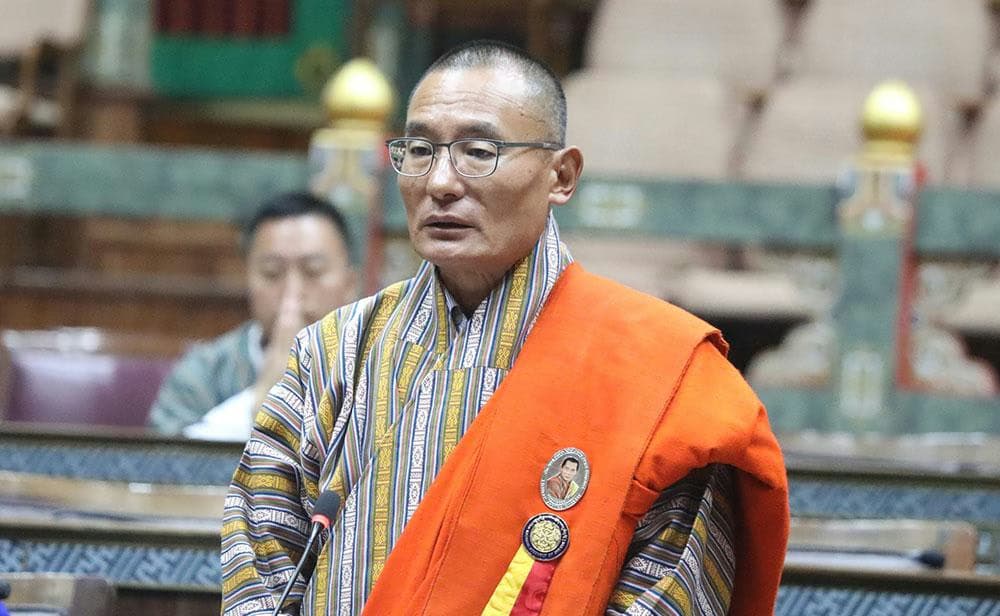
In a recent development, Bhutan's Prime Minister Tshering Tobgay has taken responsibility for a significant communication gap that occurred between the Ministry of Finance and the Economic and Finance Committee (EFC). This admission came after the Ministry failed to attend a crucial discussion concerning the Government’s proposed fiscal deficit, despite explicit instructions from the Speaker of the National Assembly.
Understanding the Fiscal Deficit Debacle 📉
During the National Assembly's deliberations on the Budget Appropriation Bill for the fiscal year 2026–27, a proposal was put forth to endorse a fiscal deficit of 6.54% of the Gross Domestic Product (GDP). This figure was notably higher than the Economic and Finance Committee’s recommendation to cap the deficit at 4%. The discrepancy sparked concern among lawmakers, prompting a debate on fiscal sustainability and economic risk management.
The Prime Minister's Response 🗣️
Acknowledging the oversight, Prime Minister Tshering Tobgay stated, "The failure to discuss the matter as directed by the Speaker is our fault. I apologize and take full responsibility." He pledged to identify the communication loopholes and ensure accountability within his administration. The absence of Ministry officials at the scheduled meeting with the EFC was a pivotal moment that highlighted potential inefficiencies in the government's fiscal coordination.
Implications for Bhutan's Economic Policy 📊
The proposed fiscal deficit of 6.54% has raised eyebrows, especially given Bhutan's small economy. However, Prime Minister Tshering Tobgay defended the figure, explaining that it serves as a planning estimate rather than a definitive prediction. He assured lawmakers that the actual deficit is likely to be around 2.5% by the fiscal year's end, considering past trends and financial projections.
The Committee's review of the Budget Appropriation Bill included 11 recommendations aimed at bolstering fiscal sustainability. These proposals emphasize the importance of regular stress testing of external debt and directing external borrowings towards productive sectors capable of generating long-term economic returns.
Strategic Recommendations for Fiscal Strengthening 🔍
The National Assembly's deliberations also focused on several strategic recommendations:
- Inflation and Rising Living Costs: Proposals to strengthen domestic production, reduce import dependency, and enhance food security were discussed as measures to curb inflation.
- Capital Budget Utilization: Emphasis was placed on stronger monitoring systems and improved deployment of human resources to ensure efficient use of the capital budget.
Future Directions for Policy Makers 🛤️
The Assembly directed the Government to submit review reports during the Winter Session, focusing on fiscal performance and strategic adjustments. Notably, the House endorsed expanding the performance-based grant framework, initially proposed for gewogs, to include dzongkhags and thromdes. This expansion aims to enhance accountability and transparency in budget allocations.
Rural Development Initiatives 🌾
In an effort to bolster rural economic resilience, the Government is set to institutionalize the Rural Life Insurance Scheme, starting January 2027. Beneficiaries will contribute a nominal premium to receive substantial coverage, enhancing financial security for rural populations.
Conclusion: A Path Forward for Fiscal Responsibility 🏔️
As Bhutan navigates its fiscal challenges, the Government's commitment to accountability and transparency will be crucial. The Prime Minister's willingness to accept responsibility marks a step towards improving fiscal coordination and reinforcing confidence among stakeholders. Looking ahead, strategic implementation of the Committee's recommendations will be key to Bhutan's economic stability and growth.
In summary, while the fiscal deficit coordination failure highlights existing challenges, it also offers an opportunity for the Bhutanese Government to refine its fiscal strategies and strengthen its economic resilience.
You May Also Like
Politics
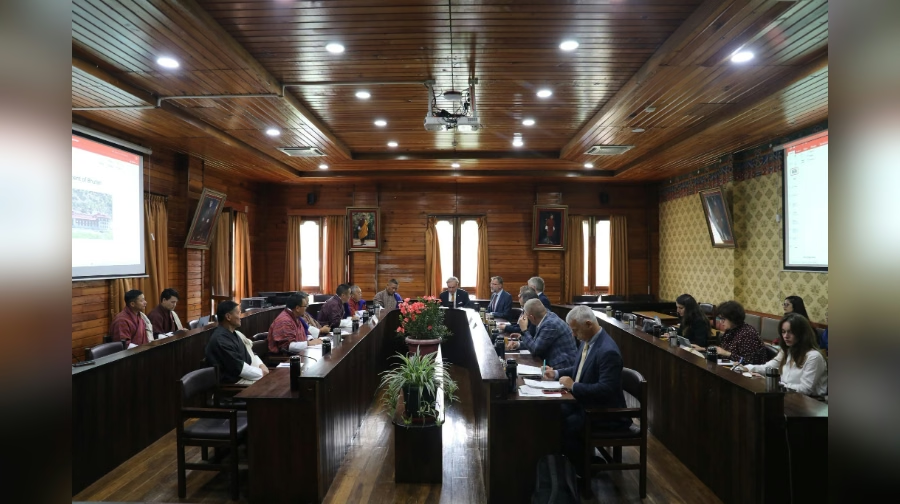
Bhutan and EU Parliamentarians Unite on Climate Action
September 26, 2026
Politics
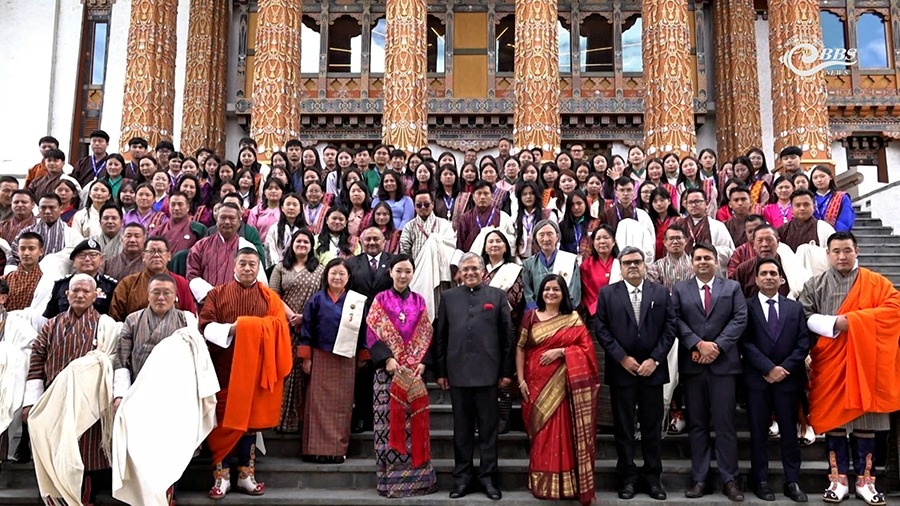
Bhutan Launches Four Voter Participation Initiatives for LG Elections
September 16, 2026
Politics
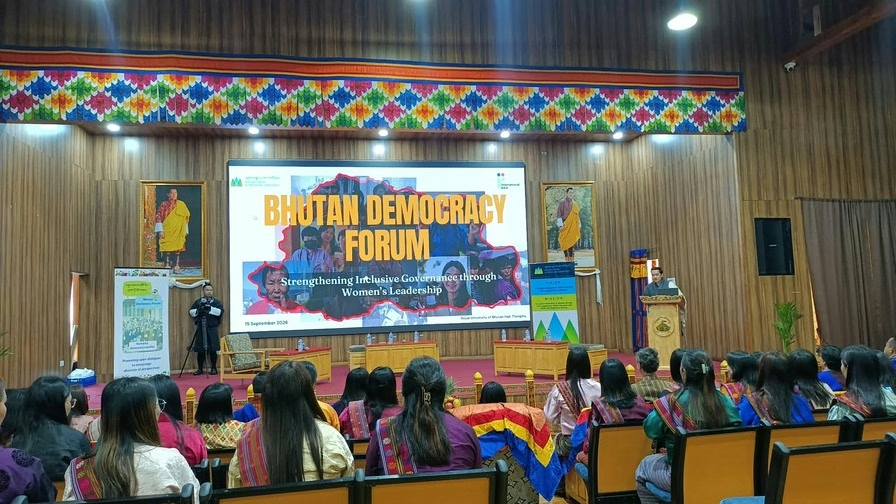
Women in Politics: Breaking Through Barriers Before Election Day
September 15, 2026
Politics
Women Leaders Training: Preparing for 2027 Local Elections
August 31, 2026