Category:
PoliticsThromde Election Turnout Falls to 34%
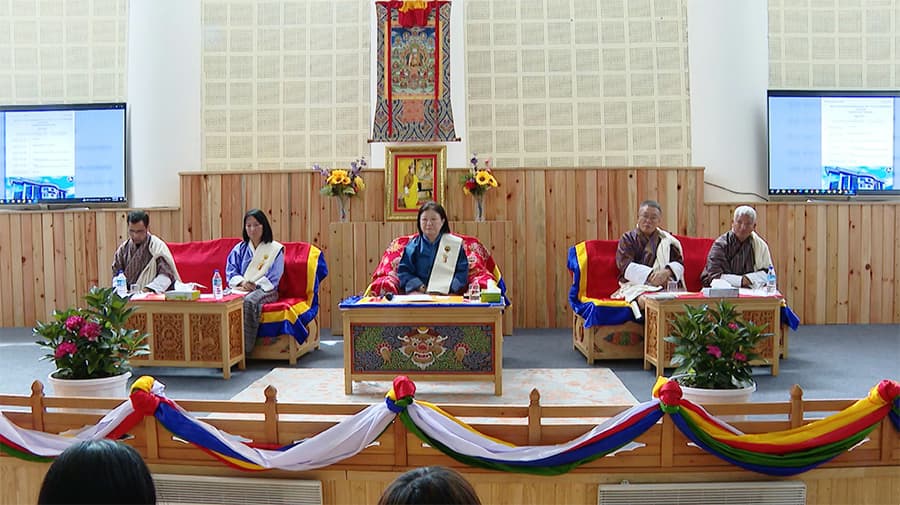
In a surprising twist for Bhutan's local governance, the recent thromde elections witnessed a significant drop in voter turnout, settling at a mere 34%. This marks the lowest participation rate in recent electoral history, raising concerns over civic engagement and public awareness. The Election Commission of Bhutan (ECB) attributes this decline partly to limited public awareness, highlighting the need for enhanced outreach efforts.
Understanding Thromde Elections 🔍
Thromde elections are pivotal in shaping urban development in Bhutan. These local government elections influence decisions that directly affect citizens' daily lives, from urban planning to public services. Despite their importance, voter engagement has been dwindling, as evidenced by the latest turnout figures.
The Numbers Behind the Drop 📉
During this election cycle, only 3,426 out of over 10,000 registered voters in Thimphu and Phuentshogling participated. Women showed a higher turnout, with close to 2,000 casting their votes compared to just over 1,500 men. The age group of 25 to 45 years accounted for the largest voting demographic, with about 1,250 participants.
The current figures contrast sharply with previous elections. In 2021, the turnout was 59.46%, while in 2016, it was 37.25%. This downward trend raises questions about public engagement and the effectiveness of electoral outreach.
The Role of Public Awareness 🗣️
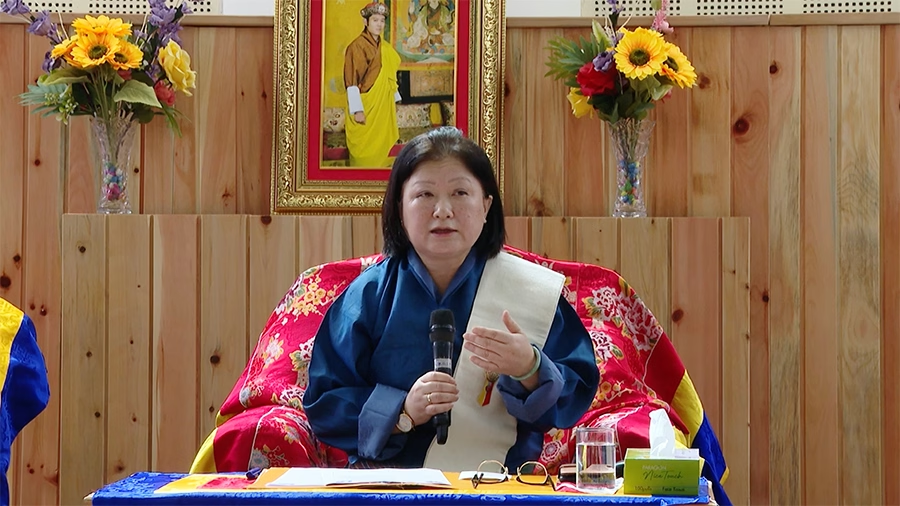
Chief Election Commissioner Deki Pema emphasized the need for increased public awareness. "We are making efforts to encourage more people to come forward and cast their votes," she stated. The media plays a crucial role in this endeavor, tasked with engaging and informing the public well before polling day.
Challenges and Opportunities 🎯
The low voter turnout highlights several challenges:
- Public Apathy: There's a noticeable lack of interest or belief in the impact of local elections.
- Awareness Gaps: Many voters may not fully understand the importance of their participation.
- Logistical Barriers: Physical and logistical challenges might prevent some from voting.
However, these challenges also present opportunities for improvement:
- Enhanced Civic Education: Implementing programs to educate citizens about the significance of their vote.
- Improved Accessibility: Ensuring polling stations are easily accessible and that voting processes are straightforward.
- Engagement Campaigns: Leveraging social media and other platforms to reach a broader audience.
A Call to Action 📣
The Election Commission urges citizens to exercise their right to vote and engage in decisions that shape their communities. Meaningful local governance depends not only on those elected but also on active citizen participation.
Looking Forward 🌟
As Bhutan looks to the future, it is critical to address these challenges head-on. By fostering a culture of civic engagement and awareness, the hope is to reverse the trend of declining voter turnout. This effort requires a concerted approach involving the government, civil society, and the media.
Conclusion 🏁
The recent thromde elections serve as a wake-up call for Bhutan's electoral system and its citizens. While the numbers are concerning, they also highlight the potential for growth and improvement in civic participation. By prioritizing public awareness and education, Bhutan can ensure that its democratic processes remain robust and inclusive.
In the end, the power of democracy lies in the hands of the people, and it's imperative that every eligible voter realizes the significance of their voice and vote.
You May Also Like
Politics
Bhutan and EU Parliamentarians Unite on Climate Action
September 26, 2026
Politics
Bhutan Launches Four Voter Participation Initiatives for LG Elections
September 16, 2026
Politics
Women in Politics: Breaking Through Barriers Before Election Day
September 15, 2026
Politics
Women Leaders Training: Preparing for 2027 Local Elections
August 31, 2026