Category:
PoliticsThimphu's Thrompon: Low Voter Turnout Sparks Debate
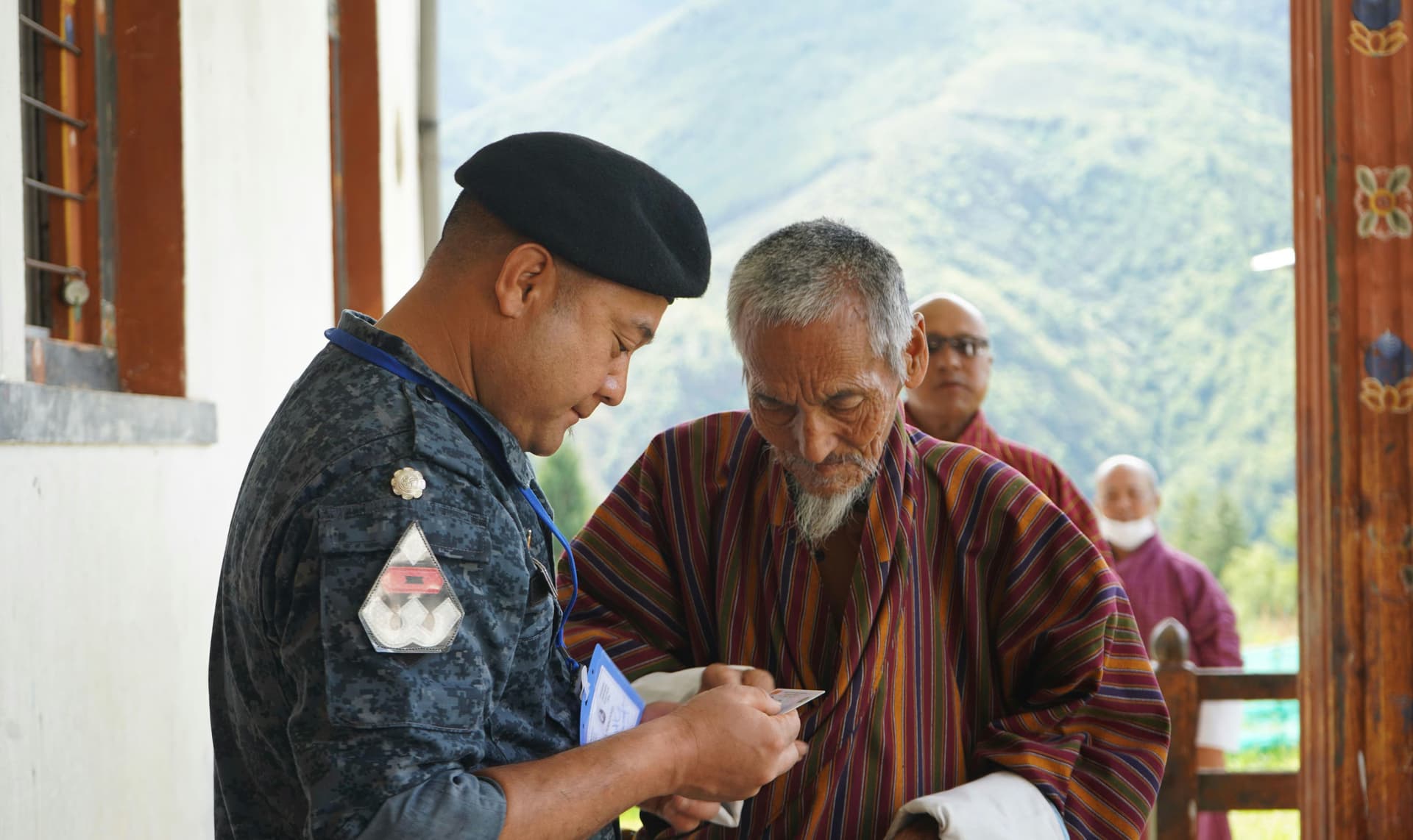
A Surprising Statistic: Just Two Percent Turnout
In a recent election that has stirred political discussions across Bhutan, only 2 percent of Thimphu's estimated population participated in electing the capital's Thrompon. This startling statistic highlights a broader issue of voter engagement and interest in local governance.
Thimphu, Bhutan's bustling capital, boasts a population of approximately 141,000. Yet, only 9,202 residents were registered to vote in the recent Thromde election. Out of these, a mere 2,928 cast their ballots, translating to just 32 percent of registered voters. This figure is roughly equivalent to 2 percent of the total population. 🌐
Exploring the Reasons Behind the Low Turnout
Several factors contribute to this low voter turnout. A significant reason is the structural exclusion of many residents whose census registrations are outside Thimphu, despite living there for years. This situation limits the pool of eligible voters, effectively sidelining those most impacted by local governance.
Moreover, the lack of competitive elections further dampens voter enthusiasm. Some constituencies had only a single candidate, reducing the perceived importance of participating in the electoral process.
Historical Context and Trends 📊
Historically, voter turnout in Thimphu has fluctuated. In 2011, the turnout was 49.31 percent, which decreased to 31.01 percent in 2016. However, 2021 saw a rise to 54.48 percent, attributed to special facilitation measures during the COVID-19 pandemic, such as door-to-door polling services. The decline in 2023 signals a return to pre-pandemic levels of engagement.
Gender and Age Dynamics
Interestingly, women were more active in this election, representing 55.83 percent of the votes cast. The highest participation came from the 25 to 45 age group, while youth engagement (ages 18 to 24) was notably low.
The Role of Civic Education 🎓
The Election Commission of Bhutan (ECB) acknowledges the need for ongoing civic education. Chief Election Commissioner Deki Pema emphasized that civic awareness should extend beyond election periods to foster informed and active citizenry.
Strategies for Future Engagement
To address these challenges, the ECB is planning targeted outreach programs at the gewog level, aiming to increase voter participation. Initiatives like the 'Know Your Candidate' platform, designed to enhance voter access to candidate information, are part of this strategy.
Broader Implications for Bhutanese Politics
This election's outcomes have sparked calls for electoral reforms. Enhancing voter registration processes, increasing candidate accountability, and making voting more accessible are pivotal steps that experts suggest could improve future participation.
Conclusion: Moving Towards a More Engaged Electorate
The recent Thromde election in Thimphu serves as a critical reflection point for Bhutan's democratic processes. While the low turnout reveals challenges, it also presents an opportunity for reform and innovation in civic engagement. As Bhutan looks to the future, fostering a culture of active participation will be key to strengthening its democratic foundations. 🌟
In anticipation of the 2027 Local Government elections, these reforms and educational efforts may pave the way for a more participatory political landscape, ensuring that the voices of Thimphu's residents are heard and valued.
You May Also Like
Politics
Bhutan and EU Parliamentarians Unite on Climate Action
September 26, 2026
Politics
Bhutan Launches Four Voter Participation Initiatives for LG Elections
September 16, 2026
Politics
Women in Politics: Breaking Through Barriers Before Election Day
September 15, 2026
Politics
Women Leaders Training: Preparing for 2027 Local Elections
August 31, 2026