Category:
PoliticsPhuentsholing Elects Ghallay Amid Low Voter Turnout
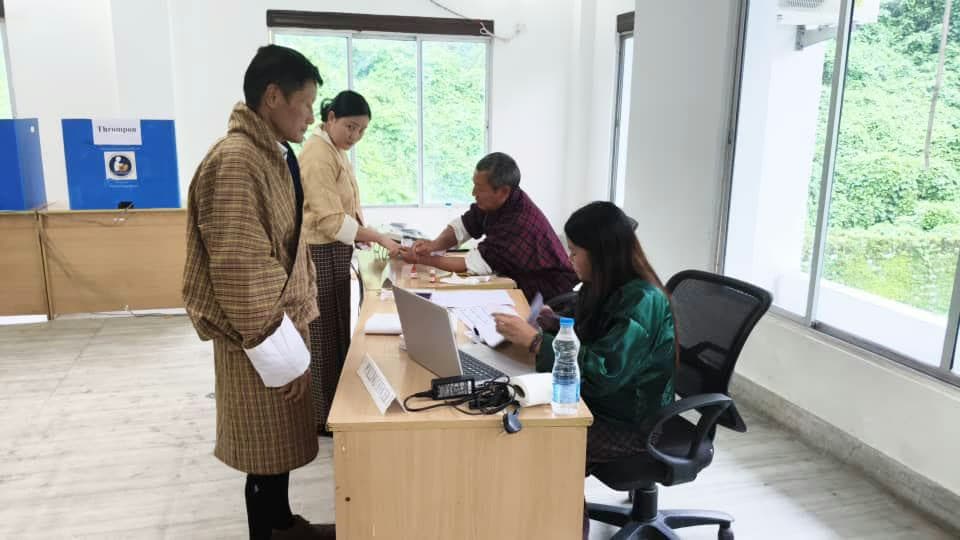
In a significant political event for Phuentsholing, Deepen Ghallay emerged victorious in the recent Thrompon election. However, the victory was underscored by a startlingly low voter turnout, with only half of the eligible electorate participating. Let's delve deeper into the factors influencing this election outcome and what it means for the future of political engagement in Bhutan. 🎬
A Familiar Contest with New Dynamics
The Thrompon election featured a rematch between Deepen Ghallay and Tashi Wangchuk, two well-known figures in Phuentsholing's political landscape. Both candidates had contested in previous elections, making them familiar to the electorate. Despite this familiarity, the election saw a decisive victory for Ghallay, who received 348 votes against Wangchuk's 201. This result was largely shaped by personal networks and existing voter bases rather than the candidates' manifestos.
Factors Behind Low Voter Engagement
Limited Candidate Choices
The election provided limited choices, with only two candidates running for Thrompon. This lack of diversity in options may have contributed to voter apathy. Voter turnout is typically higher when there is a broader range of candidates, as it provides voters with more opportunities to align their preferences with the options available.
Campaign Restrictions
Restrictions on traditional campaigning methods, such as door-to-door visits, also played a role in the low turnout. Candidates were primarily limited to common forums, which some residents felt did not adequately connect them with the candidates. The inability to conduct more personalized campaign activities may have discouraged voter participation.
The Broader Implications for Bhutanese Politics
Political Engagement and Awareness
The election turnout highlights a broader issue of political engagement and awareness within Bhutan. Despite being one of the largest urban centers, Phuentsholing's voter participation was notably low, raising questions about the effectiveness of current voter outreach and education strategies. 🌟
The Role of Local Issues
Local issues such as infrastructure development and public services continue to be at the forefront of political discussions. In their manifestos, both candidates addressed the ongoing drinking water shortage in Phuentsholing, underscoring the importance of addressing local needs to increase voter engagement in future elections.
Conclusion: Looking Forward
As Bhutan moves forward, it is crucial to address the factors contributing to low voter turnout to enhance democratic participation. This includes broadening candidate options, improving campaign outreach, and increasing public awareness about the importance of voting. By addressing these challenges, Bhutan can foster a more engaged and informed electorate, ultimately strengthening its democratic processes. 🔥
The recent election serves as a reminder of the importance of active political participation and the need for continuous improvement in electoral processes. As the new Thrompon, Deepen Ghallay's role will be pivotal in tackling local issues and fostering a more inclusive political environment. 💫
You May Also Like
Politics
Bhutan and EU Parliamentarians Unite on Climate Action
September 26, 2026
Politics
Bhutan Launches Four Voter Participation Initiatives for LG Elections
September 16, 2026
Politics
Women in Politics: Breaking Through Barriers Before Election Day
September 15, 2026
Politics
Women Leaders Training: Preparing for 2027 Local Elections
August 31, 2026