Category:
EducationPGDE Teachers Assigned to Primary Schools: A New Approach
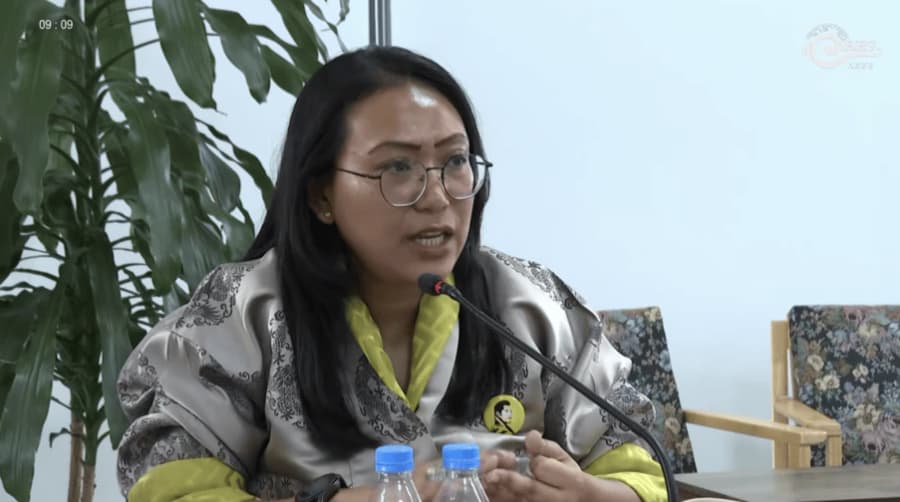
In response to the growing teacher shortages, a strategic shift in teacher deployment is being considered in Bhutan. The Education and Skills Development Ministry, led by Minister Yeezang De Thapa, is exploring the possibility of assigning Postgraduate Diploma in Education (PGDE) teachers to primary schools. This move aims to ensure that educational disruptions are minimized, especially in rural areas where teacher shortages are more pronounced.
Understanding the Deployment Strategy 🏫
The Royal Civil Service Commission (RCSC) oversees teacher placements, based on the Education Ministry's submissions of required teacher numbers. Traditionally, PGDE graduates are assigned to secondary schools; however, due to the current situation, some may find themselves in primary settings. This decision is not arbitrary but rather a calculated response to the imbalance in teacher distribution across districts.
Why the Shift? 🤔
Several factors contribute to this potential reassignment:
- Teacher Shortages: There’s an evident shortage in primary school teachers, particularly in rural areas.
- Excess in Dzongkha Teachers: Some districts have a surplus of Dzongkha teachers, prompting a redistribution to meet the demand.
- Merit-Based Placements: The RCSC places teachers based on merit and preferences, yet available vacancies ultimately dictate assignments.
Professional Development and Support 📚
Minister Thapa reassures that PGDE teachers, although trained for secondary education, are equipped to handle primary school curricula. Basic subjects like mathematics can be effectively taught by these graduates. Should they encounter challenges, professional development training is offered to bolster their skills.
Teacher Flexibility and Adaptability 🌟
- Cross-Level Training: Both B.Ed. and PGDE graduates are trained to teach Dzongkha across various school levels.
- District-Specific Reassignment: Districts retain the authority to reassign teachers to maintain balanced staffing.
Broader Implications and Trends 📈
This adjustment mirrors global trends where flexibility in teacher roles is becoming increasingly necessary. Countries facing similar shortages have adopted models where teachers are multi-disciplinary and adaptable to different educational levels.
The Global Context 🌍
- UNESCO's Education 2030 Framework: Emphasizes the importance of teacher distribution and adaptation to meet diverse educational needs worldwide.
- Digital Learning Initiatives: As technology becomes integrated into classrooms, teacher roles continue to evolve, requiring adaptability to various teaching environments.
Looking Forward 🔭
The Education Ministry will continue to monitor the situation, ensuring that any deployment decisions support the overarching goal of uninterrupted education for all students. Minister Thapa emphasizes that only formal written complaints will prompt an investigation into placement issues, maintaining a focus on systematic and fair distribution.
Key Takeaways ✅
- PGDE teachers may be assigned to primary schools to address shortages.
- Professional development is available to support teachers in new roles.
- Teacher placements are merit-based but influenced by vacancy needs.
This strategic shift not only addresses immediate shortages but also reflects a broader trend towards dynamic and responsive educational systems. As Bhutan navigates these challenges, the commitment to quality education remains a priority.
You May Also Like
Education
Local Produce Connects Gongthung Farms and School
September 21, 2026
Education
Two Students Transform Library System Into Digital Solution
September 16, 2026
Education
Strengthening School Support for Students Unable to Afford Tuition
September 13, 2026
Education
Student Citizen Journalism: Breaking Silence on Bullying
September 12, 2026