Category:
EducationEducation Ministry Clarifies Bullying Investigation Stance
Understanding the Ministry's Position on School Bullying Cases 🎓
The landscape of school discipline in Bhutan has become increasingly complex as educational authorities navigate the intersection between internal disciplinary procedures and criminal law. When serious incidents of student misconduct occur—such as the high-profile bullying case that captured national attention—questions naturally arise about how different government bodies coordinate their responses and communicate with the public.
Recently, the Ministry of Education and Skills Development took steps to clarify its earlier statements regarding a significant bullying incident, providing important context about the distinction between school-level discipline and criminal investigations. This clarification addresses public concerns about apparent inconsistencies in how the incident was initially characterized and demonstrates the nuanced approach required when handling sensitive matters involving young people.
The Distinction Between School Discipline and Criminal Law ⚖️
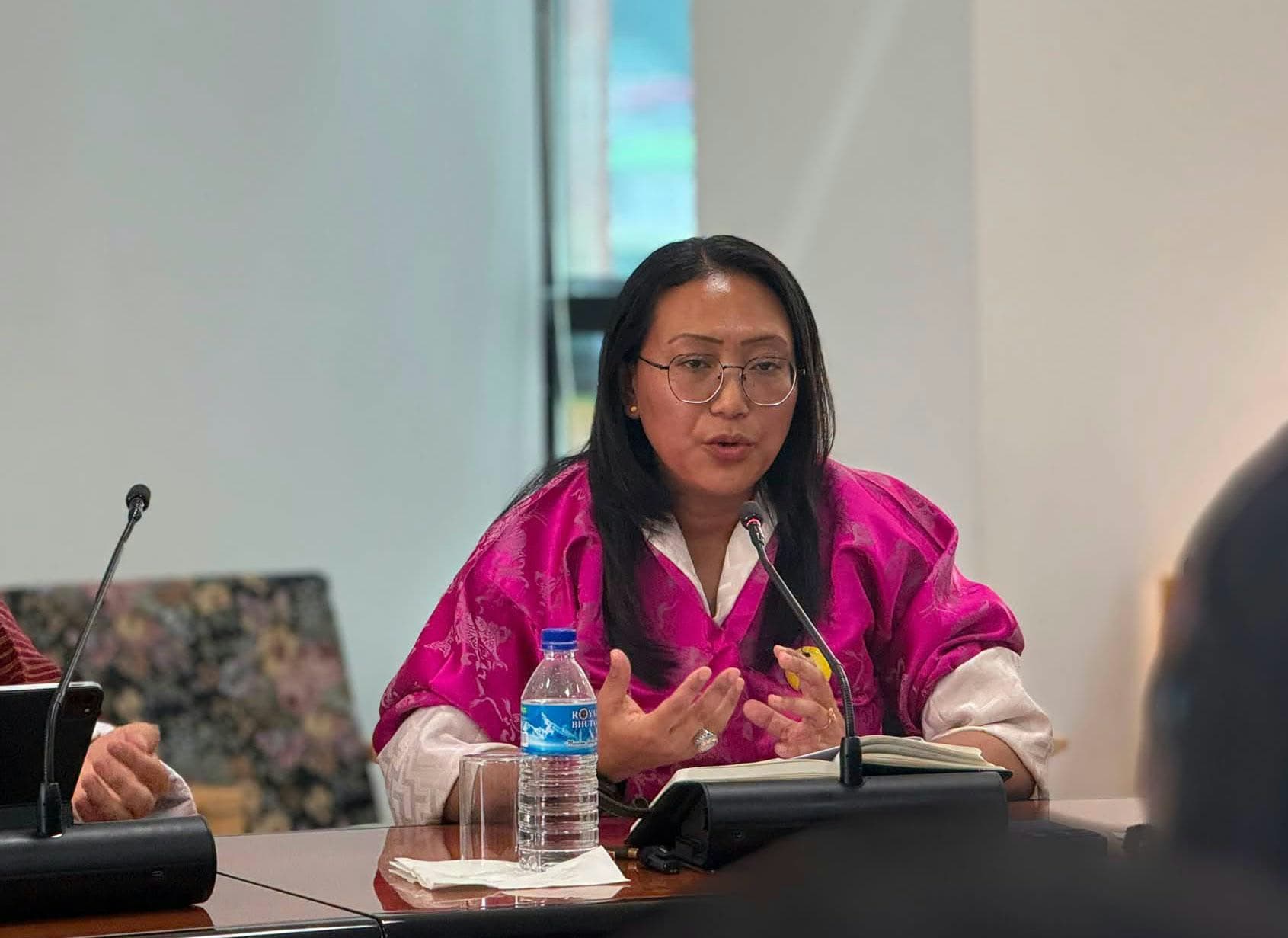
Education Minister Yeezang Dee Thapa emphasized a crucial distinction that often confuses the public: the ministry's authority is limited to evaluating whether student behavior violates school discipline guidelines, while determinations about criminal conduct rest exclusively with law enforcement and the judiciary.
This separation of powers is fundamental to Bhutan's governance structure. When the ministry previously stated that the bullying incident was "not criminal," this assessment was based on:
- Internal school disciplinary frameworks applicable to student misconduct
- Preliminary information available at the time of the initial statement
- Standard child protection mechanisms designed to support student welfare
- Administrative protocols distinct from criminal law procedures
The minister clarified that this position reflected the ministry's limited jurisdiction—not a definitive legal judgment. Such distinctions are vital because they prevent educational authorities from overstepping into legal determinations that belong to the Royal Bhutan Police and the courts.
Context: The Lungtenzampa Middle Secondary School Incident 📱
The case gained prominence in June when videos depicting student altercations circulated widely across social media platforms. This incident represents a broader concern about school violence and cyberbullying in Bhutan's educational system, issues that have become increasingly visible as digital connectivity expands throughout the kingdom.
The rapid spread of videos through social media highlighted how modern technology amplifies school incidents that might have previously remained localized. This phenomenon has placed greater pressure on educational institutions and government agencies to respond swiftly and transparently while protecting student privacy and ensuring fair treatment.
Following the circulation of these videos:
- Police launched formal investigations into the incident
- Students involved faced suspensions pending disciplinary review
- The ministry initiated its internal assessment process
- Public discourse emerged questioning the handling and characterization of events
Clarifying Administrative vs. Criminal Processes 🔍
Minister Thapa emphasized that no contradiction exists between the ministry's administrative stance and ongoing criminal investigations. These represent two parallel but independent processes that operate according to different legal frameworks and timelines.
Administrative disciplinary proceedings focus on whether students violated school policies and what educational consequences are appropriate. Criminal investigations, conversely, examine whether actions constitute offenses under Bhutanese law. A behavior might violate school rules without meeting the legal threshold for criminal conduct—and conversely, serious criminal acts require appropriate law enforcement response.
At the time the ministry made its initial public statement, no formal criminal charges had been confirmed. The matter was being processed through:
- Standard child protection mechanisms established to safeguard minors
- School discipline codes designed for the educational context
- Preliminary assessments pending fuller investigation
This timeline is important for understanding why the ministry's characterization at that moment differed from potential future legal determinations.
The Ministry's Disciplinary Response Framework 🛡️
Rather than pursuing expulsion—which would deny students their fundamental right to education—the ministry implemented a structured approach emphasizing rehabilitation and continued learning. This reflects Bhutan's commitment to child welfare principles and recognizes that young people deserve opportunities for growth even when they make serious mistakes.
The disciplinary measures include:
- School transfers to provide students with fresh educational environments
- Community service requirements to foster accountability and social responsibility
- Specialized resilience programs designed to build emotional and behavioral skills
- Continued educational access ensuring students remain within the school system
This approach aligns with contemporary educational philosophy emphasizing restorative justice over purely punitive measures. Research increasingly shows that exclusionary discipline—such as expulsion or long-term suspension—often exacerbates behavioral problems rather than resolving underlying issues.
Comprehensive Support Systems for All Involved 💪
The ministry reaffirmed its unwavering commitment to the welfare of all students affected by such incidents. This comprehensive support encompasses:
- Educational continuity ensuring students can pursue their studies
- Counseling services addressing emotional and psychological impacts
- Psychosocial support helping students process trauma and develop healthy coping mechanisms
- Parental coordination keeping families engaged in the support process
- Inter-agency collaboration leveraging resources from schools, health services, and community organizations
This holistic approach recognizes that bullying incidents affect multiple stakeholders—the students directly involved, witnesses, families, and school communities. Effective response requires addressing the needs of all these groups.
The Zero-Tolerance Policy and Its Evolution 🚫
The ministry reaffirmed its zero-tolerance stance on school violence, signaling that such behavior will not be overlooked or minimized. However, zero-tolerance doesn't mean zero-compassion; rather, it means consistent accountability paired with genuine support for improvement.
To strengthen this commitment, the ministry is developing a comprehensive Student Behavior Policy 2026 designed to modernize how schools respond to bullying and serious misconduct across Bhutan. This policy represents an evolution in the education system's approach to student discipline and safety.
The Upcoming Student Behavior Policy 2026 📋
The new policy framework aims to address several critical gaps in current procedures:
- Clearer procedures for identifying, reporting, and responding to serious misconduct
- Enhanced school authority to implement consistent disciplinary measures
- Strengthened preventative measures addressing bullying before it escalates
- Improved inter-agency coordination between schools, police, and social services
- Student welfare protections ensuring fair treatment and support throughout processes
Stakeholder consultations—involving educators, parents, students, civil society organizations, and government agencies—are expected to begin shortly. This inclusive approach ensures the policy reflects diverse perspectives and addresses real concerns from those working within schools daily.
The timing of this policy development reflects growing recognition that Bhutan's education system requires updated frameworks addressing contemporary challenges, including cyberbullying, social media amplification of incidents, and the complex intersection of school discipline with criminal justice.
National Context: Bullying as a Growing Concern 📊
Bhutan, like many nations experiencing rapid technological development, faces emerging challenges around school violence and bullying. The kingdom's strong cultural emphasis on values like compassion and respect makes incidents of student aggression particularly noteworthy and concerning to communities.
The visibility of this case through social media reflects broader global trends where school incidents gain rapid public attention and scrutiny. This transparency, while sometimes challenging for institutions to navigate, ultimately serves important accountability functions.
Moving Forward: Clarity and Accountability 🌟
The ministry's clarification represents an important step toward public confidence in how educational authorities handle serious incidents. By explaining the distinction between administrative and criminal processes, officials help citizens understand that apparent contradictions often reflect different institutional roles rather than inconsistent positions.
As investigations continue under the jurisdiction of law enforcement and judicial authorities, the ministry's focus remains on supporting affected students, implementing disciplinary measures emphasizing rehabilitation, and developing improved policies for the future. This multi-faceted approach acknowledges both the seriousness of school violence and the potential for young people to learn from mistakes and grow.
The Lungtenzampa case, while challenging, has catalyzed important conversations about how Bhutan's education system can better prevent and respond to bullying. Through transparent communication, coordinated action across agencies, and commitment to student welfare, the nation's educational leaders are working to ensure schools remain safe, supportive environments where all students can thrive.
You May Also Like

Education
Local Produce Connects Gongthung Farms and School
September 21, 2026

Education
Two Students Transform Library System Into Digital Solution
September 16, 2026

Education
Strengthening School Support for Students Unable to Afford Tuition
September 13, 2026
Education
Student Citizen Journalism: Breaking Silence on Bullying
September 12, 2026