Category:
EducationCaregiver Support Programs Transform Parenting & Emotional Wellbeing
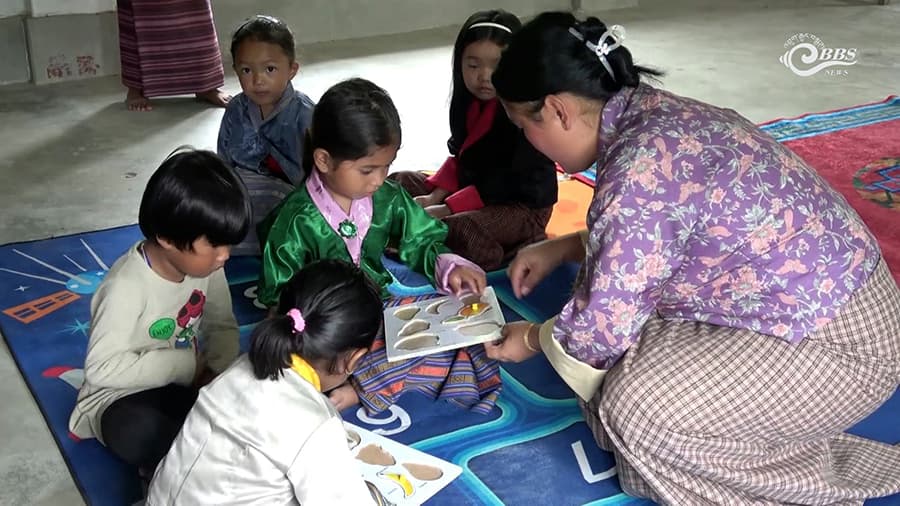
Building Stronger Families Through Caregiver Support 💪
Parenting is one of life's most rewarding yet challenging responsibilities. Yet many caregivers face emotional struggles that directly impact their ability to nurture their children effectively. A groundbreaking initiative demonstrates how targeted caregiver support programmes can fundamentally transform family dynamics, strengthen emotional wellbeing, and equip parents with essential skills to raise resilient, confident children.
The intersection of caregiver mental health and child development has long been recognized by child development experts. When caregivers struggle emotionally, their capacity to provide consistent, responsive care diminishes—affecting everything from a child's attachment security to their social development. This reality prompted educators and international organizations to develop comprehensive programmes specifically designed to address the often-overlooked wellbeing of those who care for our youngest learners.
The Evolution of Caregiver-Focused Interventions 🌱
Traditional parenting education typically focuses on teaching techniques and strategies for child management. However, a more holistic approach recognizes that parents cannot pour from empty cups. Over the past five years, specialized parenting skills development initiatives have shifted focus to simultaneously strengthen both caregiver emotional resilience and parenting competence.
In 2021, a significant milestone was reached when over 75 early childhood care and development (ECCD) facilitators and district education officers received comprehensive training to support caregivers in three distinct regions. This training equipped professionals with evidence-based techniques to help parents manage stress, build confidence, and cultivate healthier relationships with their children.
The scope of this initiative expanded considerably. What began as a pilot programme now serves more than 500 children and caregivers across multiple districts, delivered through 432 community-based ECCD centres. The programme complements existing national frameworks while maintaining its unique focus on caregiver wellbeing rather than clinical intervention.
Understanding the Science Behind Caregiver Wellbeing 🧠
Research consistently demonstrates that a child's earliest relationships shape their neurological development and emotional capacity. Mental health professionals emphasize that secure attachment—the bond between caregiver and child—forms the foundation for all future learning and social relationships.
When caregivers experience depression, anxiety, or chronic stress, this directly compromises their ability to provide the responsive, attuned care that children need. A child whose caregiver struggles with untreated mental health challenges may develop insecure attachment patterns, limiting their capacity to build resilience and navigate challenges independently.
This understanding prompted the development of programmes that address caregiver emotional distress not as a clinical mental health treatment, but as a preventive intervention. By reducing psychological stress and social isolation among caregivers, these programmes create a protective buffer that benefits entire families.
Transformative Results: What Caregivers Experience ✨
The impact of structured caregiver support programmes reveals itself in concrete, observable changes within families and communities. Facilitators report significant shifts in how parents understand and manage their own emotions—a foundational skill that previously went unaddressed in many parenting contexts.
Parents describe newfound clarity about their emotional experiences. Before participating in support programmes, many caregivers struggled to identify or articulate their feelings. Through guided reflection and peer support, they developed emotional literacy—the ability to recognize, name, and process their internal states. This self-awareness translates directly into improved parenting responses and more patient, intentional interactions with children.
Children benefit measurably from having emotionally healthier caregivers. Facilitators document improvements in:
- Social interaction skills 👥 Enhanced peer relationships and collaborative play
- Communication development 💬 Increased verbal expression and listening abilities
- Daily living skills 🍽️ Greater independence in eating, self-care, and routine activities
- Emotional regulation 😌 Better ability to manage frustration and transitions
- Cognitive engagement 🎓 Improved focus and learning readiness
The Power of Home-Based Support Systems 🏠
One critical element distinguishing effective caregiver support programmes from traditional models is the inclusion of home visits. While centre-based programmes provide valuable group learning experiences, home visits address practical barriers and deliver support within the context where parenting actually happens.
For many caregivers, particularly those in rural or remote areas, accessing centre-based services presents logistical challenges. Transportation difficulties, competing household responsibilities, and time constraints can prevent participation in even the most beneficial programmes. Home-based facilitators bring expertise directly to families, meeting them where they are.
During home visits, facilitators don't simply deliver information—they model responsive interactions, observe family dynamics, provide personalized guidance, and offer emotional support. Caregivers report that lessons learned during facilitator visits extend far beyond those specific moments, becoming integrated into daily routines and informal interactions throughout the day.
Parents describe carrying the principles forward while cooking, completing chores, and engaging in everyday moments with their children. This integration into authentic family life creates sustainable change rather than isolated learning experiences.
Measuring Success: Evidence of Emotional Wellbeing Improvements 📊
Evaluation data from pilot caregiver support programmes demonstrates measurable improvements in caregiver mental health outcomes:
- Reduced depression symptoms among participating caregivers
- Decreased anxiety levels and worry-related distress
- Enhanced self-esteem and confidence in parenting abilities
- Improved social support networks and reduced isolation
- Greater emotional resilience when facing challenges
These quantifiable improvements represent far more than statistical gains. They reflect transformed lives—caregivers who feel genuinely heard, understood, and supported; parents who approach their children with renewed patience and presence; families experiencing stronger relational bonds.
Caregivers consistently emphasize the value of being truly listened to. In a world that often demands caregivers remain strong and capable, the opportunity to share struggles and receive compassionate attention creates profound shifts in perspective. Parents report feeling less alone, more understood, and better equipped to view challenges from broader, more hopeful perspectives.
Complementary Approaches: Integrating Multiple Support Systems 🤝
Effective parenting skills development doesn't exist in isolation. The most successful initiatives integrate multiple complementary approaches. National parenting education programmes provide practical knowledge and concrete strategies for supporting child development across domains—cognitive, social-emotional, physical, and linguistic.
Meanwhile, caregiver-focused support programmes address the emotional and psychological foundations that enable parents to implement these strategies consistently and compassionately. Together, these approaches create comprehensive support ecosystems.
Since 2019, national parenting education initiatives have reached nearly 9,000 children through community-based ECCD centres. This broad reach demonstrates significant investment in early childhood development infrastructure. Adding specialized caregiver support programmes to this existing framework enhances overall effectiveness without duplicating efforts.
Breaking Barriers to Access and Participation 🚀
Successful programmes recognize and address systemic barriers to caregiver participation. Transportation challenges, time constraints, childcare during learning sessions, and cultural considerations all influence whether caregivers can meaningfully engage with support services.
Innovative delivery models—including home visits, flexible scheduling, group sessions, and digital options where feasible—expand access beyond traditional centre-based approaches. When programmes demonstrate genuine respect for caregivers' circumstances and constraints, participation increases substantially.
Community-based ECCD facilitators serve as crucial bridges between formal services and family contexts. These locally-embedded professionals understand community dynamics, speak relevant languages, and possess cultural competency that builds trust and encourages engagement.
Long-Term Implications for Child Development 🌟
The early childhood period represents a critical window for development. Children who experience secure attachment, responsive caregiving, and emotionally healthy parents demonstrate advantages across multiple life domains. They develop stronger social skills, greater academic readiness, better emotional regulation, and enhanced resilience.
Conversely, children whose caregivers experience untreated mental health challenges face increased risk for developmental delays, behavioral difficulties, and long-term psychological challenges. Investing in caregiver support programmes during these formative years yields benefits that extend across the lifespan.
From a public health perspective, prevention-focused interventions prove far more cost-effective than treating problems after they develop. Supporting caregivers emotionally during early childhood represents strategic investment in population mental health and child development outcomes.
Moving Forward: Expanding Effective Models 💫
The demonstrated success of structured caregiver support programmes points toward important directions for future policy and practice. As evidence accumulates regarding effectiveness, opportunities emerge to expand these initiatives to additional communities and populations.
Key considerations for expansion include:
- Training and capacity building for additional facilitators and community workers
- Sustainable funding mechanisms to ensure programme continuity
- Cultural adaptation of evidence-based approaches for diverse communities
- Integration with existing health and education systems
- Ongoing evaluation and quality improvement processes
- Technology-enabled delivery options where appropriate
The ultimate measure of success extends beyond programme participants to community-wide benefits. When caregivers experience improved emotional wellbeing and develop stronger parenting skills, entire communities benefit through healthier children, stronger families, and more resilient communities.
Conclusion: Investing in Caregivers Means Investing in Children 🎯
The evidence is clear: caregiver support programmes that strengthen emotional wellbeing and parenting skills create meaningful, measurable improvements in family functioning and child development. By recognizing caregivers' own needs and providing targeted support, these programmes address root causes of parenting challenges rather than merely treating symptoms.
When caregivers feel emotionally supported, understand their feelings, and possess tools to manage stress, they naturally become more patient, attuned, and responsive parents. Children flourish in these environments, developing secure attachments, strong social skills, and emotional resilience that serve them throughout their lives.
The journey toward stronger families and healthier communities begins with a simple but powerful recognition: caregivers matter. Their emotional wellbeing directly shapes their children's development. By investing in comprehensive caregiver support programmes, societies invest in their future—one family, one child, one moment of responsive caregiving at a time.
You May Also Like

Education
Two Students Transform Library System Into Digital Solution
September 16, 2026

Education
Strengthening School Support for Students Unable to Afford Tuition
September 13, 2026
Education
Student Citizen Journalism: Breaking Silence on Bullying
September 12, 2026
Education
Tashithang ECCD Centre: Nurturing Young Learners in Rural Bhutan
September 6, 2026