Category:
EconomyOats: From Cattle Feed to Cash Crop
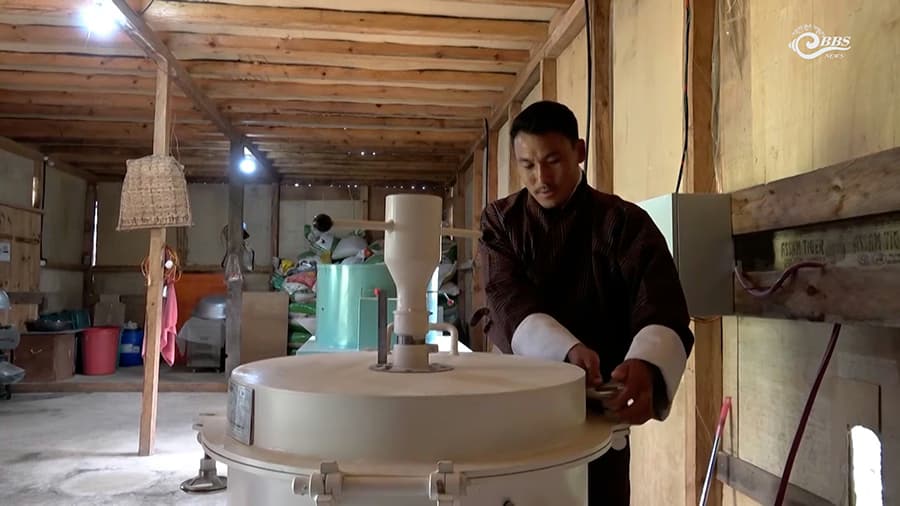
In the serene landscapes of Bumthang's Chhumey Gewog, an agricultural revolution is quietly brewing. What was once dismissed as mere cattle fodder is now a burgeoning oat business, redefining rural livelihoods and contributing to Bhutan's food security goals. 🎯
The Seed of an Idea 🌱
Rinzin Dorji, a 38-year-old visionary from Chhumey Gewog, stands at the heart of this transformation. His journey began in 2020, during a period of convalescence when oats became a staple in his diet. Intrigued by its nutritional profile, Rinzin delved deeper into the potential of oats, discovering its untapped promise in Bumthang. Traditionally, oats in this region were relegated to winter fodder for cattle. However, Rinzin saw beyond this, envisioning oats as a cornerstone of health and economy.
Planting the Future 🌾
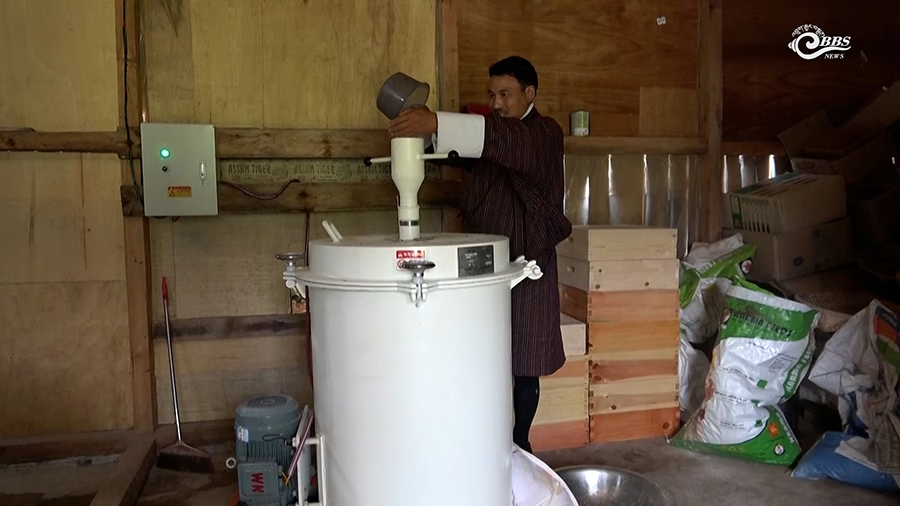
Armed with determination and a business plan, Rinzin secured a loan and established an oat processing unit. The initial skepticism from locals, who considered oats as animal feed, was a challenge he met with innovation. By sending samples to India for quality testing, he validated his vision, gaining the confidence to proceed. His efforts bore fruit as he distributed 50 kilograms of oat seeds to local farmers, creating a ripple effect of cultivation in the community.
Harvesting Prosperity 🎉
Today, farmers in Chhumey Gewog cultivate oats twice a year. The dual-purpose crop provides nutritious straw for cattle in winter and a source of income from grain sales in summer. This initiative has not only bolstered local economies but has also encouraged young people to remain in agriculture, fostering a sense of community and continuity.
Challenges and Triumphs ⚔️
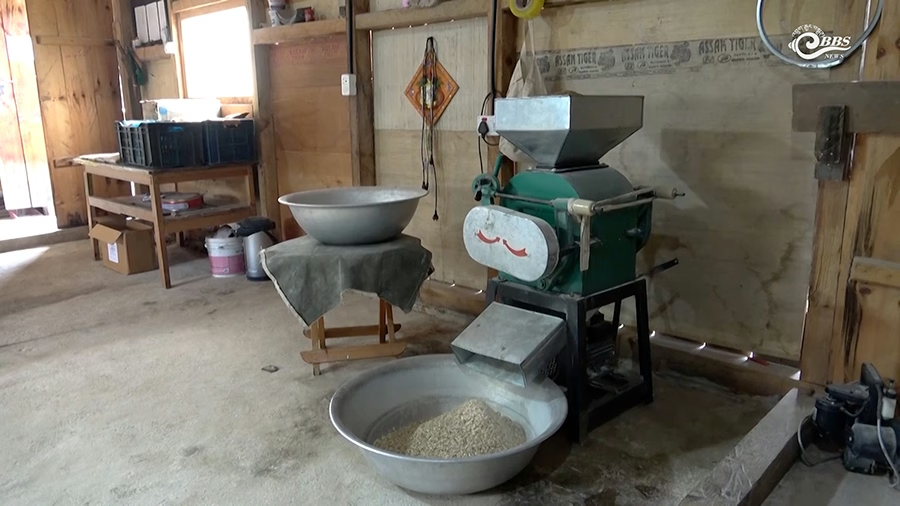
Despite the growing success, the venture faces hurdles, notably the lack of advanced machinery. Rinzin aims to diversify his product line, aspiring to produce oat rice, milk, and bread. However, financial constraints and mechanical limitations pose significant challenges. Support from the district agriculture sector and international partners like the European Union is crucial for scaling operations.
Community Impact and Future Prospects 🌟
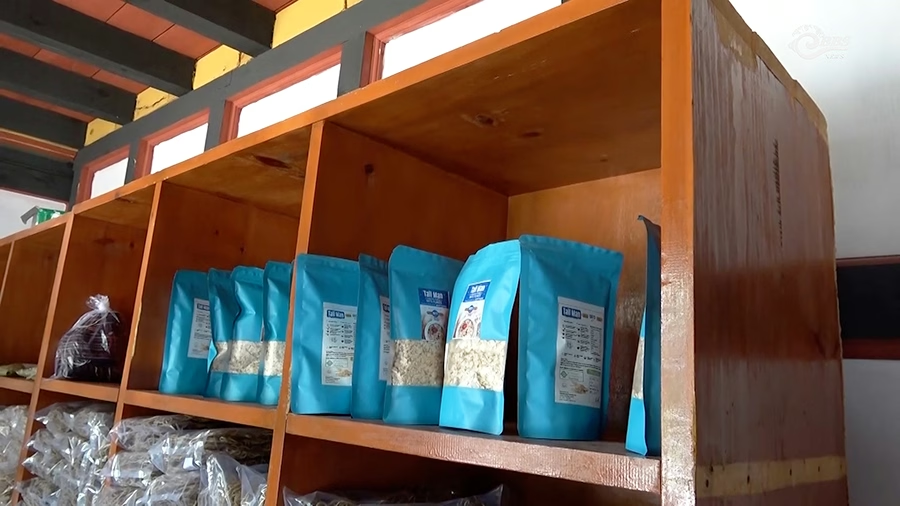
The processing unit now employs three young individuals and collects up to six tons of oats annually from over thirty farming households. This local success story is extending its reach to markets in Thimphu and Paro, showcasing the potential of regional agro-businesses in Bhutan.
A Vision for Self-Sufficiency 🌍
Rinzin’s journey is a testament to the transformative power of innovation in agriculture. His efforts are aligned with Bhutan's broader aim of achieving food self-sufficiency. By turning a humble crop into a symbol of economic resilience and health, Rinzin is not only uplifting local farmers but also contributing to national goals.
Key Takeaways 💡
- Innovation: Rinzin's initiative highlights the potential for traditional crops to be reimagined for modern markets.
- Community Engagement: By involving local farmers, the project fosters community growth and sustainability.
- Future Growth: With appropriate support, the oat business can diversify and meet increasing demand.
In conclusion, Rinzin Dorji’s oat enterprise exemplifies how entrepreneurial spirit and community collaboration can drive economic development and sustainability in rural Bhutan.
You May Also Like
Economy
Bhutan's Bold Vision: Two USD 50M Enterprises by 2030
September 27, 2026

Economy
Mega Dry Port in Pasakha: Bhutan's Trade Revolution
September 25, 2026
Economy
Fixed Deposit Tax Withholding: What You Need to Know
September 13, 2026
Economy
DRC's QR Payment Innovation: Tracking Business Income
September 2, 2026