Category:
PoliticsNC Backs Renewable Energy Tax Exemption Bill
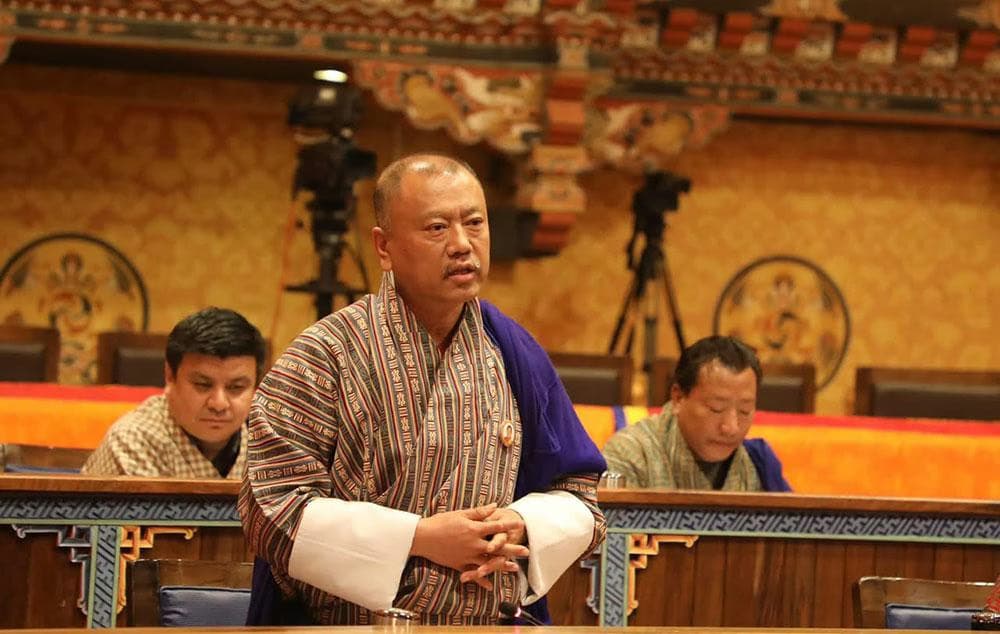
In a pivotal move towards sustainable development, Bhutan's National Council (NC) has thrown its support behind the Renewable Energy Tax Exemption Bill of 2026. This legislation is not just a policy shift; it’s a bold step towards a greener future 🌍.
Accelerating Renewable Energy 🌱
The bill is designed to stimulate the growth of renewable energy across Bhutan, aiming for a staggering 25 gigawatts (GW) of capacity. With hydropower being a national asset, the focus is on harnessing its full potential. By reducing electricity imports, especially during the costly winter months, Bhutan seeks to bolster its energy independence.
Key Objectives of the Bill
- Reduce Electricity Imports: Massive expenditure on electricity imports can be curtailed with increased domestic production.
- Attract Foreign Direct Investment (FDI): A favorable environment will be created for FDI, particularly in the hydropower sector.
- Job Creation: The development of renewable projects is set to open new employment opportunities for Bhutanese citizens.
A Time-Bound Strategy ⏳
The legislation includes a sunset policy, effective until 2040 or until the 25GW target is met. This strategic timeline ensures accountability and creates a sense of urgency in achieving energy goals.
Concerns and Challenges
MP Tshewang Rinchen from Samdrupjongkhar raised critical questions about the policy's long-term viability. While some areas see tax measures introduced, others enjoy exemptions, prompting a need for comparative analysis.
Moreover, the possibility of needing legislative amendments if targets aren't met by 2040 could pose logistical challenges. The issue of accountability also looms large, with assurances needed from the government that projects will be completed as promised.
The Bigger Picture: Bhutan’s Green Future 🌟
Globally, renewable energy is more than a trend; it's a necessity. Bhutan's commitment to this path aligns with international efforts to combat climate change and reduce carbon footprints.
Why This Matters
- Environmental Impact: Reduced reliance on imports means lesser carbon emissions, aligning with global sustainability goals.
- Economic Growth: Enhanced FDI and job creation contribute to a robust economy.
Upcoming Action
The bill is slated for adoption on June 11, marking a significant milestone in Bhutan's legislative timeline. As the kingdom progresses, the focus remains on ensuring sustainable and accountable development.
Conclusion: A Path Forward 🚀
With the NC's backing, Bhutan is setting a precedent in renewable energy policy. This bill not only promises a greener future but also a more prosperous and self-sufficient one. As Bhutan nears its June deadline, all eyes will be on the kingdom to see how it navigates these transformative changes.
The Renewable Energy Tax Exemption Bill stands as a beacon of progress, paving the way for other nations to follow suit in sustainable development initiatives.
You May Also Like
Politics
Mines and Minerals Bill Returns After 5-Year Deadlock
October 21, 2026
Politics
Bhutan and EU Parliamentarians Unite on Climate Action
September 26, 2026
Politics
Bhutan Launches Four Voter Participation Initiatives for LG Elections
September 16, 2026

Politics
Women in Politics: Breaking Through Barriers Before Election Day
September 15, 2026