Category:
EnvironmentBhutan's 17 Glacial Lakes: Government Strategy to Prevent Catastrophic Floods
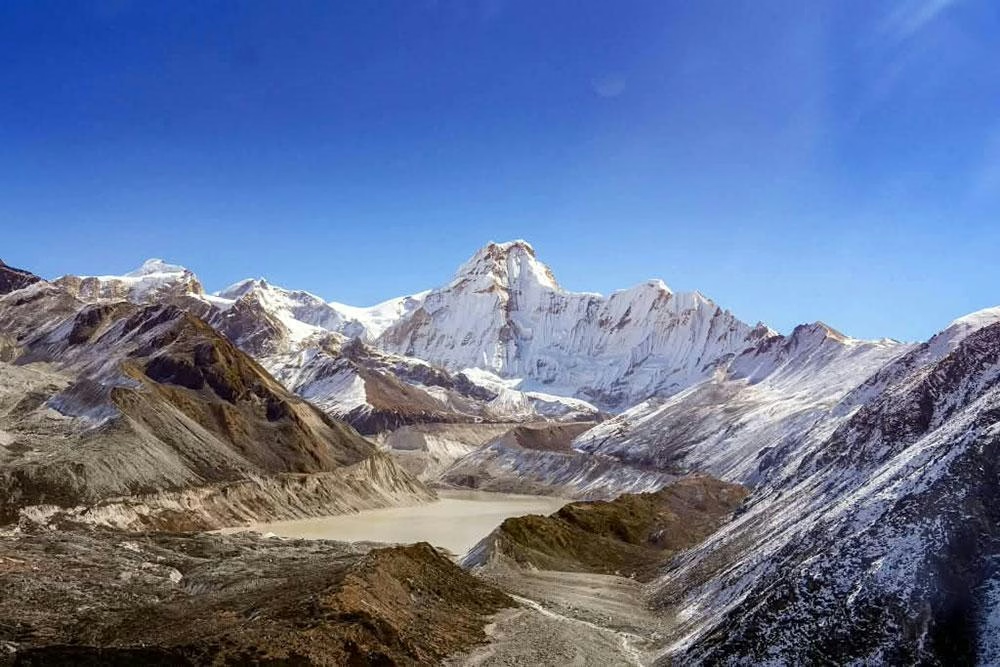
Bhutan faces a critical environmental challenge that demands immediate action. 🌏 With climate change accelerating glacier melt across the Himalayas, the nation's 17 potentially dangerous glacial lakes pose an unprecedented threat to downstream communities, infrastructure, and livelihoods. The government has now announced a comprehensive initiative to address this pressing concern by systematically lowering water levels across these hazardous water bodies.
Understanding the Glacial Lake Crisis ❄️
Glacial lakes form when retreating glaciers leave behind depressions that fill with meltwater. While these natural formations are increasingly common in high-altitude regions, they create significant risks when water levels become dangerously high. The primary concern is the potential for glacial lake outburst floods (GLOFs)—catastrophic events where accumulated water suddenly releases with devastating force.
These floods travel at tremendous speeds, destroying everything in their path. The impact extends far beyond the immediate vicinity of the lake, affecting multiple districts downstream and threatening critical infrastructure, agricultural land, and human settlements across vast areas.
The October 2025 Shintaphu Lake Incident 🚨
The reality of this threat became starkly apparent on October 29, 2025, when Shintaphu Lake in Gasa experienced a catastrophic outburst event. This incident served as a sobering wake-up call, demonstrating both the effectiveness and limitations of Bhutan's current disaster management systems.
The aftermath revealed extensive damage across multiple districts. In Gasa alone, 128 yaks and cattle perished, with 86 animals missing and 13 horses presumed dead. Approximately 100 acres of critical pastureland were devastated, and three animal sheds were completely destroyed. The Laya road and the vital Punakha–Gasa Highway suffered major damage, with the Tongchudra Bridge swept away entirely.

Downstream communities experienced equally severe consequences. Punakha lost two bailey bridges and sustained damage to a suspension bridge, while farmland and irrigation infrastructure were compromised. Wangdue reported four sand-harvesting boats washed away. The cultural landmark of Gasa Tshachu suffered devastating destruction, with its water source, soaking facilities, and bathhouse completely destroyed.
Despite the scale of destruction, early warning systems proved their value. Sirens in Punakha and Wangdue enabled timely evacuations, and remarkably, no human casualties were reported—a testament to the effectiveness of preparedness protocols.
Government's Comprehensive Response Strategy 🏛️
Recognizing that early warnings alone cannot eliminate risk, the government has established a high-level steering committee chaired by the Prime Minister to oversee a systematic water level reduction program across all 17 dangerous glacial lakes. This proactive approach represents a significant shift from reactive disaster management to anticipatory risk mitigation.
The National Committee for Critical Glacial Lakes will coordinate these efforts, bringing together technical experts, military personnel, and government officials. Operations are expected to commence during the winter season, taking advantage of natural conditions that may facilitate water level management.
Key Components of the Initiative:
- Prime Minister oversight ensuring high-level political commitment and resource allocation
- Technical expertise from specialized hydrologists, glaciologists, and meteorologists
- Military coordination leveraging the Royal Bhutan Army's capabilities and infrastructure
- Systematic approach addressing all 17 lakes according to risk assessment priorities
- Winter operations utilizing seasonal conditions for maximum effectiveness
Strengthening Early Warning Infrastructure 📡
The National Centre for Hydrology and Meteorology (NCHM) operates a sophisticated 24/7 Flood Monitoring and Command Room that represents the backbone of Bhutan's disaster preparedness system. GLOF monitoring stations transmit critical data every 15 minutes, enabling rapid detection of dangerous conditions.

Beyond real-time monitoring, NCHM has developed comprehensive flood and GLOF hazard maps that guide evacuation planning and community preparedness. The Centre has conducted multiple community awareness programs and evacuation drills, including exercises in Punakha and the Punatsangchhu basin scheduled for 2025, with a full-scale simulation planned for September 2026.
However, significant challenges remain. NCHM has experienced substantial staffing losses, with more than 35 trained technical professionals departing over the past five years. Funding constraints and a critical shortage of specialized meteorologists, hydrologists, and glaciologists threaten operational capacity. The Centre is actively recruiting and training new personnel through field attachments and specialized courses.
Investment in Climate Resilience 💰
The government has demonstrated serious commitment through substantial financial investment. Under the 13th Plan, Nu 1.7 billion has been allocated to enhance national hydrological and meteorological services across seven priority areas.
These investments include:
- Construction of a 24/7 National Weather and Flood Warning Centre at Yusipang
- Expansion of the observation network across critical regions
- Cryosphere research initiatives focusing on Bhutan Himalayan glaciers
- Enhanced aviation weather services for improved safety
- Strengthened climate monitoring capabilities
- Improved GLOF early warning systems for downstream protection
- Infrastructure resilience improvements in vulnerable areas
International Support and Funding 🌍
Bhutan has secured significant international support for climate adaptation efforts. In August 2026, the Green Climate Fund approved a USD 22 million project concept note titled "Enhancing Climate Information and Multi-Hazard Early Warning for Resilience in Bhutan." This collaborative initiative involves the Ministry of Finance, NCHM, and the United Nations Environment Programme (UNEP).
The full proposal is currently under development, with technical teams from UNEP and the World Meteorological Organization scheduled to visit for consultation and planning. This international partnership demonstrates global recognition of Bhutan's vulnerability and the importance of supporting climate adaptation in the region.
Community-Centered Disaster Risk Reduction 👥
Effective disaster management extends far beyond technical infrastructure. NCHM emphasizes that early warnings save lives only when communities understand risks and respond appropriately. This philosophy has driven the development of community response teams, first-aid training programs, and multi-hazard contingency plans involving local governments, security agencies, and health services.

The shift from reactive to anticipatory approaches requires active community participation. Residents in vulnerable downstream areas must understand glacial lake risks, recognize warning signals, and practice evacuation procedures. Regular drills and awareness programs build confidence and ensure rapid response when emergencies occur.
Addressing Communication Gaps 📞
One identified weakness in the current system involves communication redundancy in remote areas. While satellite, radio, and cellular networks provide multiple communication channels in accessible regions, isolated communities in Gasa, Laya, and other high-altitude settlements require enhanced communication infrastructure.
The October 2025 incident demonstrated this vulnerability. While early warnings were successfully transmitted, telecommunications infrastructure in Laya was disrupted, complicating coordination efforts. Restoring and strengthening communication networks remains a priority for improved disaster response.
Climate Trends and Future Preparedness 🌡️
Meteorological experts have warned of the possibility of a Super El Niño event, which could intensify precipitation patterns and accelerate glacier melt across the Himalayas. While officials urge vigilance, they emphasize avoiding unnecessary alarm while maintaining heightened preparedness.
Climate change continues to accelerate glacier retreat throughout the region. Glacial lakes that formed decades ago are expanding, and new lakes continue to develop as glaciers shrink. This dynamic situation demands continuous monitoring and adaptive management strategies.
The Path Forward: From Crisis to Resilience 🚀
Bhutan's comprehensive approach to glacial lake management represents a model for climate-vulnerable nations. By combining technical infrastructure investment, international cooperation, community engagement, and proactive water level management, the nation is transitioning from disaster response to disaster prevention.
The government's decision to begin lowering water levels in all 17 dangerous glacial lakes demonstrates bold leadership and commitment to protecting citizens and infrastructure. Combined with enhanced monitoring systems, improved early warning capabilities, and strengthened community preparedness, these measures significantly reduce the risk of catastrophic GLOFs.
Success requires sustained investment, continuous staff development, reliable funding, and unwavering community participation. As climate change continues reshaping the Himalayan landscape, Bhutan's integrated approach offers valuable lessons for other vulnerable nations facing similar challenges.
Key Takeaways 📋
The government's glacial lake management initiative represents a critical investment in national security and climate adaptation. By addressing 17 potentially dangerous lakes through systematic water level reduction, Bhutan demonstrates commitment to protecting downstream communities and infrastructure. Coupled with advanced monitoring systems, trained personnel, international partnerships, and active community engagement, these efforts position the nation to mitigate GLOF risks and build lasting resilience against climate-related disasters. The coming months will be crucial as operations commence, setting the stage for a safer, more secure future for all Bhutanese citizens.
You May Also Like
Environment
Bhutan Wins Earthshot Prize 2026 for Environmental Excellence
November 18, 2026
Environment
Bhutan's Wildlife Balance: Innovation for Coexistence
November 18, 2026
Environment
Changjiji Community Climate Park Opens in Thimphu
November 14, 2026
Environment
Mountains Gain Ground at COP31: Progress and Persistent Challenges
November 14, 2026