Category:
EnvironmentMountains Gain Ground at COP31: Progress and Persistent Challenges
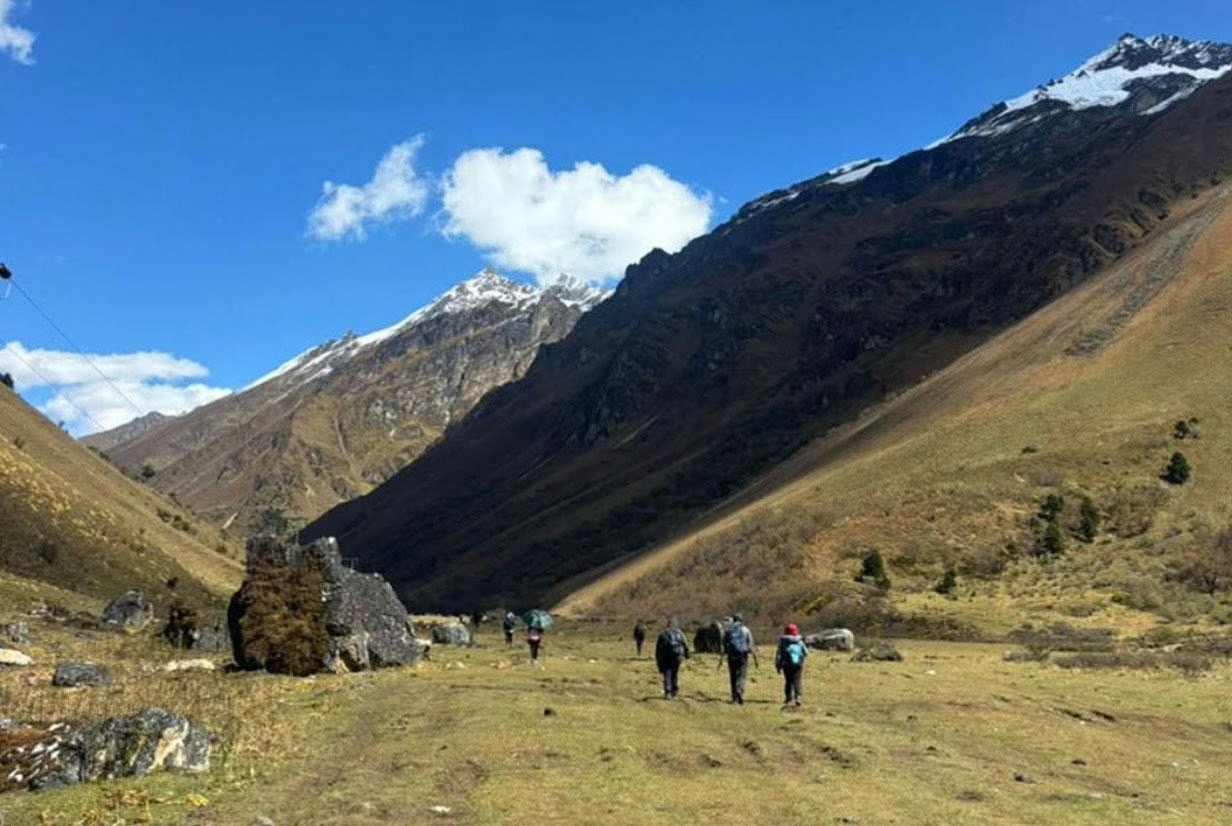
The Mountain Moment at COP31 🏔️
The 31st United Nations Climate Change Conference unfolded in Antalya, Türkiye, from November 9-20, marking a pivotal moment for mountain-dependent nations worldwide. On November 12, Bhutan joined forces with four other mountain countries—Kyrgyzstan, Nepal, Pakistan, and Tajikistan—to champion a cause that affects over 1.6 billion people globally: the urgent need for international climate action specifically tailored to mountain ecosystems and vulnerable alpine communities.
The high-level discussions, titled "Advancing the Mountain Agenda: Glaciers, Cryosphere and Resilience under Overshoot, Shared Responsibility and Sustainable Financing," represented a watershed moment in climate diplomacy. Yet despite this prominence, mountain regions still struggle to secure formal recognition within the global climate negotiation framework—a paradox that reveals both progress and persistent barriers.
Understanding the Stakes for Mountain Communities 🌍
The Hindu Kush Himalaya region, where Bhutan is strategically positioned, has earned the designation "Third Pole" due to its vast reserves of snow and ice. This isn't merely geographic poetry—it's a critical reality that underpins survival for billions.
Bhutan itself harbors more than 600 glaciers that serve as nature's water towers, feeding river systems that sustain agriculture, hydropower generation, and ecosystems across multiple nations. The country's first National Assessment of Climate-Induced Loss and Damage 2025 paints a sobering picture: average annual climate-induced losses reach USD 169.3 million, representing 6.9 percent of GDP.
The interconnected vulnerabilities facing mountain nations include:
- Accelerated glacier retreat and cryosphere degradation
- Heightened risks of glacial lake outburst floods (GLOFs)
- Increased landslide activity and terrain instability
- Altered precipitation patterns and water availability
- Threats to food security and rural livelihoods
- Infrastructure damage affecting roads and national systems
- Cross-border environmental impacts requiring regional cooperation
These aren't isolated environmental concerns—they represent existential challenges to national development and economic stability.
What Pema Gyamtsho Told the World 🎤
Pema Gyamtsho, Director General of the International Centre for Integrated Mountain Development (ICIMOD), delivered a message that encapsulated the mountain nations' frustration and determination. Speaking on behalf of the Hindu Kush Himalaya region, he emphasized a crucial point: mountain hazards respect no borders, yet international responses remain fragmented and inadequate.
His statement—"Mountains have been recognised. Now they need delivery"—crystallized the central tension at COP31. Recognition without resources, attention without action, and dialogue without dedicated mechanisms remain insufficient for communities facing climate catastrophe.
Gyamtsho's call for regional cooperation extending across borders reflects the reality that glacier collapse in one valley can devastate downstream settlements hundreds of kilometers away, potentially crossing multiple international boundaries. This transnational dimension demands coordinated financing, early-warning systems, and shared responsibility frameworks that current global mechanisms have yet to fully embrace.
The Proposals That Nearly Made It 📋
Bhutan and Nepal submitted a joint proposal titled "1.5°C warming in mountains," while Kyrgyzstan advocated for institutionalizing an annual dialogue on mountains and climate change within the UNFCCC framework. These weren't symbolic gestures—they represented carefully crafted strategies to move mountain concerns from occasional discussion to sustained, formal negotiation status.
The Bhutan-Nepal proposal specifically requested:
- Scientific assessments of 1.5°C warming impacts on mountain ecosystems
- Analysis of temperature overshoot scenarios affecting alpine regions
- Establishment of annual high-level political dialogue mechanisms
- Creation of a dedicated UNFCCC work programme on mountain ecosystems
- Integration of mountain priorities into global adaptation frameworks
- Enhanced access to climate finance specifically designated for mountain communities
- Recognition of mountain regions in loss-and-damage compensation mechanisms
These demands represented years of advocacy, scientific research, and diplomatic groundwork. Yet when the COP31 opening plenary convened on November 9, both proposals faced rejection—or more precisely, they failed to secure the consensus required for formal agenda status.
The Compromise That Keeps Hope Alive ✨
While formal recognition remained elusive, the outcome wasn't entirely disappointing. COP31 President Murat Kurum agreed to a series of alternative mechanisms that keep mountain issues within the UN climate process, albeit without the institutional weight of dedicated negotiating agenda items.
The agreed framework includes:
- Presidency Consultations: Direct engagement on mountains and climate change at the highest diplomatic levels
- Research Dialogue Integration: Mountain ecosystems featured in upcoming research discussions
- Subsidiary Body Meetings: Dedicated dialogues scheduled for UNFCCC subsidiary body meetings in 2027 and 2028
- COP32 and COP33 Reporting: Systematic reporting of mountain-related outcomes to future conferences
- Leaders' Summit Inclusion: Mountain issues prominently featured in COP31 Leaders' Summit discussions
These arrangements represent a strategic holding pattern—not the dedicated work programme mountain nations sought, but a pathway that prevents their concerns from disappearing into bureaucratic obscurity.
The Broader COP31 Negotiating Agenda 🌐
While mountains struggled for formal recognition, several issues directly affecting Bhutan and mountain communities dominated COP31 negotiations. Understanding these interconnected discussions reveals why mountain-specific mechanisms matter.
Key negotiating items include:
- Adaptation Frameworks: How developing nations access resources to build climate resilience
- Loss and Damage Mechanisms: Compensation structures for climate impacts exceeding adaptation capacity
- Long-Term Climate Finance: Commitment levels and accessibility for vulnerable nations
- Green Climate Fund Guidance: How international climate finance reaches mountain communities
- Technology Transfer: Access to climate monitoring and early-warning systems
- Capacity-Building Programs: Technical support for mountain nations implementing climate action
- Least Developed Countries Support: Special provisions recognizing extreme vulnerability
For Bhutan, the critical question remains: Will these global mechanisms adequately recognize mountain-specific risks and ensure funding reaches communities most exposed to climate hazards?
Why Mountain Ecosystems Deserve Dedicated Attention 💧
Mountain regions occupy roughly 24 percent of Earth's land surface yet support approximately 15 percent of global population. More significantly, mountain water systems serve 1.6 billion people downstream—nearly one-fifth of humanity depends on alpine ecosystems for freshwater.
The Hindu Kush Himalaya's role as a water tower extends across eight nations: Afghanistan, Bangladesh, Bhutan, China, India, Myanmar, Nepal, and Pakistan. This transnational dimension creates unprecedented coordination challenges. A glacier collapse in one nation becomes a humanitarian crisis for multiple countries.
Bhutan's hydropower sector exemplifies this interdependence. The nation generates approximately 99 percent of its electricity from hydropower, making water availability from glacial systems essential to national energy security and economic stability. Climate-induced changes to glacial melt patterns directly threaten this renewable energy foundation.
Agricultural productivity in Bhutanese valleys depends on consistent water availability and relatively stable weather patterns. Changing precipitation regimes and accelerated glacier retreat introduce uncertainty that traditional farming communities cannot easily absorb. Tourism, another pillar of Bhutan's economy, relies on pristine mountain ecosystems and predictable environmental conditions.
The Regional Cooperation Imperative 🤝
Pema Gyamtsho's emphasis on cross-border cooperation reflects a fundamental reality: climate impacts in mountain regions don't respect political boundaries. A glacial lake outburst flood triggered by warming temperatures in Kyrgyzstan can devastate communities downstream in Tajikistan. Landslides in Nepal can affect water systems in Bangladesh. Ecosystem degradation in Bhutan influences river flows affecting India.
This reality demands financing mechanisms that transcend national silos and encourage regional cooperation. Current UNFCCC structures, designed primarily for bilateral climate negotiations between individual nations and the international community, struggle to accommodate transnational mountain ecosystem management.
The mountain nations' push for dedicated frameworks reflects recognition that adaptation finance must reach across borders, early-warning systems must operate regionally, and capacity-building must emphasize collaborative approaches to shared mountain challenges.
What Comes Next: The Path Forward 🛤️
The outcomes at COP31 represent both achievement and incompleteness. Mountain nations secured high-level political attention and commitments to continued dialogue—genuine progress in a process where such recognition was previously sporadic and marginalized.
However, the failure to secure formal agenda status means mountain ecosystems remain vulnerable to deprioritization as other pressing issues compete for negotiating time and financial resources. The scheduled consultations and dialogues in 2027 and 2028 offer opportunities to build momentum, but they provide no guarantee of the dedicated work programme that mountain countries desperately need.
For Bhutan specifically, the challenge involves translating these diplomatic advances into concrete outcomes: increased climate finance flows, enhanced early-warning systems for GLOFs, improved technology transfer for glacier monitoring, and formal recognition of mountain-specific vulnerabilities in global adaptation frameworks.
Key Takeaways for Mountain Communities 🎯
The COP31 mountain agenda debate illuminates several critical realities:
Mountains are gaining visibility in global climate discussions, but visibility without institutional power remains insufficient for addressing existential challenges. Political attention must translate into dedicated funding mechanisms, research programs, and policy frameworks specifically designed for alpine ecosystems.
Regional cooperation is non-negotiable for mountain nations. Climate impacts transcend borders, requiring coordinated responses that current bilateral negotiating structures struggle to accommodate. Future climate agreements must formalize transnational mountain ecosystem management.
Vulnerable communities need dedicated resources beyond general adaptation finance. Mountain-specific vulnerabilities—GLOFs, glacier retreat, altitude-dependent agriculture—require targeted interventions that generic climate finance mechanisms often fail to address adequately.
The window for action is narrowing as glaciers retreat and temperatures rise. The 2027-2028 dialogue schedule offers opportunities, but mountain nations cannot afford to wait years for formal recognition when communities face immediate threats.
Bhutan's leadership in championing mountain concerns at COP31 reflects both its vulnerability to climate impacts and its potential role as a bridge-builder among mountain nations. As the world watches glaciers disappear and climate impacts accelerate, the question remains: Will formal recognition follow, or will mountains remain prominent in rhetoric while remaining marginalized in resource allocation?
The answer will determine whether 1.6 billion people dependent on mountain water systems receive the climate action and international support they desperately need.
You May Also Like
Environment
Changjiji Community Climate Park Opens in Thimphu
November 14, 2026
Environment
Drukpa Masters Mobilize Against Himalayan Climate Crisis
November 14, 2026
Environment
Living Among Snow Leopards: The Soe Community's Story
November 11, 2026
Environment
Bhutan's Glacial Lakes: 620 Mapped, 17 Pose Risks
November 10, 2026