Category:
CultureAncient Bhutanese Tradition Steps Into Digital Age
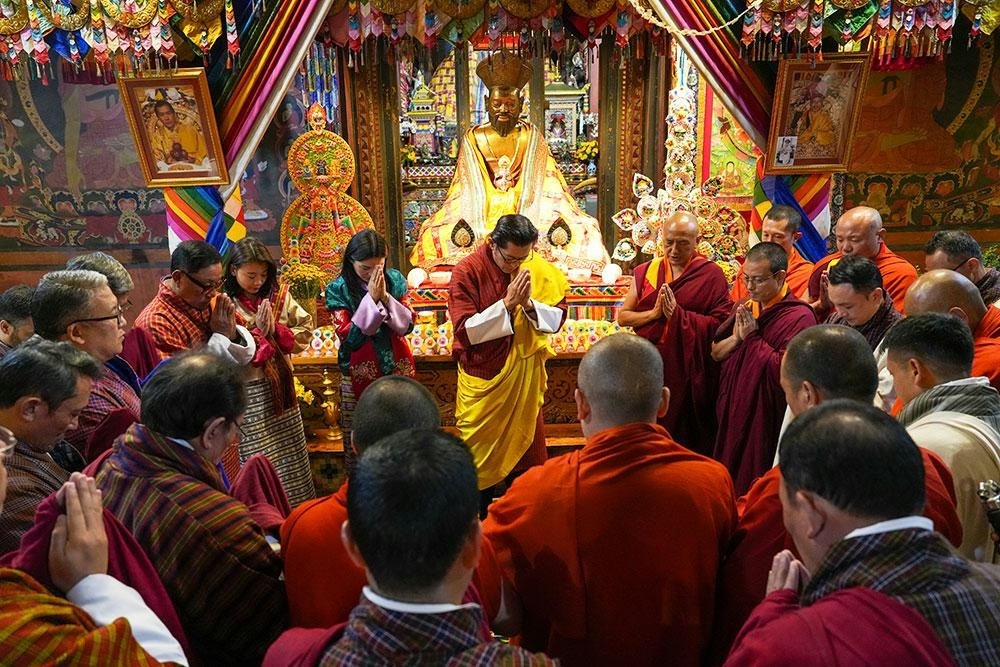
A Sacred Practice Embraces the Modern World 🌍✨
In a remarkable convergence of spirituality and technology, Bhutan has undertaken a transformative initiative that honors centuries-old Buddhist traditions while embracing contemporary digital innovation. The nation's commitment to preserving its cultural heritage while adapting to modern times represents a fascinating case study in how ancient wisdom can thrive in the digital era.
On October 22, 2026, a historic moment unfolded when the nation's spiritual leader became the first person to enter a digital prayer room, marking the official launch of a groundbreaking platform designed to extend a profound Bhutanese spiritual practice to the global community. This pivotal event demonstrates how technology can serve as a bridge between generations, connecting devotees across continents in shared spiritual intention.
Understanding Yoeja: Beyond Simple Giving 🙏💫
At the heart of this digital revolution lies Yoeja, a concept that transcends Western notions of charity or donation. This ancient Bhutanese tradition represents a deeply spiritual practice of making offerings—whether monetary, material, or through service—to Buddhist monks, temples, monasteries, and spiritual communities.
The distinction is crucial: Yoeja is not merely about giving. Rather, it embodies a Buddhist principle of generating merit—not just for the giver, but for all sentient beings. According to Buddhist teachings, the value of an offering is measured not by its material worth but by the purity of intention behind it. A simple flower offered with genuine devotion holds equal or greater spiritual significance than vast material wealth offered without sincere commitment.
This philosophy reflects the concept of tendrel—an auspicious connection between those who pray, those who facilitate prayer, and the ultimate beneficiaries of those prayers. The benefits ripple outward, creating positive karmic consequences that ultimately serve all life forms.
Tracing Yoeja's Historical Roots 📜🏛️
The lineage of Yoeja tradition extends back over thirteen centuries. When the earliest Buddhist monasteries—Kyichu Lhakhang and Jambay Lhakhang—were established in the seventh century, they brought with them this sacred practice of community-supported spirituality. These weren't isolated religious institutions but vital centers supported by the devotion and generosity of the Bhutanese people.
The tradition gained institutional structure during the seventeenth century when Zhabdrung Ngawang Namgyel, the founding figure of unified Bhutan, established the Zhung Dratshang (Central Monk Body). This organization was mandated with a singular purpose: ensuring the spiritual health and protection of the entire nation. For nearly four centuries, this system has maintained an unbroken chain of prayer and spiritual practice.
The Wangchuck dynasty has consistently safeguarded these practices, recognizing them as foundational to Bhutanese national identity. Generation after generation, families have contributed to sustaining the sangha—the religious community—through voluntary offerings, creating a continuous cycle of spiritual devotion that defines Bhutanese culture.
The Purpose and Power of Yoeja 🔮🌟
Yoeja serves multiple profound functions within Bhutanese society:
- Spiritual cultivation: It provides practitioners with opportunities to generate merit and develop compassion
- Community cohesion: It strengthens bonds between donors, recipients, and spiritual communities
- Cultural preservation: It maintains Buddhist values and practices across generations
- Collective wellbeing: Prayers offered through Yoeja are believed to benefit all sentient beings, not just the donor
- Governance support: It sustains the institutions that preserve human culture and promote essential values
- Mindfulness cultivation: The practice serves as a constant reminder of what truly matters in life
The prayers of the Zhung Dratshang and devoted practitioners are often described as Bhutan's "24/7" spiritual insurance—continuously offered for the protection and wellbeing of the nation and the world. This uninterrupted cycle of devotion represents a unique cultural phenomenon in our modern age.
The Digital Transformation: Yoeja Meets Technology 💻📱
The launch of yoeja.com represents a watershed moment in how ancient traditions adapt to contemporary life. The digital platform features an innovative "digital chyem" (rosary) that allows users to recite sacred mantras on their screens while maintaining accurate counts of recitations. This technological innovation ensures precision and consistency in spiritual practice while creating a permanent, verifiable record of devotional activity.
The platform's architecture enables something unprecedented: the consolidation of prayers from devotees worldwide. Through a sophisticated digital tracker, individual recitations are recorded and linked together, creating a visible measure of collective spiritual intention. Users can register on the platform and share their prayers, contributing to a global network of shared Buddhist practice.
This represents far more than simple digitization. It's a thoughtful integration of technology that preserves the integrity of the practice while extending its reach. The digital rosary maintains the meditative rhythm and spiritual authenticity of traditional practice while providing the accessibility and tracking capabilities that modern practitioners expect.
A Vision for Global Spiritual Connection 🌐🕉️
The international launch of yoeja.com coincides with a monumentally significant event: the construction of 108 Jangchub Chortens (sacred stupas) in Gelephu Mindfulness City on November 1, 2026. This ambitious project represents a Royal vision to transform Bhutan into a beacon of spiritual and mindful development for the entire world.
The number 108 holds profound significance in Buddhist tradition, appearing repeatedly in sacred texts and practices. These 108 stupas serve as physical manifestations of collective merit—an offering of peace and wellbeing from Bhutan to humanity. They symbolize the nation's aspiration to generate positive karmic energy that transcends borders and benefits all beings.
The simultaneous global launch of the digital platform transforms this vision into reality. While the 108 stupas give physical form to Bhutan's prayers, the yoeja digital platform carries those prayers beyond geographical boundaries, enabling practitioners worldwide to participate in this collective spiritual endeavor.
How the Digital Platform Works 🎯✨
The mechanics of yoeja.com are designed for accessibility and spiritual authenticity:
- Registration: Users create accounts on the platform
- Digital recitation: Practitioners use the digital chyem to recite the six-syllable mantra (Om Mani Padme Hung)
- Automatic tracking: Each screen touch rotates the digital rosary and records the recitation
- Consolidation: Individual prayers are linked through the platform's tracking system
- Global visibility: Users can see the collective power of shared intention across the globe
- Karmic contribution: All recitations contribute to the collective merit generated for all sentient beings
This system democratizes spiritual practice, making it accessible to anyone with internet connectivity while maintaining the sacred integrity of the tradition.
The Broader Context: Bhutan's Spiritual Evolution 🏔️🌸
Bhutan's approach to modernization has consistently prioritized spiritual and cultural preservation. While many nations view tradition and progress as opposing forces, Bhutan has demonstrated that they can coexist and enhance one another.
The nation's transformation from an isolated kingdom to a modern constitutional monarchy has never compromised its Buddhist values. Instead, institutions like the Zhung Dratshang have evolved to meet contemporary needs while maintaining doctrinal integrity. The launch of yoeja.com represents the latest chapter in this ongoing evolution.
This approach reflects Gross National Happiness (GNH), Bhutan's famous development philosophy that measures progress not merely in economic terms but in spiritual wellbeing, cultural preservation, environmental conservation, and good governance. The digitization of Yoeja perfectly embodies these principles—embracing technology to strengthen spiritual practice and cultural continuity.
What This Means for Global Buddhism 🌏💫
The international launch of yoeja.com carries significance far beyond Bhutan's borders. It represents:
- Cultural bridge-building: Introducing the world to authentic Bhutanese Buddhist practice
- Spiritual democratization: Making merit-generation accessible to practitioners globally
- Technological service to spirituality: Demonstrating that digital tools can enhance rather than diminish sacred practice
- Collective consciousness: Enabling millions to participate in shared spiritual intention
- Karmic interconnection: Creating tangible evidence of how individual actions contribute to collective wellbeing
For Buddhist practitioners worldwide, the platform offers an unprecedented opportunity to participate in a nationally-sponsored spiritual initiative. For those curious about Buddhism, it provides an accessible entry point into authentic practice.
The Future of Ancient Traditions 🔮🌟
The successful digitization of Yoeja demonstrates that ancient traditions need not fade in the face of technological change. Instead, they can be thoughtfully adapted to remain relevant and accessible to new generations.
As yoeja.com expands globally, it will likely inspire similar initiatives in other Buddhist-majority nations and communities. The platform serves as a model for how cultural institutions can leverage technology while preserving spiritual authenticity.
The convergence of the 108 Jangchub Chortens and the digital platform represents a comprehensive approach to spiritual renewal—combining physical manifestation with digital accessibility, local practice with global participation, and ancient wisdom with contemporary innovation.
Key Takeaways: Honoring the Past, Embracing the Future 🎯✨
The launch of yoeja.com and the simultaneous construction of 108 Jangchub Chortens mark a defining moment in how humanity can preserve and evolve sacred traditions:
- Yoeja transcends simple charity: It's a sophisticated Buddhist practice centered on merit generation and collective wellbeing
- Technology serves spirituality: Digital platforms can enhance rather than diminish sacred practice
- Global participation is possible: Practitioners worldwide can now contribute to collective spiritual intention
- Cultural pride meets innovation: Bhutan demonstrates that modernization and tradition can strengthen each other
- Karmic connection knows no borders: The benefits of Yoeja now extend to anyone with internet access
As the world becomes increasingly digital, Bhutan's approach offers a profound lesson: that our deepest traditions can not only survive technological change but flourish within it. The echoes of Om Mani Padme Hung now reverberate through digital networks, connecting millions in shared aspiration for peace and wellbeing. This is not the abandonment of tradition but its evolution—a testament to the enduring power of spiritual practice in any era. 🙏🌍💫
You May Also Like
Culture
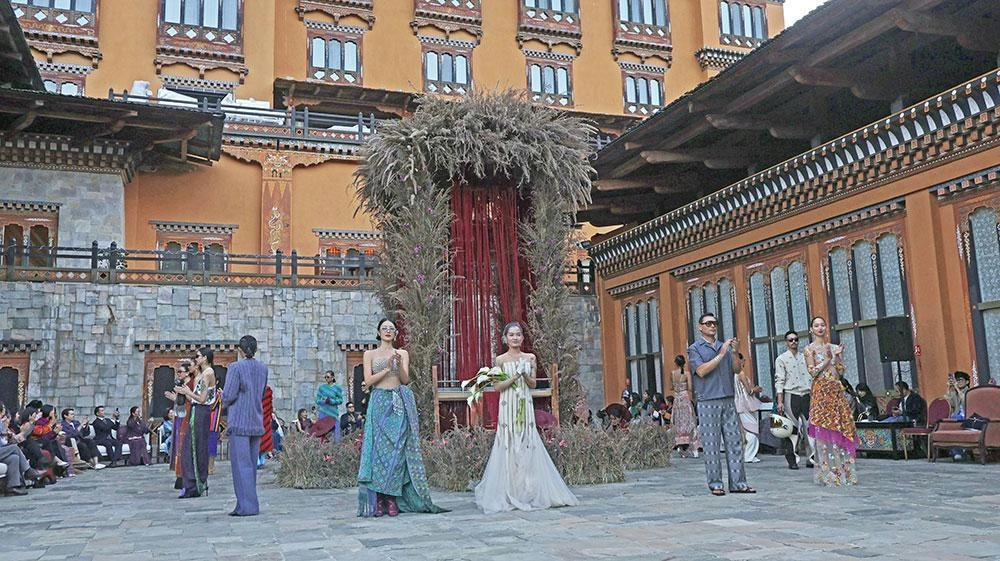
Thai Designer Transforms Bhutanese Textiles into Contemporary Fashion
October 23, 2026
Culture
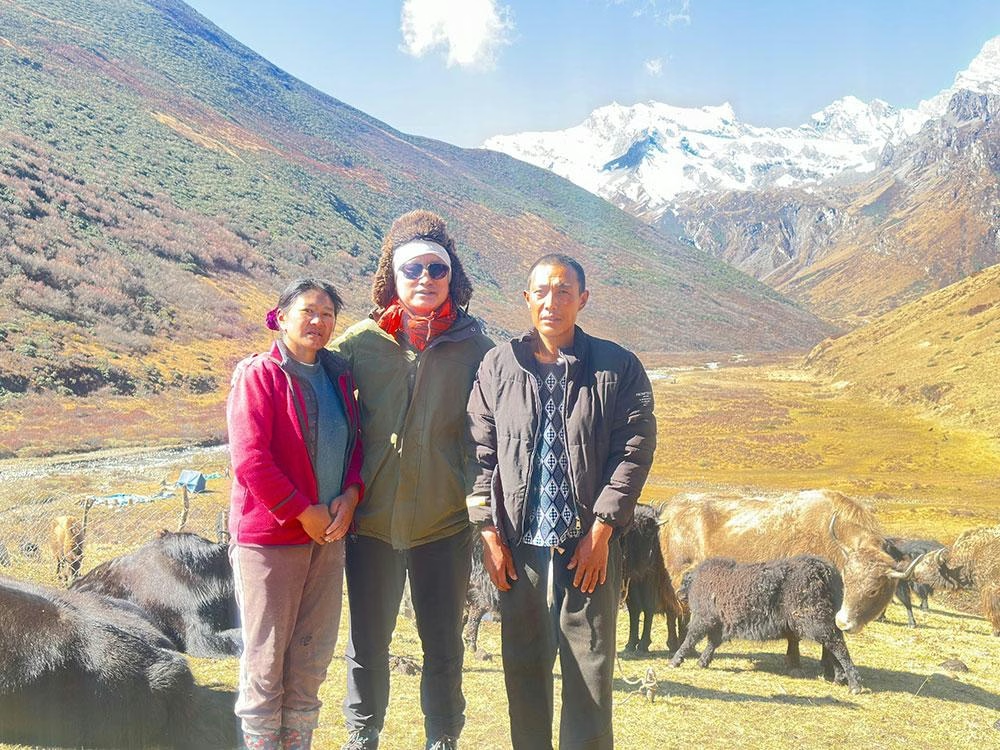
The Last Herds of Zhodu: Bhutan's Fading Pastoral Legacy
October 21, 2026
Culture
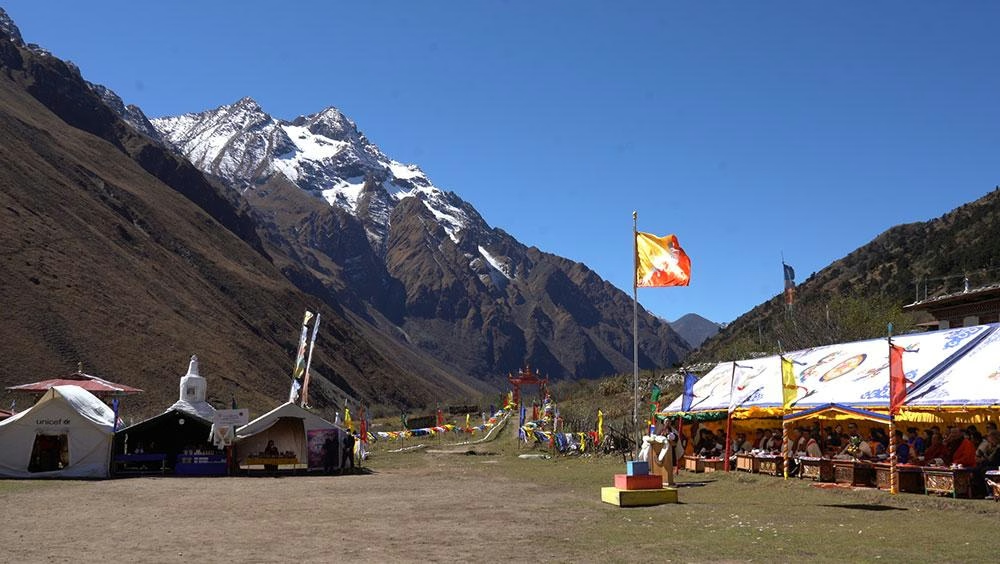
Highlanders Celebrate 12th Jomolhari Mountain Festival
October 21, 2026
Culture
Sacred Heart of 108 Chortens: Bhutan's Spiritual Masterpiece
August 26, 2026