Category:
CultureThai Designer Transforms Bhutanese Textiles into Contemporary Fashion
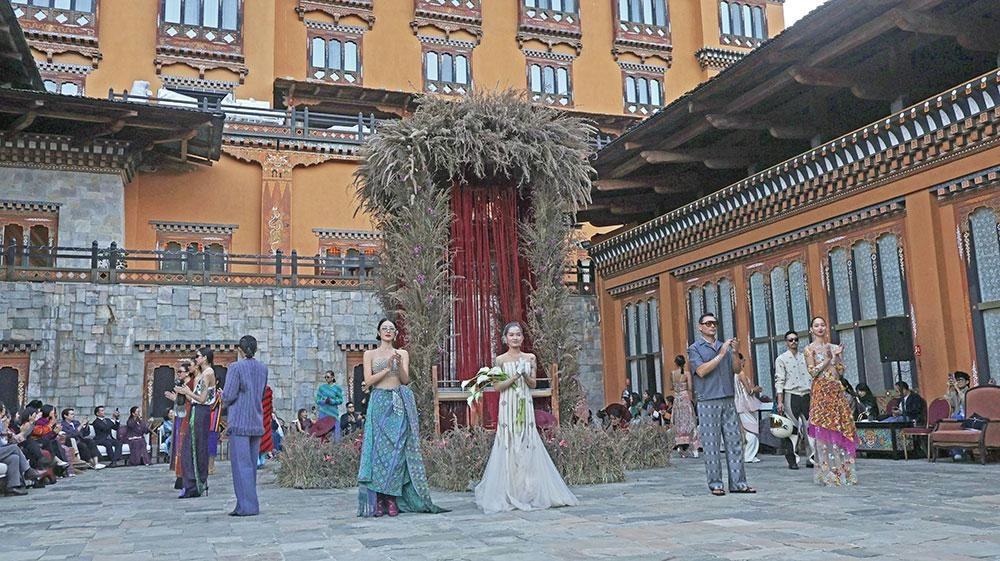
When tradition meets innovation on the runway, something magical happens. 🎨 A Bangkok-based designer recently orchestrated just such a moment in Thimphu, creating a groundbreaking fashion show that celebrates Bhutanese textile heritage while pushing the boundaries of contemporary design. The event, aptly titled Bhutan in Motion, marked a pivotal collaboration between Eastern and Southeast Asian creative traditions, demonstrating how cultural exchange can produce stunning artistic results.
A Runway Revolution in Thimphu ✨
The fashion show presented an unconventional spectacle that challenged traditional runway expectations. Rather than simply displaying garments in isolation, the designer positioned four skilled weavers at the heart of the catwalk, their hands moving rhythmically across looms as models circled them with deliberate, powerful strides. This staging choice transformed the presentation into a living narrative about textile creation and cultural continuity.
Seventeen models—including two male performers and international representatives from Thailand—walked the runway wearing reimagined Bhutanese garments. Their confident postures and intentional movements commanded attention, allowing each piece's intricate details, vibrant colors, and sophisticated textures to shine under the spotlight. The contrast between the stationary weavers and the moving models created a dynamic visual dialogue about the relationship between traditional craftsmanship and modern fashion expression. 🌟
Honoring Tradition Through Innovative Design 💫
The collection featured several standout pieces that exemplified the designer's approach to textile transformation. One particularly striking creation was a flowing white wedding dress constructed from a flower-patterned kira—Bhutan's traditional wrapped skirt. By layering sheer fabric over the original textile, the designer created a dreamlike quality that allowed the delicate floral patterns to peek through, creating an ethereal effect that honored the source material while introducing contemporary silhouette principles.
Another memorable piece paired a vibrant yellow kishuthara skirt with a full-sleeved sheer shirt featuring flowers arranged in a sinuous, snake-like pattern. The designer also reimagined kishuthara into modern skirts and long outer jackets, each piece maintaining the integrity of the original textile while presenting unexpected styling possibilities. A white buray jacket offered yet another contemporary interpretation, proving that Bhutanese traditional garments could be deconstructed and reconstructed without losing their cultural essence.
The Challenge of Preservation and Innovation 🔥
Creating this collection presented significant technical and conceptual challenges. The designer explained that one of the most critical constraints was developing new designs without cutting into the original fabrics—a limitation that actually sparked creative problem-solving. For major pieces like the oversized coat and green skirt, the designer employed draping techniques that required zero cutting, allowing the garments to be completely disassembled and the textiles reused or repurposed.
This approach reflects a broader sustainability consciousness within contemporary fashion. By refusing to compromise textile integrity, the designer demonstrated that luxury fashion and environmental responsibility need not be mutually exclusive. The draping methodology also preserved the authenticity of the original weavings, ensuring that each textile maintained its narrative and cultural significance even as its presentation evolved.
A Cross-Cultural Creative Journey 🌏
The designer's relationship with Bhutan extends far beyond this single project. A decade-long connection to the kingdom preceded the fashion show, providing essential cultural context and genuine appreciation for Bhutanese artistic traditions. This extended familiarity proved invaluable when the project officially commenced in April, when intensive fabric research began in earnest.
The timeline was remarkably compressed—confirmation to proceed came only toward the end of May, leaving limited months to execute an ambitious vision. Despite these constraints, the designer coordinated closely with Bhutanese textile designers and master weavers, some of whom specially wove fabrics specifically for this collection. This collaborative approach ensured that the final pieces represented not merely a designer's interpretation of Bhutanese aesthetics, but a genuine partnership between creative minds from different cultural traditions.
The Broader Context of Bhutanese Fashion 👗
Bhutan's approach to cultural preservation through dress is internationally distinctive. The nation maintains one of the world's most stringent policies regarding traditional clothing, with the Bhutan National Dress Policy requiring government officials and students to wear traditional gho and kira in official settings. This cultural commitment creates a unique fashion landscape where traditional and contemporary aesthetics must coexist and dialogue.
The emergence of designers who reinterpret Bhutanese textiles for contemporary contexts represents an important evolution in this cultural conversation. Rather than viewing traditional dress as static or unchangeable, these creative practitioners demonstrate that heritage can remain vibrant and relevant within modern fashion frameworks. Such work also contributes to Bhutanese economic development through textile promotion and increased international visibility for the nation's artisanal traditions.
The Weaver's Role in Contemporary Fashion 🧵
One particularly meaningful aspect of Bhutan in Motion was the prominent positioning of weavers themselves. By placing textile artisans at the runway's center, the designer acknowledged that fashion is not merely about finished garments but about honoring the skilled hands that create the foundational materials. This staging choice elevated weaving from background craft to celebrated art form, challenging fashion industry conventions that often obscure production processes.
Bhutanese weavers represent generations of accumulated knowledge and technique. Traditional patterns, color combinations, and weaving methods are frequently passed down through families, creating living links to historical practices. By featuring weavers prominently, the fashion show reinforced the importance of preserving these knowledge systems while demonstrating their contemporary relevance. This approach aligns with growing consumer interest in understanding garment provenance and supporting artisanal production methods.
Innovation Without Compromise 🎯
The designer's philosophy centered on a fundamental principle: contemporary fashion need not diminish traditional textiles. Instead, thoughtful design can reveal new dimensions within established materials. By employing techniques like strategic layering, innovative draping, and unexpected silhouette combinations, the collection proved that Bhutanese textiles possessed remarkable versatility.
This methodology offers valuable lessons for fashion industries worldwide. As sustainability concerns increasingly shape consumer preferences, designers who can work respectfully within existing textile traditions—rather than constantly demanding new production—may find themselves at the forefront of fashion's future. The collection demonstrated that constraints can catalyze creativity, and that limitations sometimes produce more innovative results than unlimited resources.
Cultural Exchange and Global Fashion Dialogue 🌐
The collaboration between a Thai designer and Bhutanese textile traditions exemplifies how Southeast and South Asian fashion industries can create meaningful dialogue. Thailand and Bhutan, while geographically distinct, share Buddhist cultural influences and appreciation for intricate textile work. This shared foundation provided fertile ground for creative collaboration.
International fashion increasingly recognizes the value of cultural specificity and authentic storytelling. Collections that emerge from genuine engagement with source communities—rather than superficial appropriation—resonate more powerfully with contemporary audiences. The presence of Thai models alongside Bhutanese performers further emphasized this cross-cultural narrative, suggesting that fashion can serve as a language transcending national boundaries.
What This Means for Bhutanese Creative Industries 💼
Projects like Bhutan in Motion carry significant implications for Bhutan's developing creative economy. International recognition of Bhutanese textiles through high-fashion contexts increases their perceived value and desirability. This visibility can translate into expanded market opportunities for weavers, textile designers, and fashion entrepreneurs throughout the kingdom.
Moreover, such collaborations demonstrate that Bhutanese cultural products can compete successfully in global fashion markets without compromising authenticity or cultural integrity. As Bhutan continues developing its economy while maintaining its distinctive cultural identity—a balance the nation has carefully pursued through its Gross National Happiness framework—creative industries offer particularly promising pathways for sustainable development.
The Future of Traditional Textiles in Fashion ✨
The success of Bhutan in Motion suggests growing appetite for fashion that honors traditional craftsmanship and cultural heritage. As consumers increasingly seek alternatives to fast fashion's environmental and ethical problems, designers who work thoughtfully with established textile traditions may find expanding audiences and opportunities.
For Bhutan specifically, this trend offers encouragement. The nation's commitment to preserving traditional dress and textile practices need not conflict with participation in contemporary global fashion. Instead, these elements can enhance each other, creating distinctive products that appeal to consumers seeking authenticity, sustainability, and cultural meaning in their fashion choices.
Conclusion: Where Tradition Meets Tomorrow 🌟
Bhutan in Motion represents far more than a single fashion show. It exemplifies how cultural exchange, creative vision, and respect for traditional craftsmanship can converge to produce something genuinely innovative. The designer's willingness to work within constraints, collaborate with local artisans, and center weavers in the creative process resulted in a collection that honored Bhutanese heritage while introducing it to contemporary fashion contexts.
As the global fashion industry continues grappling with sustainability challenges and cultural authenticity questions, projects that thoughtfully reinterpret traditional textiles offer valuable models. Bhutanese weavers, textile designers, and creative entrepreneurs now have a compelling example of how their work can reach international audiences without compromise. The runway in Thimphu became a stage not just for fashion, but for demonstrating that tradition and innovation need not compete—they can dance together beautifully. 🎭
You May Also Like
Culture
The Last Herds of Zhodu: Bhutan's Fading Pastoral Legacy
October 21, 2026
Culture
Highlanders Celebrate 12th Jomolhari Mountain Festival
October 21, 2026
Culture
Sacred Heart of 108 Chortens: Bhutan's Spiritual Masterpiece
August 26, 2026
Culture
When Colour Drains From the Scene: Spiritual Gatherings in Bhutan
August 15, 2026