Category:
SportsWomen Breaking Barriers in Bhutanese Archery Sport
From Sidelines to Center Stage: Women's Rise in Bhutanese Archery 🏹
For generations, Bhutanese women have been the voices behind the archers—singing, dancing, and celebrating from the sidelines as men dominated the shooting line. Today, that dynamic is fundamentally shifting. Women are stepping up to the targets themselves, competing in compound archery (locally known as Pulley) and reshaping what it means to participate in Bhutan's cherished national sport.
This transformation represents far more than just increased participation numbers. It signals a cultural evolution, a challenge to deeply rooted traditions, and a reimagining of what's possible for women athletes in one of the Himalayan kingdom's most iconic competitions.
The Historical Context: Understanding Bhutanese Archery Culture 📚
Bhutanese-style archery isn't merely a sport—it's woven into the nation's identity, celebrated during festivals, national holidays, and community gatherings. Traditionally, the sport has been almost exclusively male-dominated, with cultural norms creating invisible barriers that kept women from competing seriously.
When the World Archery Federation assessed Bhutanese archery in 2017, they documented what locals already knew: the sport was predominantly male, with women's limited participation driven by cultural expectations rather than any official rules. This distinction proved crucial—it meant that barriers were changeable, not insurmountable.
The recognition sparked momentum. Sports organizations, particularly the Bhutan Olympic Committee, began actively encouraging female participation and providing institutional support for women archers seeking competitive opportunities.
Measuring Progress: Numbers Tell an Evolving Story 📊
The statistics reveal a clear upward trajectory, though women remain underrepresented. In 2018, Dorji Dema was the sole female archer among 180 competitors representing 36 teams at the prestigious Paro Open Archery Tournament. This lonely statistic underscored just how male-dominated the sport remained.
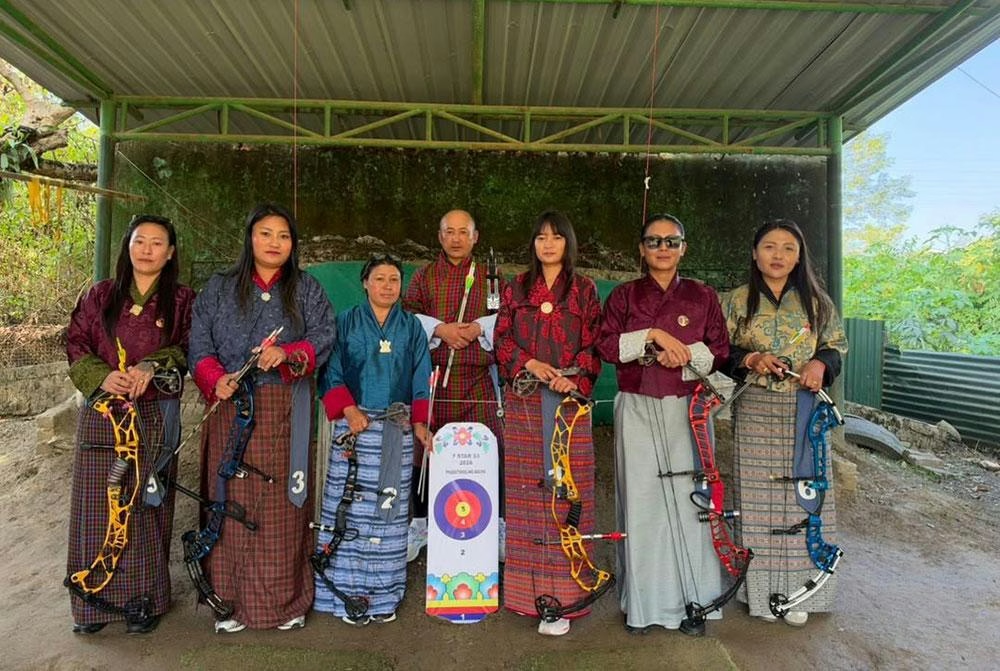
By 2024, progress became undeniable. The Coronation Silver Jubilee National Archery Tournament in Thimphu featured 12 female archers competing alongside men—a significant increase that reflected growing confidence and opportunity. Even more telling, the Sacho 7-Star Open Archery Tournament witnessed a dramatic shift: after attracting just one female participant in each of its first two seasons, the third edition drew seven women competitors.
While these numbers might seem modest in a global context, they represent meaningful cultural change in a traditionally conservative sporting environment. Each new female archer represents a family decision, often involving navigating social expectations and securing support from relatives and communities.
Breaking Through Barriers: The Personal Stories Behind the Statistics 💪
Tandin Pem's journey illustrates the evolving landscape beautifully. She began competing in mixed-gender teams in 2019, then made a bold move in 2022 by forming all-women archery teams. Her experience highlights both progress and persistent challenges—while the Bhutan Olympic Committee now actively supports female participation, long-term sustainable opportunities remain limited.
Beyond competition, Pem emphasizes what many female archers discover: archery provides homemakers and working women with invaluable social connection, stress relief, and mental wellness benefits. The sport becomes a space for self-expression and community building, extending its value far beyond tournament victories.
Tshering Dema's experience resonates with many women entering competitive archery. Initial intimidation when facing male competitors gradually transformed through consistent participation in tournaments across Bhutan and neighboring Sikkim. Her hard-won confidence led to a crucial realization: "What matters most in archery is skill, focus, discipline and consistency rather than gender."
Sonam Choden represents a different demographic—someone who pursued competitive archery later in life after raising children. Though she once harbored Olympic dreams, limited exposure and competing family responsibilities had sidelined those aspirations. Now, with her children grown and her husband's encouragement, she's embraced competitive compound archery with renewed passion.
Shifting Perceptions: From Criticism to Acceptance 🌟
Leki Wangmo from Paro provides candid insight into the social resistance women faced when entering a male-dominated sport. She recalls facing public criticism and encountered a particularly frustrating dynamic: when women defeated male competitors, media and public attention focused on the men's losses rather than celebrating women's achievements.
Progress has been incremental but real. Compound bows have proven especially welcoming to female competitors—the mechanics of these modern bows require less physical effort to hold at full draw compared to traditional bamboo bows (Pakshing), making them more accessible to athletes with varying physical capabilities.
Women's increased visibility has also transformed the celebratory culture surrounding archery. Karma Tshering Dorji, a male archer who transitioned from traditional to compound archery, observed that "even the celebrations after a successful shot have changed, with men and women now joining in the singing and dancing. It has made the sport more inclusive and enjoyable."
The Technical Transition: Skills That Transfer Across Disciplines ⚡
Sherab Zam's background in recurve archery provided technical foundation for her transition to compound archery. Her understanding of shooting techniques, precision aiming, and mental concentration proved transferable—core skills that transcend equipment differences.
Her experience highlights an important reality: women entering archery aren't starting from zero. Many bring athletic backgrounds, mental discipline, and genuine passion for precision sports. The challenge isn't capability; it's opportunity and recognition.
Persistent Challenges: The Recognition Gap 🎯
Despite measurable progress, significant obstacles remain. Female archers frequently receive less media attention and public recognition than their male counterparts, even when delivering equivalent performances. This recognition gap affects sponsorship opportunities, career prospects, and the motivation of younger girls considering the sport.
Sherab Zam articulates the fundamental principle that should guide sports development: "Both male and female athletes should receive equal opportunities, support and recognition based on their performance, dedication and achievements, regardless of gender."
The practical barriers are equally important. Beginners—particularly women entering a traditionally male space—need access to quality coaching, accessible training facilities, and consistent competitive opportunities. Without these foundational supports, talent development stalls and participation plateaus.
What Needs to Happen Next: Building Sustainable Progress 🚀
The archery community has demonstrated that male athletes can actively support women's participation. Experienced male archers have helped women understand competition rules, shooting sequences, and tournament protocols. This collaborative spirit provides hope for continued integration.
Moving forward, several elements deserve priority attention:
- Coaching and Mentorship: Establishing formal coaching programs specifically designed for women archers, with both female and male mentors sharing expertise
- Facility Access: Ensuring women have equal access to training ranges and practice facilities during convenient hours
- Media Coverage: Intentionally highlighting women's achievements and performances with the same enthusiasm given to male competitors
- Sponsorship Pathways: Creating opportunities for female archers to secure financial support for training and competition participation
- Youth Development: Introducing archery to girls at younger ages through school programs and community initiatives
The Bigger Picture: Gender Equality in Bhutanese Sports 🌍
Women's increasing participation in archery reflects broader conversations about gender equality in Bhutanese sports and society. The nation has positioned itself as progressive on gender issues, and supporting women's athletic participation aligns with these values.
The archery community's experience offers lessons applicable across sports: cultural change requires institutional support, visible role models, and gradual shifts in social perception. It demands both formal policy changes and informal cultural evolution.
Looking Forward: The Future of Women in Bhutanese Archery ✨
Women remain a minority in Bhutanese archery, yet their presence represents unmistakable progress toward greater gender equality in the national sport. Each tournament featuring female competitors, each woman achieving personal bests, each young girl inspired to pick up a bow—these represent incremental steps toward a more inclusive sporting culture.
The journey from sideline supporter to competitive archer isn't merely about individual achievement. It's about transforming cultural narratives, proving that skill and determination transcend gender, and creating space for future generations of women to pursue their athletic passions without apology.
The targets await. The arrows are ready. And increasingly, the hands drawing the bowstrings belong to women determined to leave their mark on Bhutan's beloved national sport.
You May Also Like
Sports
Chimi Dema Completes IPC Para Athlete Professionals Course
November 23, 2026
Sports
Bhutan U-17 Football Team Ends AFC Qualifiers Without Victory
November 21, 2026
Sports
Bhutanese Para-Athletes Train in South Korea
November 18, 2026
Sports
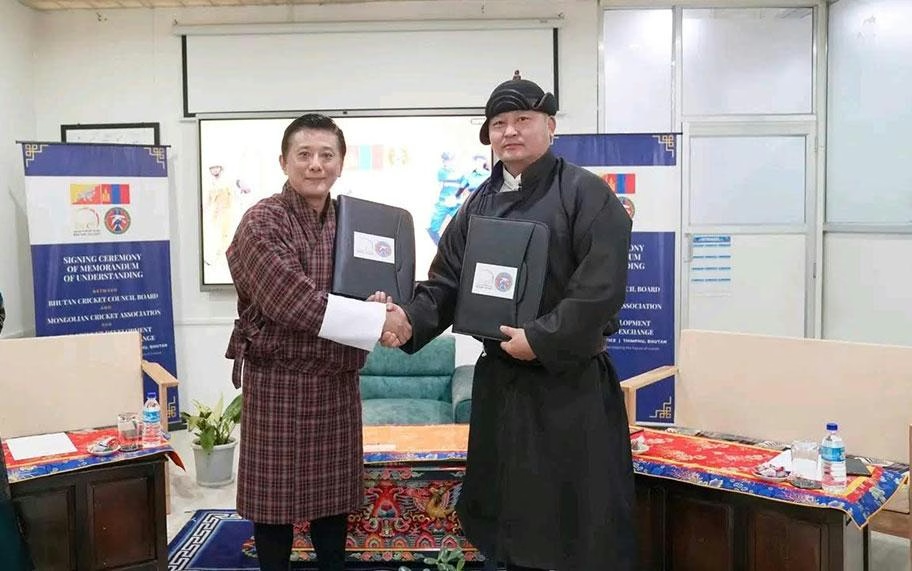
Bhutan and Mongolia Launch Historic Cricket Partnership
November 18, 2026