Category:
SportsBhutanese Para-Athletes Train in South Korea
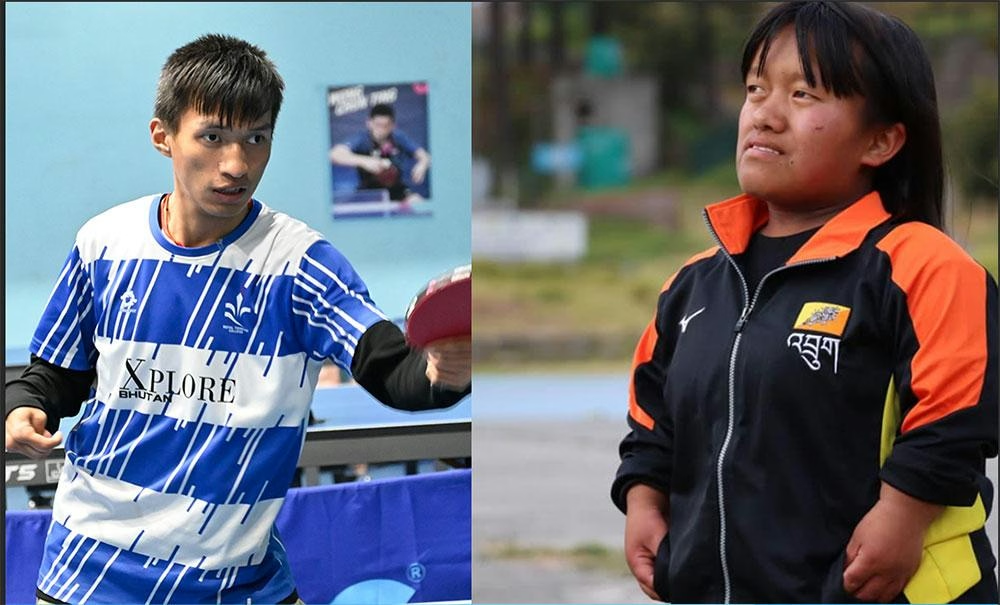
Breaking Barriers: Bhutan's Para-Athletes Pursue International Excellence 🌟
In a significant milestone for the nation's para-sports development, two exceptional Bhutanese athletes have embarked on a transformative journey to South Korea. This international training opportunity represents a crucial step forward for a country working to strengthen its competitive para-sports infrastructure and expand opportunities for athletes with disabilities.
The athletes—Sangay Nidup and Ugyen Sonam Choden—are participating in the Korean Paralympic Committee Youth Para Sport Camp 2026, a prestigious program designed to nurture emerging talent and expose young para-athletes to world-class coaching and competitive environments. This initiative underscores the growing recognition that international exposure is essential for developing elite para-athletes in smaller nations.
The Training Camp Experience 🏅
A Gateway to Global Standards
The Korean Paralympic Committee's youth camp offers far more than routine training sessions. Participants benefit from instruction by national coaches and seasoned para-athletes who bring decades of competitive experience. The program emphasizes technical refinement, tactical sophistication, and exposure to training methodologies used by leading international competitors.
For Bhutanese para-athletes, this represents an invaluable opportunity. The nation currently has only 21 registered para-athletes, with 15 actively competing in organized para-sports. This limited athlete pool creates significant challenges for skill development, as competitors lack regular access to diverse opponents and training partners at similar or higher performance levels.
Why International Training Matters
Para-sports disciplines like table tennis and badminton demand constant exposure to varied playing styles and competitive pressures. Athletes cannot develop advanced tactical abilities or refine complex techniques without regularly facing different opponents and coaching perspectives. The Bhutan Paralympic Committee recognized this critical gap and actively pursued international partnerships to bridge the training void.
The camp addresses several key developmental areas:
- Technical skill enhancement through specialized coaching from elite instructors
- Tactical game awareness by studying international players' strategies
- Competitive mental preparation in high-pressure training environments
- Cross-cultural athletic exchange fostering global para-sports connections
- Confidence building through exposure to world-class competition standards
Sangay Nidup's Para-Table Tennis Journey 🏓
From Passion to International Opportunity
Sangay Nidup's story exemplifies the determination required to excel in para-sports within a resource-limited context. A student at Draktsho Vocational Training Institute in Thimphu, Nidup discovered his passion for table tennis in 2018. However, his early years involved sporadic training and limited competitive opportunities—a common challenge for para-athletes in developing nations.
The turning point came approximately four to five months before his departure for South Korea, when he intensified his commitment under the guidance of coach Namgay Dorji. This focused preparation period proved transformative, allowing Nidup to develop fundamental technical competencies including forehand topspin execution, service variations, and basic tactical game knowledge.
Breaking Through Isolation
"I have always been waiting for an opportunity like this, hoping that one day I would get the chance to attend an international training camp or participate in an international tournament," Nidup expressed with palpable enthusiasm. His sentiment captures the reality facing Bhutan's para-athletes: exceptional talent and determination often go unfulfilled due to limited competitive pathways.
Currently, Nidup stands as Bhutan's only para-table tennis athlete engaged in regular competitive training. This distinction carries both honor and isolation—while it reflects his unique position in the nation's para-sports ecosystem, it also highlights the scarcity of local competition and training partners.
Coach's Perspective on Development
Namgay Dorji, who transitioned from coaching able-bodied athletes to working with para-athletes, offers valuable insights into the coaching challenges and opportunities. He identifies Nidup's most significant asset as his unwavering passion for the sport and genuine eagerness to learn and improve.
However, Dorji also recognizes developmental areas requiring focused attention:
- Reflex speed and reaction timing in fast-paced rallies
- Technique acquisition rate and adaptability to new playing methods
- Consistency through repetition requiring patient, methodical instruction
- Individual learning requirements distinct from able-bodied athlete coaching
Dorji emphasizes that coaching para-athletes demands distinct pedagogical approaches: simplified instructional language, visual demonstrations repeated multiple times, and individualized attention tailored to each athlete's specific needs and learning style.
Ugyen Sonam Choden's Para-Badminton Transition 🏸
Expanding into New Sporting Horizons
While Sangay Nidup pursues mastery in table tennis, Ugyen Sonam Choden embarks on an entirely different sporting adventure. A student at Yangchen Gatshel Middle Secondary School in Thimphu, Choden brings valuable competitive experience from her background in para-athletics. The Bhutan Paralympic Committee strategically identified her as a candidate for para-badminton, recognizing her athletic foundation and potential to contribute to expanding participation in this discipline.
Choden's transition represents a deliberate strategic decision by national para-sports administrators. Rather than remaining confined to athletics, the committee assessed her capabilities and encouraged exploration of para-badminton—a sport requiring distinct skill sets but benefiting from her established athletic conditioning and competitive mindset.
Navigating New Challenges
"My experience in para-athletics motivated me to explore another sport and challenge myself. Para-badminton is a new learning experience for me," Choden explained. Her willingness to venture into unfamiliar territory demonstrates the adaptability and growth mindset essential for para-athletes in developing nations.
Choden candidly acknowledges the obstacles she faces: limited training infrastructure in Bhutan, restricted access to experienced para-badminton coaches, and insufficient competitive opportunities against skilled opponents. Yet these challenges have not diminished her determination to develop expertise in her new discipline.
Support System and Expectations
Ran Maya Tamang, accompanying Choden to South Korea, serves as a mentor and training support. Tamang emphasizes that Choden's para-athletics background provides crucial advantages—superior physical conditioning, competitive experience, and psychological resilience developed through elite-level training.
Tamang identifies specific development priorities for Choden's badminton journey:
- Court movement and positioning fundamentals
- Badminton-specific technical skills including strokes and footwork
- Match strategy and tactical game awareness
- Confidence building through competitive match experience
- Adaptation to international playing styles and opponent diversity
Bhutan's Para-Sports Landscape 🇧🇹
Current Status and Challenges
Bhutan's para-sports ecosystem, while growing, faces significant structural constraints. With only 21 registered para-athletes and 15 actively competing, the nation operates with an exceptionally limited athlete pool compared to regional neighbors. This scarcity creates a vicious cycle: fewer athletes means less regular competition, which hampers skill development, which discourages new athletes from pursuing para-sports careers.
The geographical isolation of Bhutan—nestled in the eastern Himalayas—compounds these challenges. International competition and training exposure require significant travel, time commitment, and financial resources. Consequently, many talented para-athletes never access the high-level competitive environments necessary for reaching elite performance standards.
Strategic International Partnerships
The Korean Paralympic Committee's support for this training camp exemplifies the collaborative approach Bhutan is pursuing. By leveraging international partnerships, the nation's para-sports administrators create pathways for athletes to access world-class coaching and competitive exposure without establishing entirely new domestic infrastructure.
This strategy aligns with broader global trends in para-sports development. Many smaller nations have discovered that strategic international partnerships provide cost-effective mechanisms for athlete development, particularly for sports requiring specialized coaching expertise and competitive depth.
The Broader Significance 💡
Para-Sports in Bhutan's National Context
Para-sports development reflects Bhutan's evolving commitment to inclusive athletic opportunity and disability rights. The nation's emphasis on Gross National Happiness—prioritizing citizen wellbeing over economic metrics—extends naturally to ensuring athletes with disabilities receive equitable access to training and competition.
The participation of these two athletes in international training camps signals governmental and institutional recognition that para-sports merit investment and support comparable to traditional athletic programs.
Regional Development Trends
Across South and Southeast Asia, para-sports participation has expanded dramatically over the past decade. Countries like India, Thailand, and Indonesia have invested substantially in para-athlete development, recognizing both the humanitarian value and international competitive potential. Bhutan's active engagement in this regional movement positions the nation as a committed participant in the broader Asian para-sports ecosystem.
Looking Forward: Expectations and Impact 🚀
Immediate Training Outcomes
Both athletes anticipate substantial skill development during their time in South Korea. Sangay Nidup expects the camp to strengthen his technical table tennis abilities and deepen his tactical understanding through exposure to international coaching methodologies and elite-level players.
Ugyen Sonam Choden similarly anticipates significant improvement in badminton techniques, court movement, and strategic game awareness. Training alongside international athletes and experienced coaches will provide invaluable competitive context unavailable in Bhutan.
Long-Term Para-Sports Development
Beyond individual athlete development, this training camp initiative carries implications for Bhutan's entire para-sports ecosystem. Successful experiences by Nidup and Choden will likely inspire additional athletes to pursue para-sports careers and demonstrate to government and institutional leaders that international investment in para-athlete development yields tangible returns.
The athletes' anticipated improved performance levels may also enhance Bhutan's competitive standing in regional and international para-sports competitions, elevating national visibility and attracting additional international support and sponsorship opportunities.
Conclusion: Building Momentum 🌈
The participation of Sangay Nidup and Ugyen Sonam Choden in South Korea's premier para-sports training camp represents far more than a single opportunity for two talented athletes. It symbolizes Bhutan's strategic commitment to developing competitive para-sports excellence despite significant resource constraints.
These athletes embody the determination, passion, and resilience that characterize para-athletes worldwide. Their willingness to pursue excellence despite limited domestic opportunities inspires confidence that Bhutan's para-sports movement will continue expanding and strengthening.
As Nidup and Choden return from their international training experience with enhanced skills, refined techniques, and expanded competitive confidence, they will serve as ambassadors for para-sports development within Bhutan. Their success stories will likely motivate additional athletes to pursue para-sports careers and encourage continued institutional investment in creating pathways for athletes with disabilities to achieve their full potential.
The journey toward para-sports excellence in Bhutan has clearly begun—and these two athletes are leading the way forward.
You May Also Like
Sports
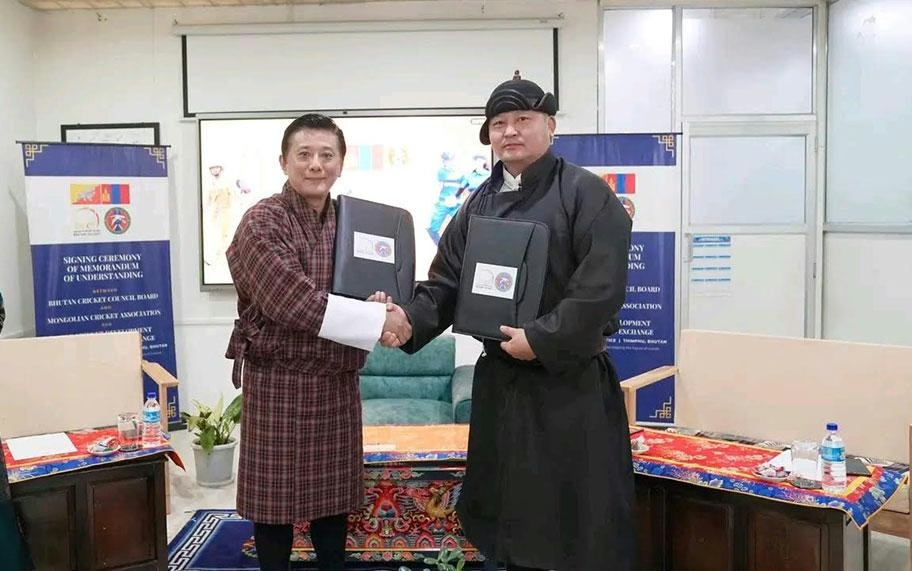
Bhutan and Mongolia Launch Historic Cricket Partnership
November 18, 2026
Sports
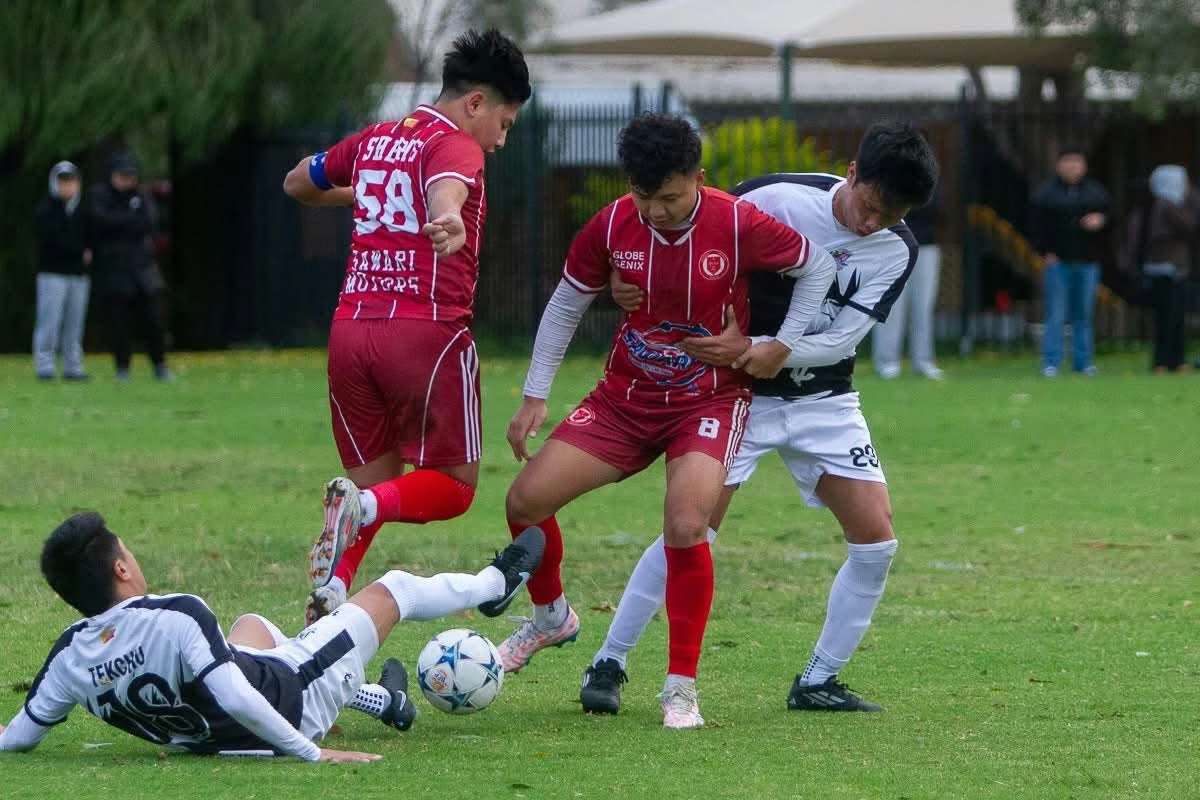
Sherig United Perth Dominates 2026 Season with Three Title Wins
November 14, 2026
Sports
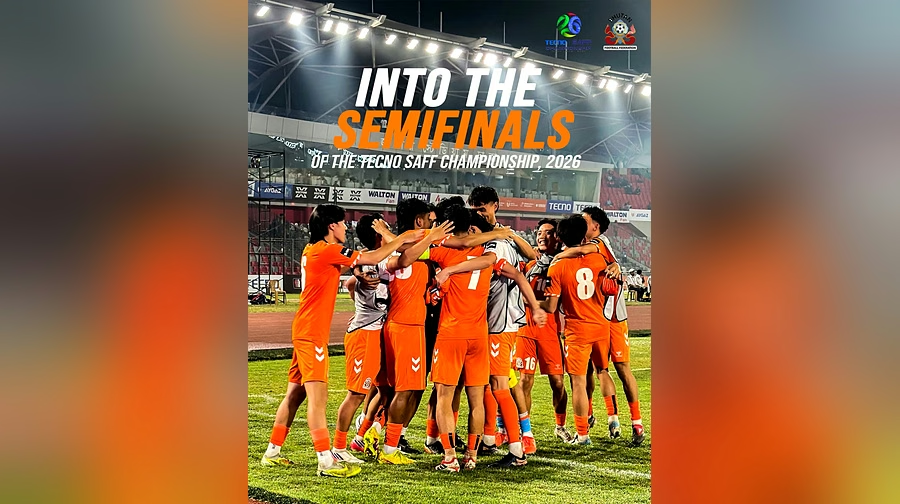
Bhutan's Historic SAFF Championship Semifinal Return
November 12, 2026
Sports
Bhutan Reaches SAFF Championship Semi-finals After 18 Years
November 12, 2026