Category:
NewsWFP Donates Nu 4.2M for Bhutan's Disaster Readiness
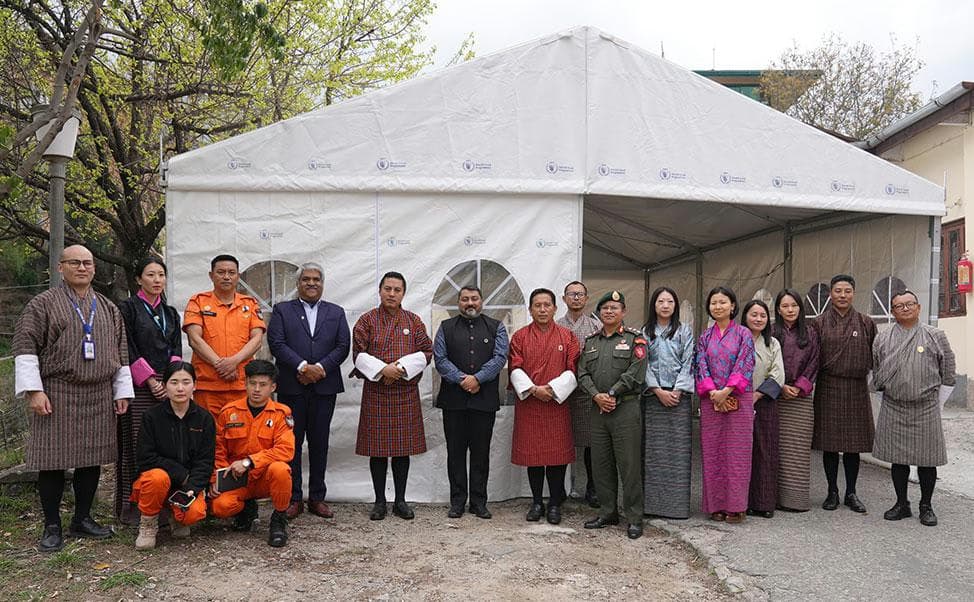
In a significant boost to Bhutan's emergency preparedness, the United Nations World Food Programme (WFP) has donated 13 mobile storage units (MSUs) worth Nu 4.2 million to the Department of Local Governance and Disaster Management (DLGDM) in Thimphu. This strategic move aims to enhance the nation's capacity to respond effectively to natural disasters, ensuring that communities, especially those in remote areas, have timely access to essential services and supplies.
The Importance of Disaster Preparedness 📦
Bhutan, a country nestled in the Himalayas, is no stranger to natural calamities. With its location in a seismically active zone and vulnerability to climate-related risks, the nation faces numerous challenges, including earthquakes, glacial lake outburst floods (GLOFs), and seasonal monsoons. The recent donation by the WFP is a proactive step towards mitigating these risks by providing essential infrastructure for disaster response.
Multifunctional Mobile Storage Units
The MSUs donated by the WFP are versatile structures that can be deployed as food storage facilities, distribution points, or emergency operation centers during crises. Their flexibility ensures that they can be tailored to meet the specific needs of any disaster scenario, playing a crucial role in the logistics of emergency management.
- Food Storage: Ensures food security during emergencies
- Distribution Points: Facilitates the delivery of aid to affected areas
- Emergency Operations Center: Provides a base for coordination of relief efforts
Bhutan's Vulnerability to Natural Hazards 🌍
According to the National Center for Seismology, Bhutan has experienced numerous seismic activities, making earthquake preparedness a priority. Additionally, the country has recorded 567 glacial lakes, with 17 identified as potentially dangerous. The history of 21 GLOFs serves as a stark reminder of the risks posed by climate change and the importance of robust preparedness measures.
Challenges in Disaster Management
Despite advancements in early warning systems, Bhutan's disaster readiness faces several challenges:
- Remote Communities: Difficulty in disseminating timely alerts
- Local-Level Preparedness: Limited capacity for drills and response
- Infrastructure Integration: Weak incorporation of disaster risk data in planning
- Resource Constraints: Limited emergency resources
Strengthening National Efforts 💪
The WFP's initiatives in Bhutan have laid a strong foundation for improved disaster management. Last year, a nationwide Emergency Logistics Capacity Assessment was conducted, mapping critical infrastructure to better coordinate disaster response. This assessment has been instrumental in enhancing collaboration across government agencies.
Training and Capacity Building
WFP's ongoing programs have provided emergency preparedness training to over 40 frontline responders from key government institutions. These efforts are complemented by the launch of the Emergency Logistics Preparedness Procurement Manual 2026, which aims to standardize and enhance procurement processes for disaster response across all 20 dzongkhags.
Government and Community Initiatives 🚀
The Bhutanese government, in collaboration with DLGDM, has been proactive in implementing community-based disaster risk management programs. Recent initiatives include:
- Community Action for Disaster Response: Engaging local communities in Merak Gewog, Trashigang
- Training of Facilitators: Conducting simulation exercises and first aid training in Chukha
- Earthquake Contingency Plan: Tabletop simulation exercises in Thimphu
Looking Forward 🌟
The donation of mobile storage units by the WFP symbolizes a significant step towards bolstering Bhutan's disaster resilience. As Bhutan continues to face the challenges posed by natural disasters, the collaboration between international organizations and local government agencies will be crucial. By building on these efforts, Bhutan can not only mitigate the impacts of disasters but also ensure a safer future for its communities.
In conclusion, while disasters cannot be completely prevented, their impact can be significantly reduced through strategic planning, preparedness, and effective response mechanisms. The WFP's donation is a testament to the importance of international cooperation in building a resilient future for Bhutan.
You May Also Like
News
Women Entrepreneurs Master AI and Digital Tools in Phuentsholing
September 1, 2026
News
Can Samtse Keep Up With Its Growing Workforce?
August 29, 2026
News
Nepal Flood Exposes Critical Gaps in Bhutan's Early Warning Systems
August 29, 2026
News
High Court Overturns Acquittal: Doctor Sentenced to 10 Years for Child Sexual Abuse
August 29, 2026