Category:
NewsChain-Link Fencing: A Double-Edged Sword
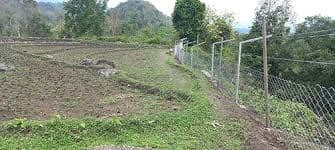
In the picturesque landscapes of Bhutan, a silent battle rages on between farmers and wildlife. This conflict, known as human-wildlife conflict (HWC), has pushed policymakers to adopt chain-link fencing as a defensive measure. While these fences offer a beacon of hope for many farmers, they also introduce complex challenges that need to be addressed. 🌾🐾
Chain-Link Fencing: A Shield for Farmers
Chain-link fencing has emerged as a crucial tool in combating HWC. With over 1,107 kilometers of fencing installed by the 2025–26 fiscal year, this initiative has safeguarded approximately 31,121 acres of farmland. This protection benefits around 12,907 households, significantly reducing wildlife threats. 🛡️
The financial investment in this initiative is substantial, costing the government approximately Nu 1.66 billion. Despite the high cost, the fences provide much-needed security for farmers who have suffered crop losses year after year due to wildlife depredation. Between 2013 and 2017 alone, Bhutan lost nearly 8,000 metric tonnes of agricultural produce to such conflicts. 📉
The Cost of Protection: A Divisive Policy
However, the chain-link fencing policy is not without its drawbacks. Under the Chain-Link Fencing Implementation Guidelines 2024, only communities with landholdings of 30 acres or more qualify for government support. This criterion, while economically rational, creates a divide among farming communities. 🌍
Winners and Losers
The policy inadvertently segments farmers into two groups: those protected by fencing and those who remain vulnerable. As wildlife avoids fenced areas, they turn to unprotected neighboring farms, escalating conflicts in those regions. Thus, one community's gain translates to another's loss. 🤝❌
A Need for Inclusive Policies
The current policy approach, which rigidly excludes smaller, vulnerable communities, contradicts the essence of rural support initiatives. A more flexible strategy, taking into account local wildlife pressures regardless of farm size, could ensure more equitable protection. 🔄
Exploring Alternatives: Insurance and Beyond
The government has proposed crop and livestock insurance as an alternative to physical barriers. However, the National Crop and Livestock Insurance Scheme has yet to gain traction, with only about 100 farmers registering since its inception. This lack of uptake highlights the need for more effective and appealing solutions. 📊
The Rural Exodus
The challenges extend beyond policy. Rural Bhutan faces demographic shifts with an ageing population as youth migrate to urban areas or abroad. This leaves agriculture increasingly in the hands of elderly farmers and women. Requiring these communities to contribute labor for fence installation is becoming impractical. 🚜
The Path Forward: Strong Fences and Stronger Policies
Chain-link fencing, while necessary, is not a panacea. Policymakers must balance wildlife protection with social equity, ensuring no community is left behind. Future policies should promote both physical protection and socio-economic resilience.
Key Takeaways
- Balanced Policies: Develop flexible guidelines that consider local conditions, not just acreage size.
- Community Support: Enhance insurance schemes and explore alternative support mechanisms.
- Demographic Considerations: Address the challenges posed by an ageing rural populace.
As Bhutan continues to navigate the complexities of HWC, the focus should be on building not just fences, but a sustainable future for all its communities. 🌟
You May Also Like
News
Women Entrepreneurs Master AI and Digital Tools in Phuentsholing
September 1, 2026
News
Can Samtse Keep Up With Its Growing Workforce?
August 29, 2026

News
Nepal Flood Exposes Critical Gaps in Bhutan's Early Warning Systems
August 29, 2026
News
High Court Overturns Acquittal: Doctor Sentenced to 10 Years for Child Sexual Abuse
August 29, 2026