Category:
NewsGoleng Decline Threatens Brokpa Livelihoods
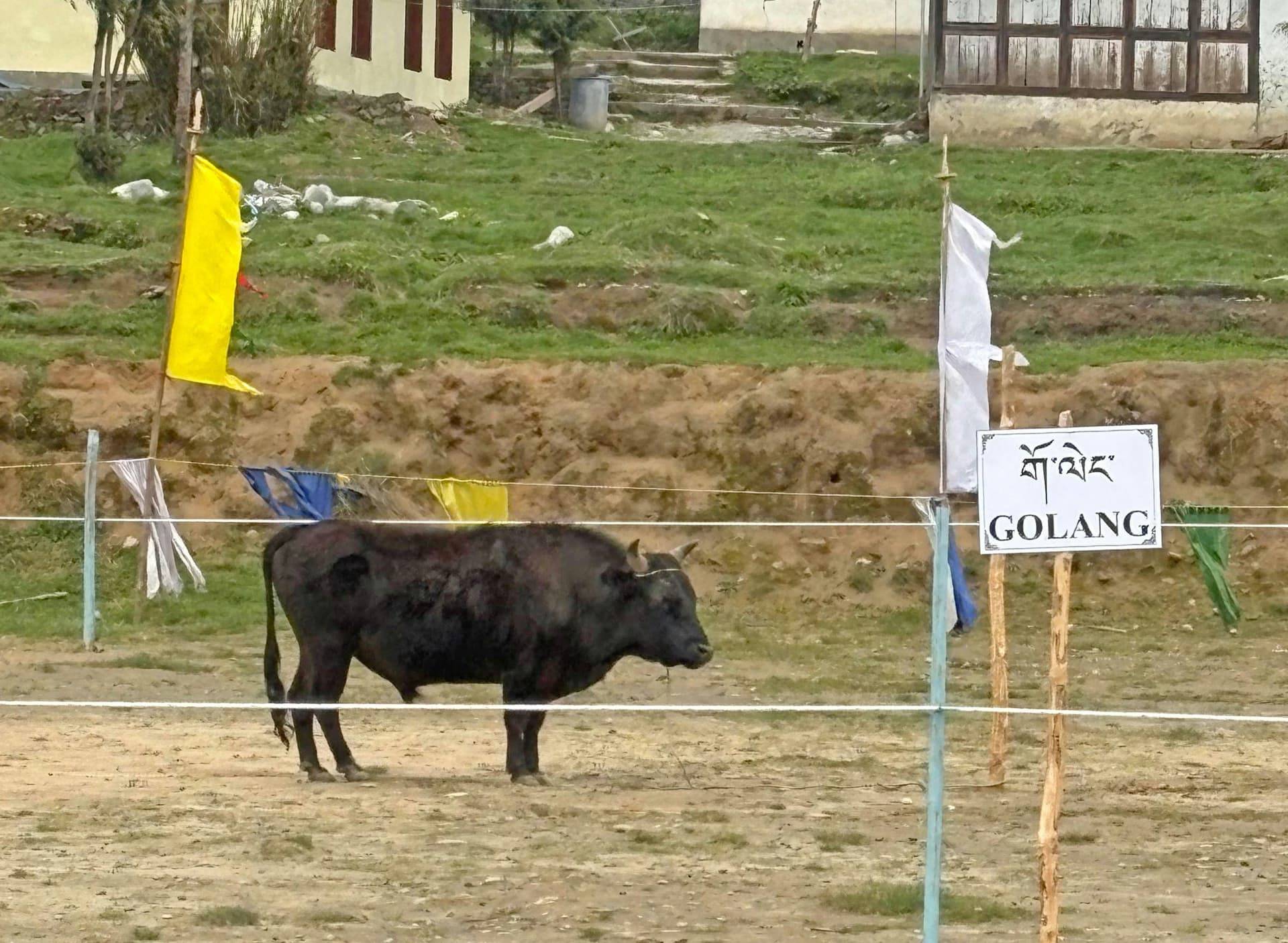
The Brokpa communities of Merak and Sakteng in Bhutan are witnessing a critical challenge as the indigenous Goleng cattle population continues to dwindle. 🐄 Once a staple of their pastoral livelihood, the decline of these animals poses significant threats to their economic and cultural fabric.
The Significance of Goleng Cattle
Goleng cattle, a traditional breed unique to these highland regions, have long been integral to the Brokpa way of life. They serve not just as a source of livelihood but also hold cultural and religious importance. However, over recent years, their numbers have been on a steady decline.
Statistical Overview 📊
- Merak: Goleng numbers fell from 148 in 2024 to 132 in 2025.
- Sakteng: A decrease from 135 to 123 in the same period.
- Total Decline: Combined figures show a reduction from 283 to 255.
This sharp decline is alarming for the Brokpa communities who rely on these animals for sustenance and income.
Challenges Facing Brokpa Pastoralists
Changing Priorities and Economic Pressures 💼
One of the primary reasons for the decline is a shift in pastoral priorities. Many herders, like Tashi Wangdi, have noted that maintaining Goleng cattle requires more labor compared to yaks or Dzo/Dzom hybrids, which are rapidly becoming the preferred livestock due to their higher milk production.
Climate and Environmental Concerns 🌍
The effects of climate change have further exacerbated the situation. Rising temperatures and pasture degradation have forced herders to migrate their livestock to lower altitudes, where Goleng cattle struggle to thrive. This has inadvertently made the more adaptable Dzo/Dzom hybrids a more attractive option.
The Economic Shift to Dzo/Dzomo
Dzo/Dzomo cattle are increasingly favored by Brokpa herders because of their superior dairy production capabilities. A Dzom can produce up to 5 liters of milk per day, significantly more than the traditional yak, making them economically advantageous.
Dairy Production Benefits
- Milk Production: Dzom yield between 4-5 liters daily, twice a yak's output.
- Dairy Products: 10 Dzom can produce 450 kg of butter and 650 kg of cheese, exceeding yak production.
This shift is reflected in the growing Dzo/Dzomo population, which surged from 8,109 in 2025 to 12,318 in 2026 across Merak and Sakteng.
Conservation Efforts Underway 🌱
Recognizing the critical need to preserve the Goleng breed, local authorities have proposed the establishment of a dedicated conservation farm. The plan aims to:
- Develop sustainable breeding practices
- Enhance feeding, housing, and healthcare management
- Train herders in advanced livestock management
- Supply necessary veterinary medicines and equipment
Senior Livestock Health Supervisor Nima Dorji emphasizes that the farm's goal is to pull Goleng cattle back from the brink and reinvigorate the broader livestock ecosystem.
Broader Implications for Bhutan
The decline of Goleng cattle is not an isolated issue but part of a broader trend affecting Bhutan's pastoral communities. As the nation grapples with climate change and economic modernization, traditional livelihoods face new pressures.
National Impact
- Livestock Breeding: The potential disappearance of Goleng cattle threatens the genetic pool necessary for breeding Dzo/Dzom.
- Cultural Heritage: Loss of traditional livestock impacts cultural customs and practices.
Conclusion: Navigating the Future 🚀
The Brokpa communities are at a crossroads, balancing the preservation of their cultural heritage with the demands of modernity. Efforts to conserve Goleng cattle are a critical step toward sustainable pastoral practices. For Bhutan, these initiatives underscore the importance of integrating traditional knowledge with innovative solutions to safeguard both livelihoods and cultural identity.
As these communities navigate these challenges, the broader Bhutanese society will need to support and adapt, ensuring a harmonious coexistence between tradition and progress.
You May Also Like
News
Women Entrepreneurs Master AI and Digital Tools in Phuentsholing
September 1, 2026
News
Can Samtse Keep Up With Its Growing Workforce?
August 29, 2026
News
Nepal Flood Exposes Critical Gaps in Bhutan's Early Warning Systems
August 29, 2026
News
High Court Overturns Acquittal: Doctor Sentenced to 10 Years for Child Sexual Abuse
August 29, 2026