Category:
EnvironmentTransforming Kitchen Waste into Green Gold
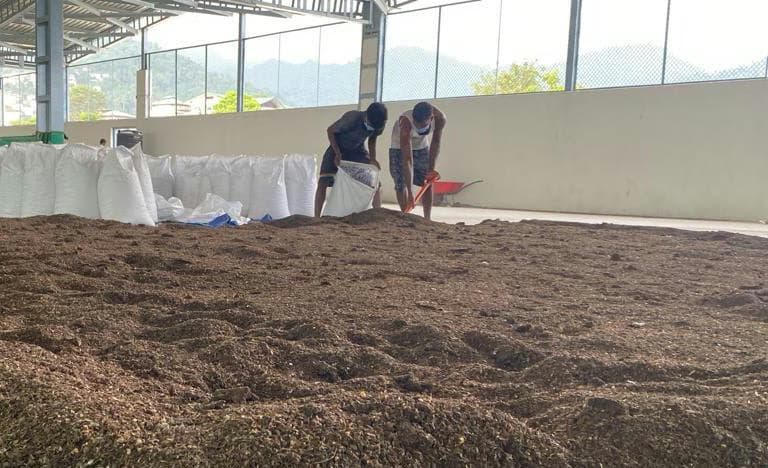
The Hidden Value of Kitchen Waste 🌿
In the bustling town of Phuentsholing, Bhutan, an exciting transformation is taking place. At the heart of this transformation is the Material Recovery Facility (MRF), where what was once seen as useless waste is being turned into something invaluable—organic compost. This shift not only addresses waste management but also contributes to the environment by enriching the soil, often dubbed as turning 'kitchen waste into green gold.'
Composting: A Step Towards Sustainability 🌱
Every day, approximately 9 to 10 metric tonnes of wet waste make their way to the MRF. This waste includes vegetable peels, leftover food, and spoiled fruits gathered from households and local businesses. Instead of ending up in landfill sites, this biodegradable waste undergoes a meticulous process of decomposition, eventually emerging as nutrient-rich organic compost.

The composting process involves controlled treatment to ensure that the end product is both effective and safe for use. This initiative is spearheaded by Samsara Trash Solution, under the guidance of its founder, Jamtsho Dukpa, who is dedicated to promoting sustainable waste management practices.
The Benefits of Composting 🌍
Composting offers several environmental benefits:
- Reduces Landfill Use: By diverting organic waste from landfills, composting reduces methane emissions and saves valuable landfill space.
- Enriches Soil: The compost produced is rich in essential nutrients, improving soil structure and fertility.
- Supports Local Agriculture: Farmers benefit from high-quality compost, reducing dependency on chemical fertilizers.
A Model for Urban Waste Management 🏙️
As urban populations grow, the challenge of managing waste sustainably becomes more pressing. Phuentsholing's approach serves as an exemplary model for other urban areas. The Gelephu Mindfulness City project is one such initiative benefiting from this compost, using it for landscaping and beautification efforts.
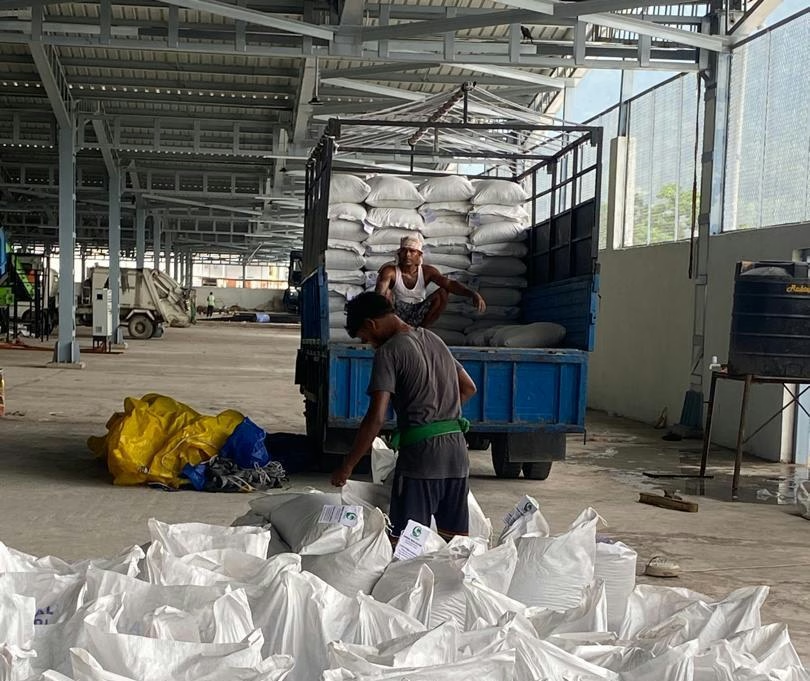
The Road Ahead: Expanding the Impact 🚀
The impact of composting extends beyond immediate environmental benefits. It fosters a culture of recycling and sustainability. Jamtsho Dukpa plans to further expand this initiative by preparing additional compost for future landscaping and agricultural needs. His vision includes supplying compost at minimal cost to farmers, thereby supporting local agriculture sustainably.
Conclusion: A Green Future 🌿
The journey from kitchen waste to green gold is a testimony to the power of innovative waste management solutions. It highlights how a community-driven approach can lead to significant environmental benefits and sustainable practices. As more cities embrace this model, the vision of a greener, more sustainable future becomes a reality.
Embrace the transformation today, and contribute to turning waste into a resource that nurtures our planet!
You May Also Like
Environment
Climate Crisis in the Himalayas: Bhutan's Cold Reminder
August 29, 2026
Environment
WBH Conservation Project Delivers Clean Water to Rural Homes
August 29, 2026
Environment
HKH Climate Crisis: Why Regional Unity Matters Now
August 29, 2026
Environment
Bhutan's Solar Power Revolution: Energy Security Strategy
August 26, 2026