Category:
TourismDorji Dhradhul: Architect of Bhutan's Tourism Philosophy
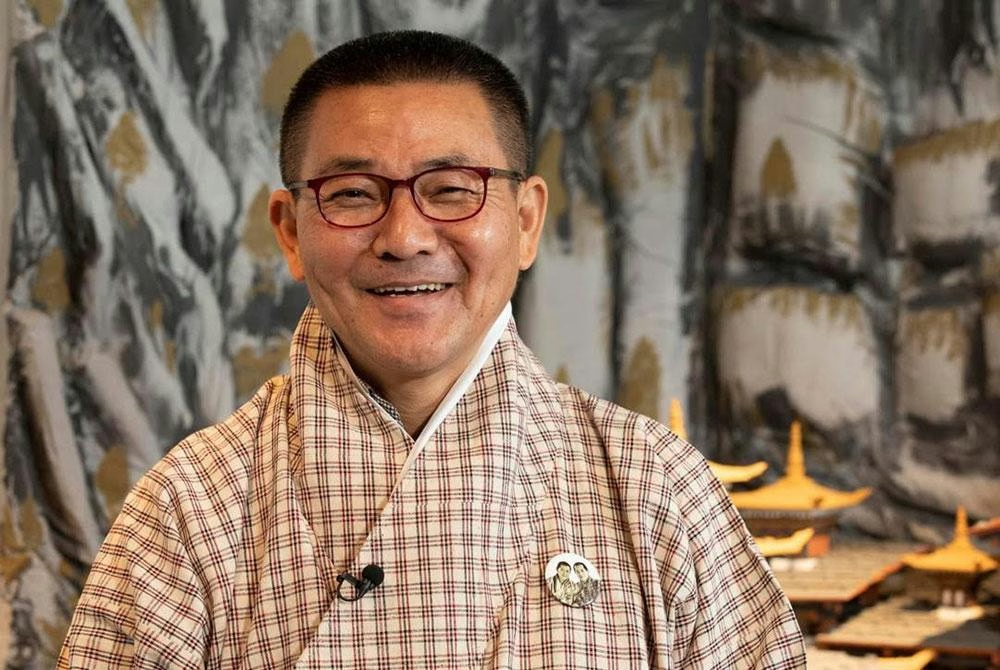
A Visionary Leader Reshaping Global Tourism Standards 🌍
In an era where mass tourism threatens the integrity of destination cultures and environments, one leader stands out for championing a radically different approach. Dorji Dhradhul, the former Director General of Bhutan's Tourism Council, has been recognized internationally for his transformative work in establishing and promoting a tourism model that prioritizes sustainability over volume. This distinction places him among 13 distinguished figures celebrated by Travel + Leisure Legends for reshaping South Asia's tourism landscape.
The recognition represents more than personal accolade—it validates an entire nation's philosophical commitment to redefining what successful tourism means in the 21st century.
Understanding Bhutan's "High Value, Low Volume" Philosophy 💎
Bhutan's tourism approach fundamentally challenges conventional wisdom. Rather than competing for maximum visitor numbers, the nation has engineered a system where quality supersedes quantity, and sustainability guides every decision.
This philosophy emerged from necessity and vision. Since welcoming international visitors in 1974, Bhutan recognized that uncontrolled tourism could devastate its pristine Himalayan environment and unique cultural fabric. The government therefore established guardrails that would protect what makes Bhutan exceptional while still generating economic benefits.
"The genius of High Value, Low Volume lies in its simplicity: tourism should create value for everyone it touches—the visitor, host community, nation, and ultimately the planet," Dhradhul explains. This principle has become Bhutan's defining competitive advantage in an increasingly crowded global tourism marketplace.
How the Model Works in Practice
The framework operates through several interconnected mechanisms:
- Sustainable Development Fee: A mandatory tariff ensuring tourism revenue directly funds conservation and community development
- Limited visitor capacity: Controlled entry points prevent overcrowding and environmental strain
- Curated experiences: Tourism offerings emphasize cultural immersion, wellness, and authentic connections rather than superficial attractions
- Local economic integration: Requirements that tour operators employ local guides, source from local businesses, and support community enterprises
These mechanisms work synergistically to ensure tourism becomes a force for positive change rather than exploitation.
Dorji Dhradhul's Leadership During Critical Transitions ⚡
Dhradhul assumed leadership of Bhutan's tourism authority in 2019, a pivotal moment when the sector was experiencing steady growth and increasing international recognition. However, his tenure would be defined not by growth trajectories but by crisis management and philosophical recommitment.
The COVID-19 pandemic struck just months into his leadership, creating an unprecedented global travel shutdown. For Bhutan, this meant over two years of border closures that devastated local businesses, hospitality workers, and communities dependent on tourism revenue. The economic pressure to abandon sustainable principles and pursue rapid recovery through volume-based tourism was immense.
Instead of capitulating, Dhradhul led efforts to strengthen Bhutan's commitment to its core philosophy. This required difficult structural reforms, including recalibration of the Sustainable Development Fee and operational framework redesigns that prioritized long-term sustainability over short-term financial relief.
Major Initiatives and Infrastructure Achievements 🏔️
Beyond policy preservation, Dhradhul's tenure catalyzed several landmark developments that enhanced Bhutan's tourism appeal while maintaining philosophical integrity:
The "Bhutan Believe" Nation Brand: A comprehensive rebranding initiative that repositioned Bhutan in global consciousness as a destination for mindfulness, authenticity, and transformative travel experiences. This marketing evolution attracted visitors seeking meaningful engagement rather than checkbox tourism.
Trans Bhutan Trail Restoration: The reopening of this historic trekking route connected travelers to Bhutan's cultural heritage while distributing economic benefits across rural communities previously underserved by tourism infrastructure.
Snowman Race Launch: This extreme high-altitude endurance event positioned Bhutan as an adventure tourism destination for serious enthusiasts, attracting premium visitors aligned with the high-value model.
Gelephu Mindfulness City Development: Perhaps the most ambitious initiative, this project integrates tourism with wellness, sustainability, and innovation, creating a blueprint for 21st-century destination development.
Each initiative reflects Dhradhul's strategic vision: expanding Bhutan's appeal without compromising environmental or cultural integrity.
The Broader Context: Bhutan's Tourism Evolution 📊
Understanding Dhradhul's recognition requires context about Bhutan's tourism trajectory and global industry trends.
Since 1974, Bhutan has received approximately 2.7 million cumulative international visitors—a number that many destinations exceed in a single year. Yet this measured approach has generated proportionally higher economic value per visitor than mass-tourism destinations. The average daily tariff structure ensures that tourism expenditure translates directly into conservation funding and community development.
Globally, the tourism industry faces mounting pressure to reform. Over-tourism has degraded iconic destinations, strained local infrastructure, and accelerated cultural commodification. Destinations from Venice to Bali struggle with the consequences of prioritizing volume over sustainability. Bhutan's model offers a compelling alternative that progressive tourism leaders increasingly recognize as the future direction for the industry.
Philosophical Foundations and Royal Vision 👑
Dhradhul consistently emphasizes that Bhutan's tourism philosophy extends from deeper national values. He dedicates recognition for this work to His Majesty the Fourth Druk Gyalpo, Jigme Singye Wangchuck, whose foundational vision established the framework within which modern tourism operates.
The concept of "Gross National Happiness" (GNH)—Bhutan's alternative development paradigm prioritizing well-being over GDP growth—directly informs tourism policy. Tourism must contribute to GNH rather than merely accumulate revenue. This philosophical grounding distinguishes Bhutan's approach from purely market-driven tourism development elsewhere.
Dhradhul also honors the broader tourism ecosystem—policymakers, industry professionals, tour guides, hoteliers, entrepreneurs, artisans, farmers, and local communities—whose collective commitment sustains the model. No individual leader succeeds without this foundational support.
The Human Element: Beyond Policy and Economics 🤝
One of Dhradhul's most important contributions extends beyond structural frameworks. He emphasizes that authentic tourism fundamentally depends on human connection, cultural exchange, and genuine shared experience.
This perspective challenges the commodification endemic to mass tourism. Rather than treating visitors as revenue units and hosts as service providers, Bhutan's model creates space for authentic relationships. Visitors encounter real communities, learn genuine cultural practices, and form meaningful connections. Hosts benefit economically while maintaining cultural autonomy and community integrity.
This human-centered approach differentiates Bhutan from competitors attempting to replicate its model through policy alone. The philosophy requires cultural commitment, not merely regulatory compliance.
Measuring Success: Beyond Arrival Numbers 📈
Dhradhul articulates a crucial insight: success metrics must evolve beyond traditional tourism industry standards.
Conventional tourism measurement focuses on arrival statistics and revenue generation. Bhutan's model demands comprehensive evaluation across multiple dimensions:
- Economic value: Does tourism generate sustainable income for communities and national development?
- Environmental sustainability: Does the sector preserve ecological integrity and contribute to conservation?
- Cultural and community wellbeing: Do tourism activities strengthen rather than erode local culture and social cohesion?
- Visitor satisfaction: Do travelers experience genuine value and transformative experiences?
This multidimensional assessment framework requires stable policies, stakeholder collaboration, and resistance to unhealthy price undercutting—pressures that consistently threaten Bhutan's model.
Future Directions and Industry Leadership 🚀
Looking ahead, Dhradhul advocates for strategies that enhance Bhutan's appeal through its distinctive strengths: natural tranquility, rich heritage, and equitable opportunity distribution.
Priorities include developing local skill capacity, expanding infrastructure strategically, and strengthening supply chains that ensure tourism benefits permeate throughout the economy. The Gelephu Mindfulness City represents this forward-thinking approach, blending travel with wellness, sustainability, and innovation in ways that create new value categories.
Dhradhul's vision extends beyond Bhutan. He hopes his international recognition inspires confidence in preserving high-value tourism models globally, demonstrating that sustainable alternatives to mass tourism can thrive economically while protecting destinations for future generations.
The Lasting Legacy: Tourism as Transformation 🌟
Dorji Dhradhul's recognition by Travel + Leisure Legends acknowledges more than individual achievement. It validates a philosophical approach to tourism that challenges fundamental industry assumptions.
In an era of climate anxiety, cultural erosion, and environmental degradation, Bhutan's model offers hope. It demonstrates that tourism can generate prosperity while preserving what makes destinations worth visiting. It shows that communities can benefit economically without sacrificing cultural integrity or environmental health.
Dhradhul's work articulates a vision of "a better Bhutan because of tourism, and better tourism because of Bhutan." This aspirational framework—one where tourism becomes a vehicle for positive transformation rather than exploitation—may ultimately prove his most significant contribution.
As global tourism industry leaders increasingly recognize the unsustainability of mass-market approaches, Bhutan's philosophy, championed and refined by leaders like Dhradhul, stands positioned as a blueprint for responsible destination development in the decades ahead. The question is no longer whether sustainable tourism models can succeed economically, but whether the global industry will embrace the transformation they represent.
You May Also Like
Tourism
Laya Prepares for Royal Highland Festival 2024
October 21, 2026
Tourism
Eastern Dzongkhags Launch Strategic Tourism Action Plans
October 19, 2026
Tourism
Six Wildlife Sites to Boost Bhutan Tourism Circuit
August 26, 2026
Tourism
Bhutan's Tourism Crisis: Hidden Commissions Threaten Craft Authenticity
August 26, 2026