Category:
EducationStrengthening Youth: Bhutan's HAT Programme
Empowering the Next Generation 🌟
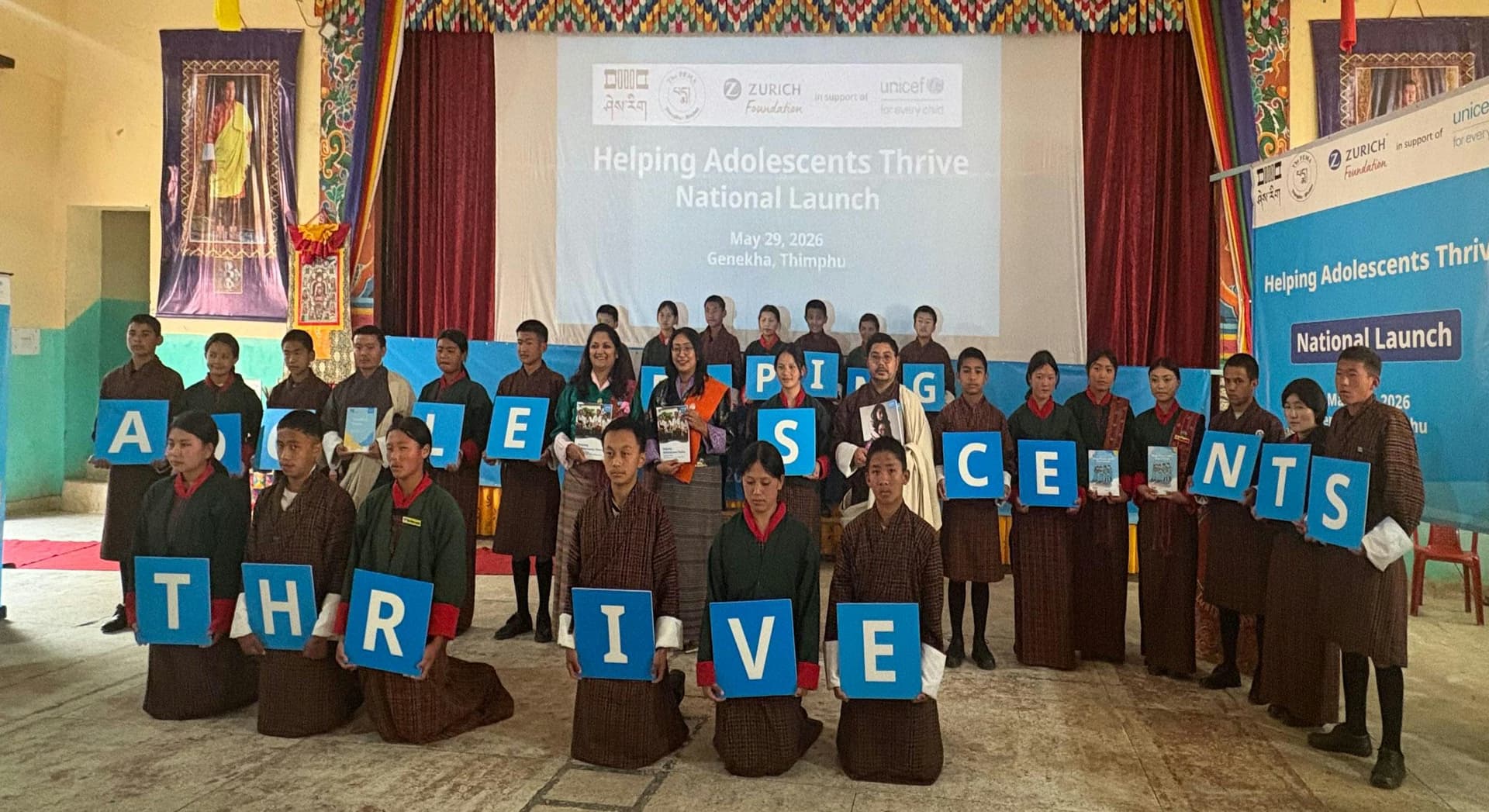
In a bold move to address adolescent mental health, Bhutan has rolled out the Helping Adolescents Thrive (HAT) programme nationwide, aiming to fortify the resilience of young people against the backdrop of rising mental health challenges. This initiative underscores Bhutan’s commitment to holistic development and the well-being of its citizens.
A Comprehensive National Effort 🏫
The expansion of the HAT programme to 166 schools marks a significant milestone in Bhutan’s educational landscape. Initiated by the Ministry of Education and Skills Development (MoESD), the PEMA Secretariat, and the United Nations Children’s Fund (UNICEF), the programme seeks to promote adolescent mental health and mitigate risky behaviors such as substance abuse and self-harm.
Programme Objectives
- Promote mental wellbeing
- Strengthen resilience and coping skills
- Encourage positive relationships
- Improve early support systems
These objectives are crucial as mental health issues like anxiety and depression affect over 55% of reported cases in Bhutan, according to the National Health Survey 2023.
The Genesis of HAT 🌱
The HAT initiative, collaboratively developed by the World Health Organization (WHO) and UNICEF, was officially launched in Bhutan in 2025. It was designed to address the global surge in adolescent mental health issues, exacerbated by the COVID-19 pandemic. The programme equips schools, caregivers, and communities with the tools needed to create supportive environments for adolescents.
Implementation and Impact 🌟
The rollout began with a Training of Trainers (ToT) programme in Bumthang, empowering principals, school counsellors, and wellbeing focal teachers. The programme has already trained 991 school leaders and 2,826 caregivers, directly impacting nearly 7,000 adolescents.
Key Outcomes
- Enhanced school capacities
- Stronger caregiver support
- Increased adolescent engagement
Global and Local Context 🌍
Globally, over 30 countries have adopted HAT interventions, integrating them into education and community systems. Bhutan’s implementation reflects a broader commitment to addressing mental health, with the programme aligning closely with the aspirations of Her Majesty The Gyaltsuen and the PEMA Secretariat.
Looking Ahead: Future Prospects 🔮
The nationwide implementation of the HAT programme is set to reach 50,000 adolescents and 40,000 caregivers by 2026. This ambitious target highlights Bhutan’s proactive approach to nurturing a resilient generation, equipped to handle the complexities of modern life.
Conclusion
Bhutan’s HAT programme represents a pivotal step in mental health education, fostering environments where adolescents can thrive. As the nation continues to prioritize mental health, the programme’s success will likely serve as a model for other countries seeking to strengthen their youth resilience programs.
You May Also Like
Education
Dzongkha Pronunciation and Spelling Challenges in Bhutanese Education
October 10, 2026

Education
Bhutanese Students Reconsider Australia Plans Amid New Visa Rules
October 7, 2026
Education
Motithang Higher Secondary School Zayed Sustainability Prize Finalist
October 6, 2026
Education
Students with Special Educational Needs Showcase Talents
October 6, 2026