Category:
EducationBhutan's Dzongkha Graduates Request Placement Review
A Plea for Change in Teacher Placements 📚
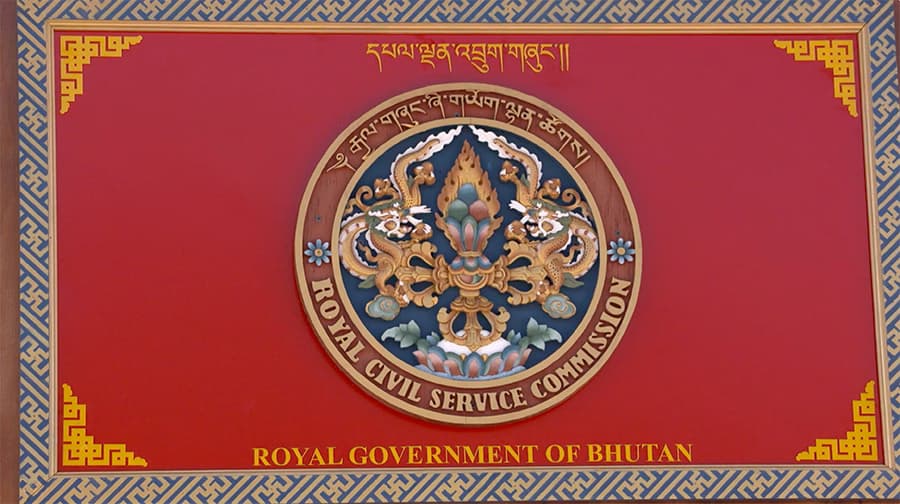
In a recent development in Bhutan's education sector, Dzongkha Postgraduate Diploma in Education (PGDE) graduates have presented a petition to the Royal Civil Service Commission (RCSC). Their appeal seeks a review of their current school placements, which they claim do not align with their specialized training. This move highlights a broader issue within the educational framework concerning teacher placement and resource utilization.
The Issue at Hand 🏫
This year, 18 Dzongkha PGDE graduates completed their studies at the Paro College of Education. Of these, 15 have been assigned to primary schools. The graduates argue that their training is specifically tailored to teach Dzongkha in secondary education settings, from classes seven to twelve. They believe that their expertise is underutilized in primary schools, where the curriculum and teaching methodologies differ significantly.
While primary education is crucial, the PGDE graduates emphasize that B.Ed. Primary graduates undergo a four-year program designed explicitly for primary teaching. In contrast, PGDE graduates are equipped with skills and knowledge for secondary education. Deploying them to primary schools not only underutilizes their capabilities but also potentially affects the quality of education delivered to students.
Concerns of Mismatched Placements 🌟
Graduates have expressed their concerns anonymously, indicating that their primary issue is not the rural nature of their postings but the mismatch in educational levels. They argue that adhering to specialized training protocols could enhance teaching quality and utilize human resources more effectively.
One graduate noted, "Teaching at any level requires specific skills. We were trained for secondary education, not primary. It’s about more than following textbooks; it’s about engaging students at their level of comprehension."
An Official Response Awaited 📩
Despite these concerns, the Ministry of Education and Skills Development has stated in a press briefing that teacher placements are the prerogative of the RCSC. The ministry has acknowledged the shortage of teachers in primary schools as a possible reason for these placements. However, the graduates maintain that they have not received any official response to their complaints, which were formally submitted last month.
The Bigger Picture: Teacher Shortages and Resource Allocation 🌍
Teacher shortages are a global issue, and Bhutan is no exception. The country faces the challenge of balancing the distribution of its educational workforce to ensure that all students receive quality education. The decision to place PGDE graduates in primary schools might be a temporary solution to this pressing issue.
Statistics from UNESCO highlight that globally, a substantial number of teachers are needed to meet educational targets. In Bhutan, addressing these shortages while maintaining the quality of education is crucial. Ensuring that teachers are placed according to their training is part of this quality assurance.
Future Implications and the Path Forward 🔮
As Bhutan continues to develop its educational infrastructure, the allocation of teaching resources remains critical. Aligning teacher training with actual school placements is essential for maintaining education quality. The authorities may need to consider systemic changes that include clear protocols for teacher placements that respect their specialized training.
For graduates, this situation underscores the importance of ongoing dialogue between educational institutions, government bodies, and the teaching community. The resolution of this issue could set a precedent for how teacher placements are managed in the future, ensuring that all parties work towards a common goal of educational excellence.
Conclusion: A Call for Action 🚀
The Dzongkha PGDE graduates' call for a review of their placements is more than a request for personal reassignment. It is a clarion call for a reevaluation of Bhutan's teacher allocation strategies to improve education quality across the board. As the RCSC deliberates on the matter, stakeholders in Bhutan's education system must collaborate to create a framework that respects specialized training and meets the nation’s educational needs.
In the coming months, it will be interesting to see how these discussions unfold and how Bhutan navigates the complexities of teacher placement and educational quality assurance.
You May Also Like
Education
Local Produce Connects Gongthung Farms and School
September 21, 2026
Education
Two Students Transform Library System Into Digital Solution
September 16, 2026
Education
Strengthening School Support for Students Unable to Afford Tuition
September 13, 2026
Education
Student Citizen Journalism: Breaking Silence on Bullying
September 12, 2026