Category:
EducationStrengthening Inclusive Education in Bhutan
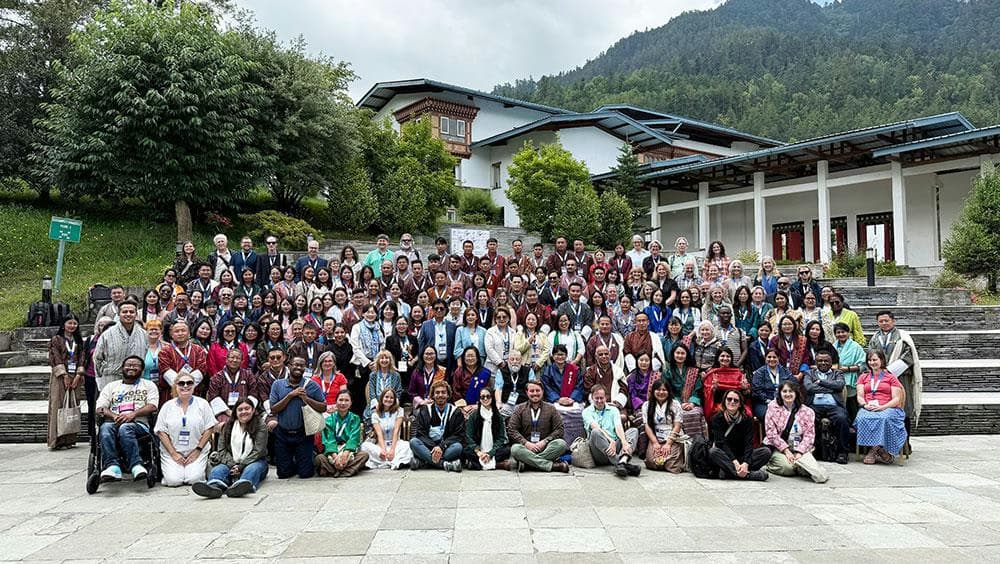
In recent years, the push for inclusive education has gained momentum worldwide, and Bhutan is no exception. The Royal Thimphu College (RTC) recently hosted a pivotal conference, "Cultivating Inclusive Futures: Innovation in Special Education," highlighting the pressing need to strengthen inclusive education systems. 🌏✨
The Current Landscape of Inclusive Education in Bhutan
Despite efforts to promote inclusivity, the numbers reveal a challenging reality. Among 11,370 children aged between two and nine years, 30% live with a disability, yet only 997 are enrolled in Special Educational Needs (SEN) programs. Over 2,414 children await access to these essential services. 📊
Bhutan’s education system has expanded significantly, but equal opportunities for persons with disabilities, especially at the tertiary level, remain elusive. The conference at RTC emphasized the need for robust policies and practical interventions to bridge these gaps.
Challenges Facing Persons with Disabilities
- Limited Access: A significant number of children with disabilities lack access to specialized education.
- Social Barriers: Discrimination and societal attitudes hinder full participation in educational and employment opportunities.
- Infrastructural Deficiencies: Inaccessible infrastructure limits the mobility and independence of persons with disabilities.
- Policy Gaps: While policies exist, their implementation often falls short, necessitating stronger commitment and resources.
Inclusive Education and Employment
Employment statistics paint a concerning picture. Only 86 out of Bhutan’s 12,197 businesses employ persons with disabilities. This highlights the urgent need for inclusive policies that encourage businesses to embrace diversity. 📈
Conference Insights and Future Directions
The RTC conference brought together stakeholders from 27 countries, including educators, policymakers, and disability professionals, to share insights and forge collaborative solutions. The event underscored the importance of:
- Innovative Approaches: Exploring new methodologies and technologies to support inclusive education.
- Policy Dialogue: Engaging in conversations to strengthen existing policies and frameworks.
- Capacity Building: Empowering educators and institutions to better support students with disabilities.
Statements from Key Figures
Dasho Dechen Wangmo, head of the PEMA Secretariat, stressed the importance of timely interventions and resource allocation. "Investment in interventions is crucial," she noted, highlighting increased funding and improved program stewardship.
RTC President, Shiva Raj Bhattarai, emphasized the conference's role in facilitating knowledge exchange and collaboration. "The discussions will focus on innovative approaches and learning from international best practices," he stated.
Broader Implications and Global Context
The challenges faced by Bhutan are not unique. Globally, inclusive education is a critical issue. According to UNESCO, over 263 million children are out of school worldwide, many due to disabilities. Bhutan’s efforts to host such a conference signify a commitment to change and collaboration on a global scale. 🌟
What Lies Ahead?
The conference coincides with national debates on disability rights, signaling a pivotal moment for policy reform. The recent discussions around the Convention on the Rights of Persons with Disabilities (CRPD) reflect Bhutan’s ongoing journey toward comprehensive inclusivity.
Conclusion: Toward a More Inclusive Future
As Bhutan navigates the complexities of inclusive education, the RTC conference serves as a beacon of hope and a call to action. Strengthening the education system to accommodate all learners is not just an educational imperative but a societal one. As the nation progresses, ensuring no one is left behind will pave the way for a more equitable and inclusive future. 🌈
Educators, policymakers, and communities must continue to collaborate, innovate, and advocate for inclusive education, ensuring that every child in Bhutan, regardless of their abilities, has the opportunity to learn and thrive.
You May Also Like
Education
Two Students Transform Library System Into Digital Solution
September 16, 2026
Education
Strengthening School Support for Students Unable to Afford Tuition
September 13, 2026
Education
Student Citizen Journalism: Breaking Silence on Bullying
September 12, 2026
Education
Tashithang ECCD Centre: Nurturing Young Learners in Rural Bhutan
September 6, 2026