Category:
EducationRUB Implements New Rules to Curb Student Withdrawals
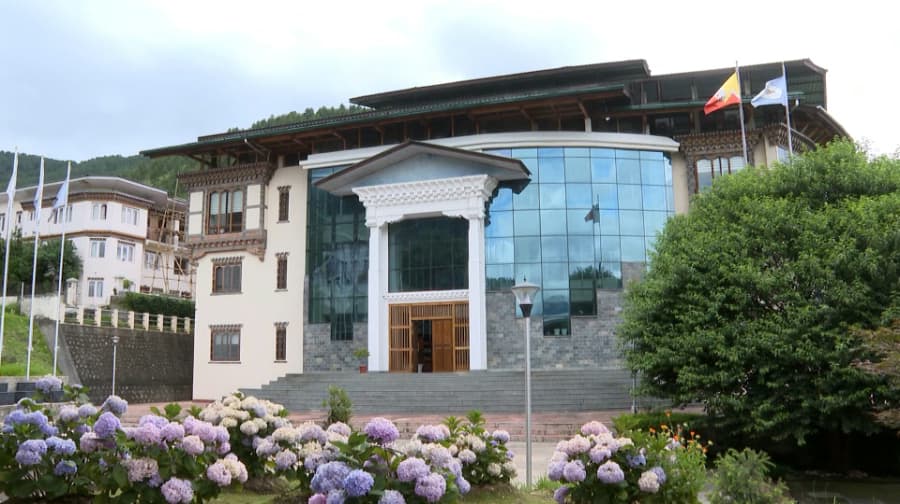
The Royal University of Bhutan (RUB) is taking decisive steps to address a persistent challenge that has impacted its educational ecosystem. Over the past five years, more than a thousand students have accepted placements at various colleges, only to withdraw later. This trend has left university seats vacant and budgets misallocated, prompting RUB to revise its admission policies.
Understanding the New Admission Policy Changes 📚
Starting from the next admission cycle, RUB plans to implement stricter rules to tackle this issue head-on. The university's revised 2021 Admission Policy introduces financial penalties for students who withdraw after accepting admission. This change aims to discourage students from backing out and ensure that educational resources are effectively utilized.
Financial Penalties as a Deterrent 💰
Under the new policy, students who dishonor their admission commitments will face a penalty of Nu 5,000 if they reapply to any RUB colleges. Vice Chancellor Chewang Rinzin emphasized that the objective isn't to generate revenue through penalties but to encourage students to honor their commitments. This approach ensures that opportunities are not wasted and more deserving students can access education.
Moreover, students benefiting from government scholarships who withdraw early will be required to repay part of the public funds used for their education. This includes tuition fees for the semesters they have completed, along with any stipend received.
Centralized Admission System: A Holistic Approach 🎓
In addition to financial penalties, RUB is developing a centralized admission system. This system is designed to give students ample time to make informed decisions about their education. Unlike previous years, the new system will not rely solely on Class 12 results. Instead, it will incorporate entrance examinations to evaluate students more comprehensively.
Ensuring a Fair and Transparent Process 🏛️
The university-wide entrance examination will be conducted online, ensuring a robust and transparent selection process. This change aims to reduce last-minute withdrawals by enabling students to carefully consider their options before committing to a college and program.
Broader Implications for Bhutan's Education Sector 🌏
The educational landscape in Bhutan is evolving, with institutions like RUB leading the charge. By tightening admission rules and introducing fairer processes, RUB not only optimizes its resources but also enhances the quality of education provided. This move reflects broader trends in the global education sector, where institutions are increasingly prioritizing efficiency and student satisfaction.
Future Prospects and Opportunities 🔮
As RUB implements these changes, other educational institutions in Bhutan may look to adopt similar measures. The focus on holistic student assessment and transparent admission processes can serve as a model for universities aiming to improve resource allocation and student engagement.
Key Takeaways 🔑
- RUB's new admission policies are a strategic response to recurring student withdrawals.
- Financial penalties and a centralized admission system aim to ensure commitment and efficient resource use.
- These changes align with global trends in education, emphasizing fairness and transparency.
In conclusion, RUB's proactive approach reflects a commitment to optimizing educational resources and providing equitable opportunities for students. As these new policies take effect, Bhutan's higher education sector stands to benefit from a more structured and student-centered approach.
You May Also Like

Education
Bumthang Schools Revive Theatrical Tradition Through Competition
October 21, 2026

Education
Mongar's Extended Classrooms Struggle with Declining Student Enrollment
October 21, 2026
Education
Bridging the Skills Gap: Training and Industry Alignment
October 19, 2026
Education
Team Bhutan Shines at FIRST Global Challenge 2026
October 15, 2026