Category:
EnvironmentSeasonal Forecasts Aid Farmers in Climate Adaptation
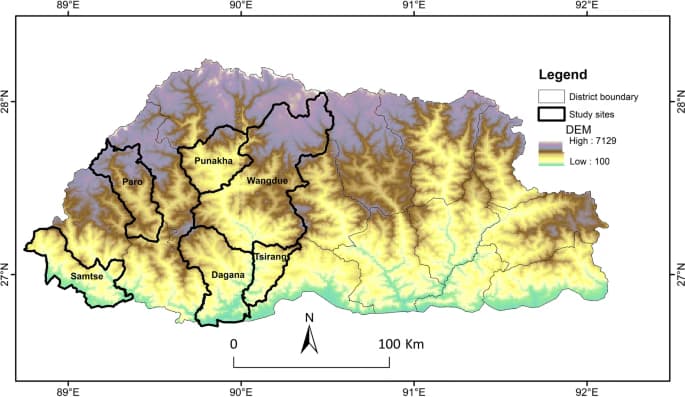
As Bhutan experiences the dual pressures of a warming climate and erratic rainfall, seasonal forecasts are emerging as vital tools for farmers. These forecasts are not only helping to mitigate risks but also enabling strategic planning in the agricultural sector. 🌾🌧️
Understanding Bhutan's Climate Dynamics
In recent decades, Bhutan has faced a warming trend, with temperatures increasing by 0.3°C to 0.5°C. This change is accompanied by increasingly erratic rainfall patterns. The Climate Atlas of Bhutan, covering data from 1996 to 2025, reveals these shifts in detail. This atlas serves as a critical resource for understanding how temperature and rainfall patterns evolve across the nation.
Regional Temperature Variations
The southern foothills of Bhutan remain the warmest, with temperatures ranging from 25°C to 30°C, while the northern highlands are much cooler, with temperatures often below 10°C. This variation is a result of Bhutan's unique topography, its distance from the coast, and influences from the Bay of Bengal and northern highland air masses.
Rainfall Patterns
Rainfall in Bhutan displays a strong south-to-north gradient. The southern plains receive up to 6,000 mm of rain annually, while the northern highlands receive less than 1,000 mm. Most of this rainfall occurs during the monsoon season, from June to September.
The Role of Seasonal Forecasts in Agriculture
Farmers in Bhutan are using seasonal forecasts to adapt to these climatic changes. According to Tshering Pem from the Department of Agriculture, these forecasts are instrumental in decision-making processes for crop planning, water management, and pest control.
Adapting Farming Strategies 🌾
- Crop Planning and Variety Selection: Farmers can choose flood-tolerant or drought-resistant varieties based on rainfall forecasts.
- Water and Irrigation Management: Forecasts guide efficient water use and irrigation scheduling.
- Pest and Disease Preparedness: Wet conditions increase fungal diseases, while dry conditions favor insect pests. Forecasts enable better preparedness.
Practical Applications
- Early Rainfall: Supports early transplanting.
- Delayed Monsoon: Encourages staggered planting.
- Dry Spells: Helps avoid early sowing.
These applications help farmers optimize their planting schedules and improve their resilience to climate variability.
Broader Climate Trends and Impacts
Globally, 2025 is projected to be one of the warmest years on record. Bhutan's climate trends align with this global pattern, highlighting the need for robust climate data to inform policy and development.
Future Outlook
The use of seasonal forecasts is expected to expand as the impacts of climate change become more pronounced. Developing climate-resilient infrastructure and policies will be crucial for Bhutan's future.
Conclusion: A Path Forward 🌍
As Bhutan continues to navigate the challenges of a warming climate, the integration of accurate seasonal forecasts into agricultural practices will be essential. By leveraging climate data, farmers can make informed decisions that enhance productivity and sustainability. This approach not only supports agricultural resilience but also contributes to Bhutan's broader climate adaptation strategies.
Looking forward, continued investment in climate research and data dissemination will be key to empowering farmers and ensuring food security in an unpredictable climate landscape.
You May Also Like
Environment
Climate Crisis in the Himalayas: Bhutan's Cold Reminder
August 29, 2026
Environment
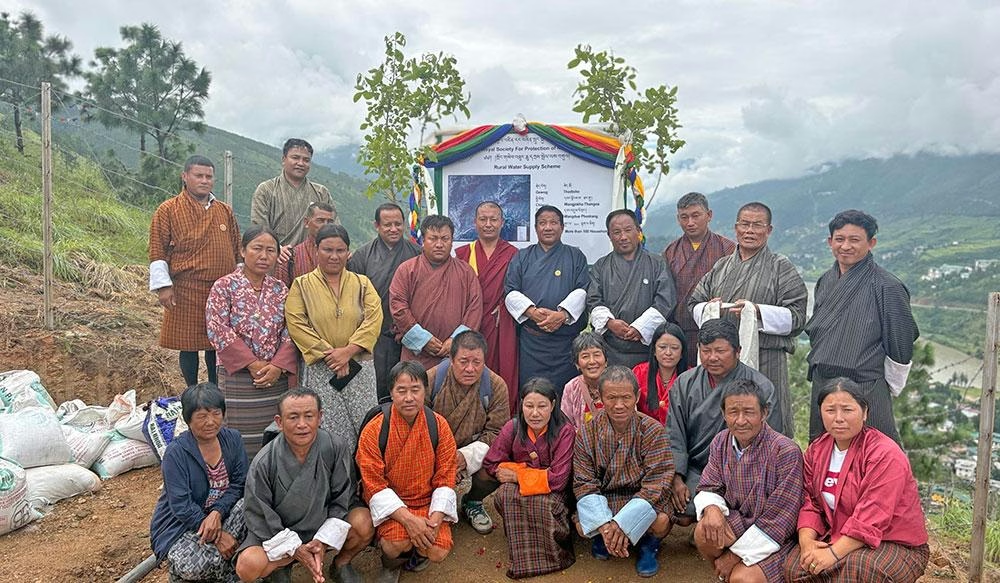
WBH Conservation Project Delivers Clean Water to Rural Homes
August 29, 2026
Environment
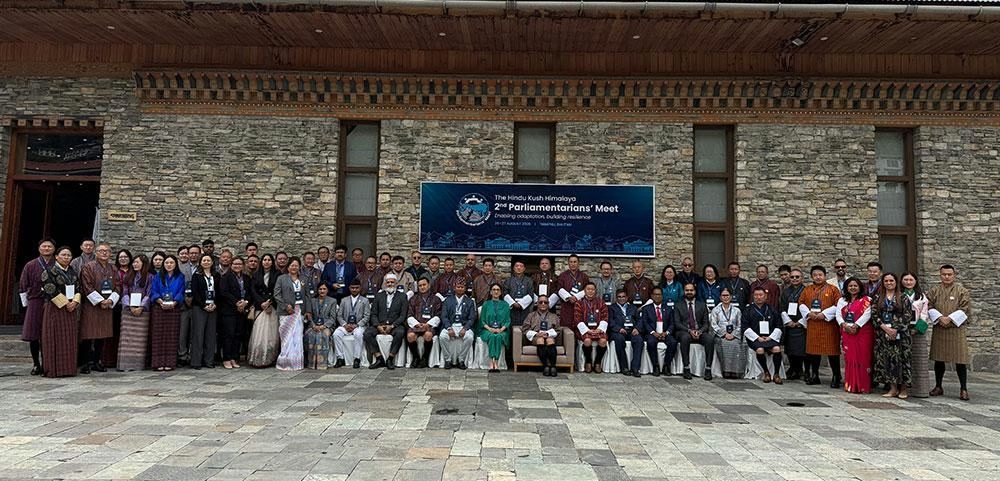
HKH Climate Crisis: Why Regional Unity Matters Now
August 29, 2026
Environment
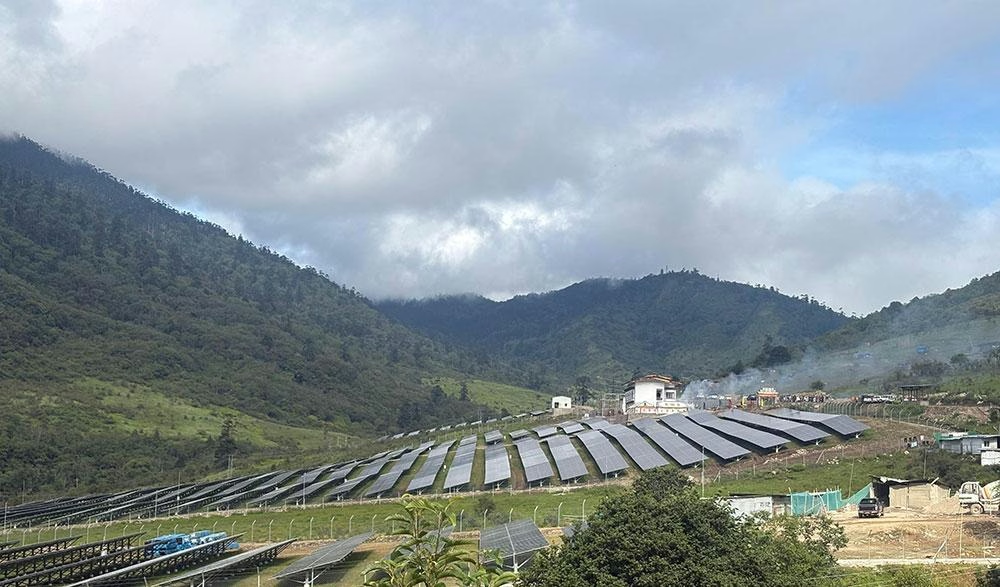
Bhutan's Solar Power Revolution: Energy Security Strategy
August 26, 2026