Category:
EducationBridging the Skills Gap: Training and Industry Alignment
The Critical Disconnect Between Classrooms and Workplaces 🎓
Every year, thousands of graduates emerge from technical and vocational training institutes across Bhutan with certificates in hand and dreams of meaningful employment. Yet a troubling reality persists: many employers report that these newly trained professionals lack the specific, practical skills needed to excel in real-world environments. This mismatch between what training institutions teach and what industries actually need has become one of the most pressing challenges in Bhutanese vocational education.
The gap isn't a matter of laziness or inadequate instruction—it's a systemic issue rooted in insufficient communication between educational institutions and the business sector. When training institutes operate in isolation from industry feedback, curricula become outdated, and graduates find themselves unprepared for the demands awaiting them.
Understanding the Skills Gap Crisis 📊
The skills gap between training and industry represents more than just a minor inconvenience. It affects employment rates, economic productivity, and the career prospects of thousands of young professionals. Recent initiatives across Bhutan have highlighted just how significant this problem has become.
Training institutes consistently report receiving feedback from employers indicating that graduates possess theoretical knowledge but struggle with practical application. Meanwhile, industries express frustration at having to invest additional time and resources in re-training new hires. This circular problem creates inefficiencies that ripple throughout the economy.
Key Areas Where the Gap Manifests
- Technical competencies: Graduates may understand concepts but lack hands-on proficiency
- Soft skills: Communication, teamwork, and problem-solving abilities often fall short of expectations
- Industry-specific knowledge: Sector-particular processes and standards aren't adequately covered
- Adaptability: Workers struggle to apply learning in varied, real-world scenarios
- Digital literacy: Rapidly evolving technology often outpaces curriculum updates
Bridging Initiatives: A Collaborative Approach 🤝
Recognizing the urgency of this challenge, technical and vocational education and training (TVET) institutions have begun implementing comprehensive engagement strategies. These initiatives bring together three essential stakeholders: training institutes, industry representatives, and trainees themselves.
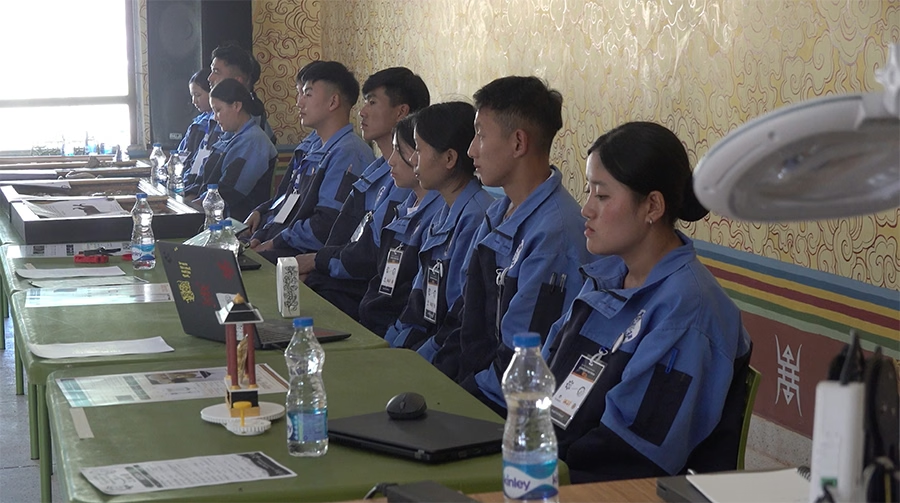
One particularly effective approach involves organizing dedicated forums where all parties can interact directly. These events serve multiple purposes—they allow trainees to showcase their work, enable instructors to receive candid feedback about curriculum relevance, and give employers the opportunity to share their expectations and requirements.
The Forum Model: Breaking Down Silos
When training institutes host industry engagement forums, they create spaces where dialogue replaces assumptions. Trainees get to understand what employers actually value, not just what their textbooks suggest. Industry representatives gain insight into the capabilities of emerging professionals and can identify promising talent early.
These forums typically feature project showcases where students demonstrate their technical abilities in real-time. Employers can assess whether graduates possess the foundational skills necessary for entry-level positions and identify gaps that need addressing.
Practical Solutions for Reducing the Skills Gap 💡
1. Structured Industry Mentorship Programs
Mentorship creates direct relationships between experienced professionals and trainees. When industry experts guide students through real challenges and decision-making processes, learning becomes contextualized and immediately relevant. This personal connection often proves more impactful than traditional classroom instruction.
2. On-the-Job Training Integration
Incorporating mandatory work experience into training programs ensures students encounter authentic workplace scenarios. Internships and apprenticeships allow trainees to apply classroom learning in supervised environments while building professional networks.
3. Curriculum Co-Design with Industry Partners
Instead of training institutes developing curricula in isolation, involving industry stakeholders ensures courses address actual market needs. When employers help shape what's taught, graduates naturally emerge with more relevant skills.
4. Memoranda of Understanding (MOUs)
Formalizing partnerships through MOUs creates accountability and commitment from both sides. These agreements establish clear expectations regarding training standards, employment pathways, and ongoing collaboration.
Sectoral Applications Across Industries 🏭
The skills gap between training and industry manifests differently depending on the sector. Manufacturing facilities need workers proficient in specific machinery and quality control processes. Construction companies require understanding of safety protocols and project management. IT departments demand current knowledge of programming languages and cybersecurity. Automotive specialists need hands-on diagnostic and repair capabilities.
Successful bridging initiatives recognize these differences and tailor approaches accordingly. What works for electrical trainees differs from approaches needed for hospitality professionals.
The Trainee Perspective: Preparing for Career Success 🌟
From the perspective of students, engagement with industry representatives provides invaluable clarity about career expectations. Many trainees complete their programs without truly understanding what employers seek or how to position themselves competitively.
When forums and mentorship programs connect trainees with business leaders, several benefits emerge:
- Realistic career pathway understanding: Students learn what progression looks like in their chosen field
- Networking opportunities: Early connections with potential employers can lead to job placements
- Confidence building: Seeing successful professionals from similar backgrounds provides inspiration and proof of possibility
- Motivation enhancement: Understanding how their training connects to real careers increases engagement
Creating Sustainable Change 🔄
While individual forums and mentorship programs help, lasting change requires systemic transformation. This means establishing ongoing mechanisms for communication between institutes and industries, not just occasional events.
Essential Components of Sustainable Solutions
Regular feedback loops: Training institutes should conduct quarterly or biannual surveys with employers to understand evolving skill requirements.
Curriculum flexibility: Educational programs need built-in mechanisms for rapid updating as industries evolve and new technologies emerge.
Instructor development: Teachers and trainers must themselves stay current with industry practices, requiring ongoing professional development opportunities.
Student employment tracking: Following graduates into their careers helps identify which skills proved most valuable and where gaps persist.
The Broader Economic Impact 📈
Addressing the skills gap between training and industry has implications far beyond individual career success. When graduates enter the workforce adequately prepared, several positive outcomes follow:
- Reduced employer training costs: Companies spend less on remedial instruction
- Increased productivity: Workers can contribute meaningfully from day one
- Higher employee retention: Graduates who feel prepared experience greater job satisfaction
- Economic competitiveness: Industries can operate more efficiently and innovate more readily
- Reduced unemployment: Better-prepared workers find employment more easily
Looking Forward: The Path Ahead 🚀
The momentum building around skills gap initiatives suggests a growing recognition of this challenge's importance. Institutions across the country are recognizing that isolation serves no one—not trainees seeking meaningful careers, not instructors wanting to teach relevant skills, and certainly not industries needing capable workers.
The success of engagement forums and collaborative programs demonstrates that solutions exist. What's needed now is scaling these approaches, making them standard practice rather than exceptional initiatives. This requires sustained commitment from government, educational institutions, and the private sector.
Key Takeaways for Stakeholders 🎯
For Training Institutes: Establish regular communication channels with employers, involve industry in curriculum design, and create opportunities for trainees to gain practical experience.
For Employers: Participate actively in training partnerships, provide mentorship and internship opportunities, and give constructive feedback about graduate capabilities.
For Trainees: Seek out mentorship opportunities, engage with industry professionals, and view training as a starting point requiring continuous learning.
For Policymakers: Support initiatives that formalize industry-education partnerships and create incentives for collaboration.
The gap between training and industry isn't insurmountable—it's simply a communication and alignment challenge. By bringing all stakeholders into genuine dialogue, establishing formal partnerships, and creating structured pathways for practical experience, Bhutanese technical education can ensure that graduates enter the workforce genuinely prepared for success. The future belongs to those who bridge this gap effectively.
You May Also Like
Education
Team Bhutan Shines at FIRST Global Challenge 2026
October 15, 2026

Education
BFF Academy Achieves Historic Milestone with First Cambridge Checkpoint Exam
October 14, 2026

Education
Dzongkha Pronunciation and Spelling Challenges in Bhutanese Education
October 10, 2026

Education
Bhutanese Students Reconsider Australia Plans Amid New Visa Rules
October 7, 2026