Category:
EnvironmentRhododendron Bloom Shifts in Merak & Sakteng
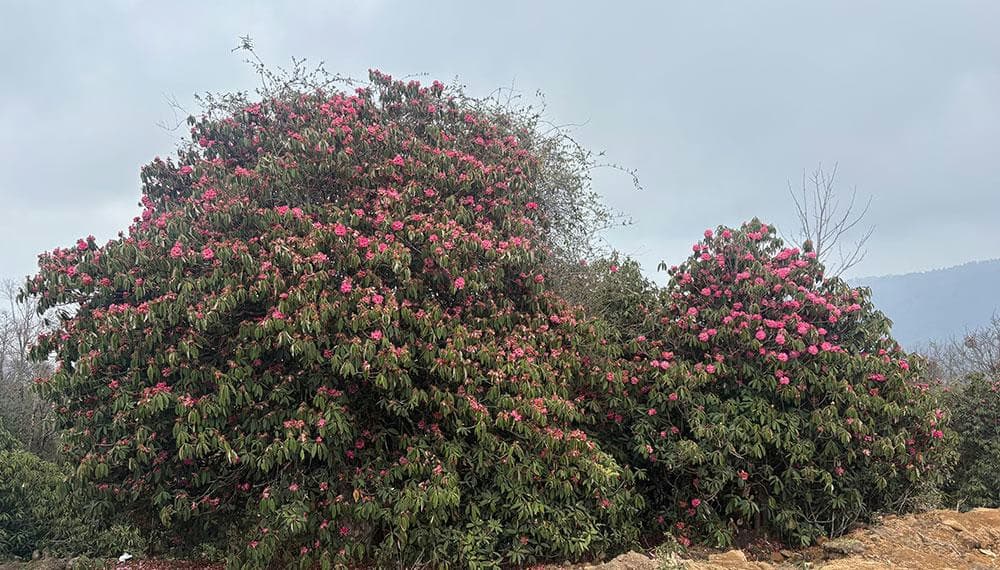
Rhododendrons are a hallmark of Bhutan's botanical wealth, particularly in the highland gewogs of Merak and Sakteng. However, recent shifts in blooming patterns have sparked interest and concern among botanists and locals alike. 🌸
The Rich Botanical Landscape of Merak and Sakteng
Merak and Sakteng are renowned for hosting 41 of Bhutan's 46 rhododendron species, making them a key area for biodiversity. This rich floral tapestry not only enhances the natural beauty of the region but also supports its ecological balance.
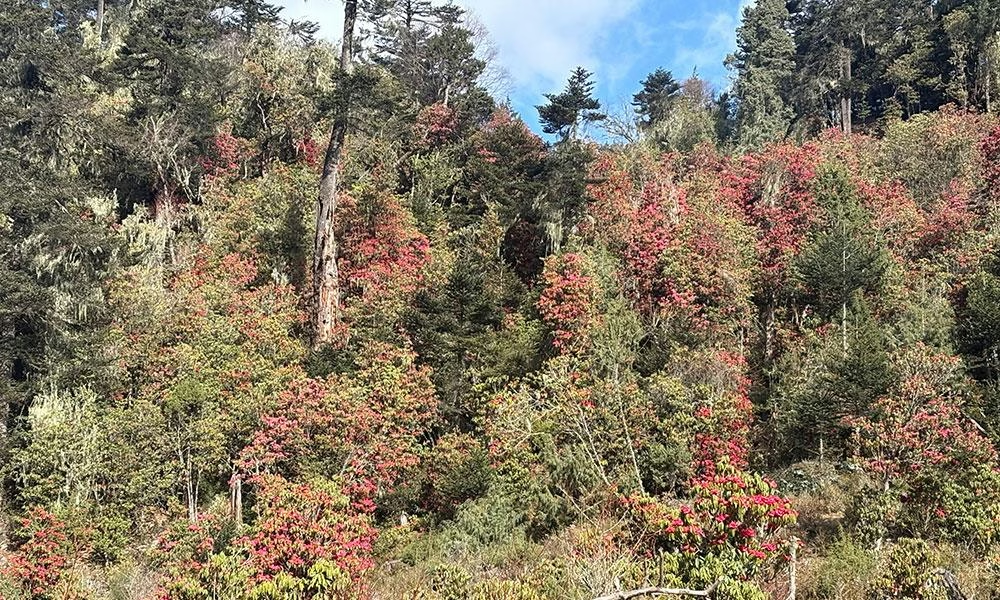
Typically, these rhododendrons bloom from April through June, with the earliest blooms appearing in March. This year, however, the blooming has been notably sparse, raising questions and concerns. 🌿
Understanding the Blooming Cycle
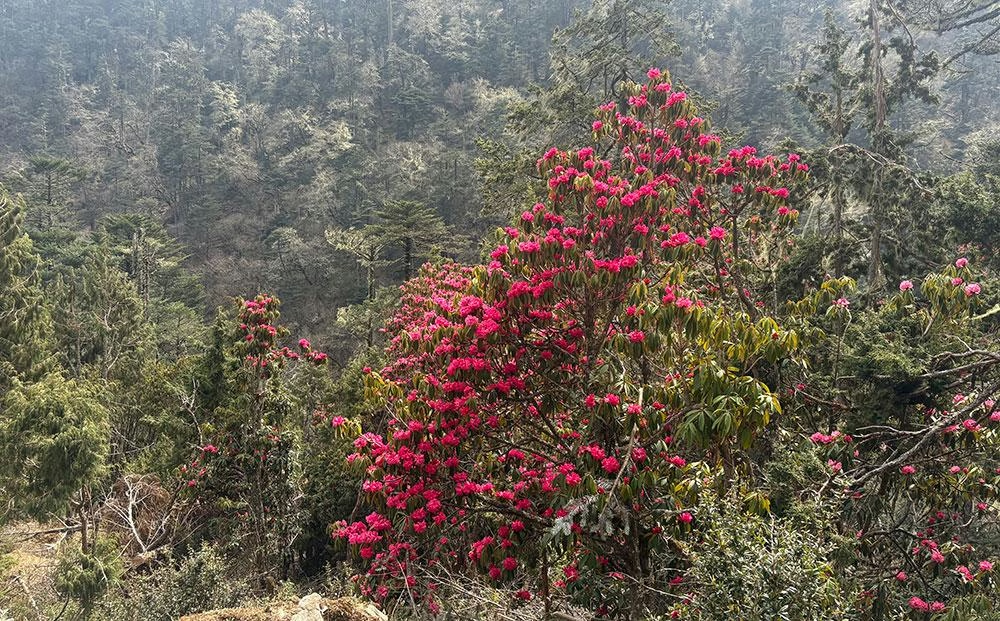
Rhododendron arboreum is usually the first to bloom, with its vibrant flowers ranging from pink to red. This species thrives at altitudes between 1,370 and 3,960 meters. However, changes in bloom patterns suggest ecological shifts.
Sonam Dhendup, a Forest Ranger, noted that once rhododendrons fully bloom, they might not bloom again for up to three years. This year's sparse bloom could be a natural part of this cycle, but the underlying causes are still uncertain.
Impact of Climate and Ecology
Several factors could influence these blooming patterns, including climate change, which affects seasonal cycles. In Merak and Sakteng, altitudinal differences also play a role, with Merak sitting at about 3,900 meters and Sakteng at around 2,900 meters. This variance affects species like rhododendron neriiflorum and rhododendron papillatum, which bloom at specific altitudes.
Notable Species and Their Habitats
- Rhododendron neriiflorum: Blooms from March to May at 2,200 to 3,050 meters.
- Rhododendron papillatum: Crimson flowers bloom from March to April between 1,830 to 3,350 meters.
- Rhododendron lepidotum: A dwarf species, it flourishes in alpine conditions between 2,400 and 4,570 meters.
Challenges in Botanical Documentation
Documenting these species is vital for conservation efforts. Rangers photograph and record locations of blooming rhododendrons, but dense vegetation can make this task challenging. Gathering comprehensive data ensures the preservation and understanding of these species.
Rhododendron Festival: A Celebration of Nature
In Sheytemi, the annual rhododendron festival celebrates this floral diversity, featuring species like rhododendron dalhousiae and rhododendron grande. Such events highlight the cultural and ecological significance of rhododendrons, drawing attention to their conservation.
The Broader Implications
The shift in blooming patterns may signal broader ecological changes. Bhutan, known for its environmental stewardship, faces the task of balancing development with ecological conservation. The changes in rhododendron blooming patterns serve as a reminder of the interconnectedness of climate, flora, and human activity.
Conclusion: A Call to Action
As Bhutan continues to monitor these changes, understanding the factors behind them becomes crucial for conservation. Engaging local communities in these efforts will be vital in preserving Bhutan's unique botanical heritage. 🌿🌺
In the face of environmental challenges, the adaptability and resilience of Bhutan's rhododendrons offer lessons in sustainability and conservation.
You May Also Like
Environment
Climate Crisis in the Himalayas: Bhutan's Cold Reminder
August 29, 2026
Environment
WBH Conservation Project Delivers Clean Water to Rural Homes
August 29, 2026
Environment
HKH Climate Crisis: Why Regional Unity Matters Now
August 29, 2026
Environment
Bhutan's Solar Power Revolution: Energy Security Strategy
August 26, 2026