Category:
EducationRevamped Student Assessment System Unveiled
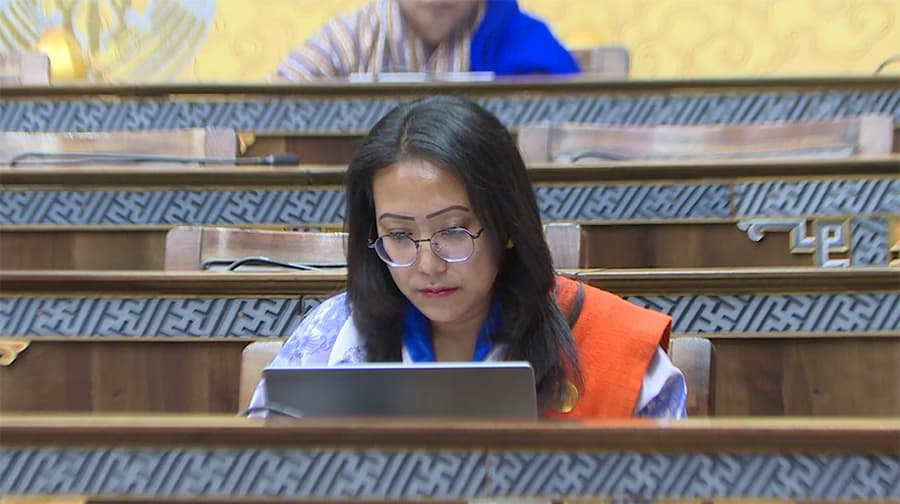
The Education Ministry of Bhutan has announced a significant revision in the student assessment system, aiming to enhance educational outcomes and address prevailing challenges. This overhaul, effective from the 2026 academic year, is designed to simplify the grading process and alleviate some of the pressures faced by students across the nation. 🎓
A New Approach to Student Assessment
In a decisive move, the Ministry has shifted from a dual-threshold requirement to a more holistic assessment model. Previously, students needed to secure at least 40% in both written exams and continuous assessments (CA) to pass. Now, the overall score will be the determinant, requiring a minimum of 40% combined from both components. This change is expected to provide a balanced evaluation of a student's performance and skills.
The Rationale Behind the Change
The revision comes in response to growing concerns about the high failure rates in Dzongkha, Bhutan's national language. A substantial number of students, specifically from Class VI and VIII, struggled to meet the previous standards. This prompted the government to reconsider its approach to ensure that assessments more accurately reflect students' abilities and learning.
Addressing the Dzongkha Challenge
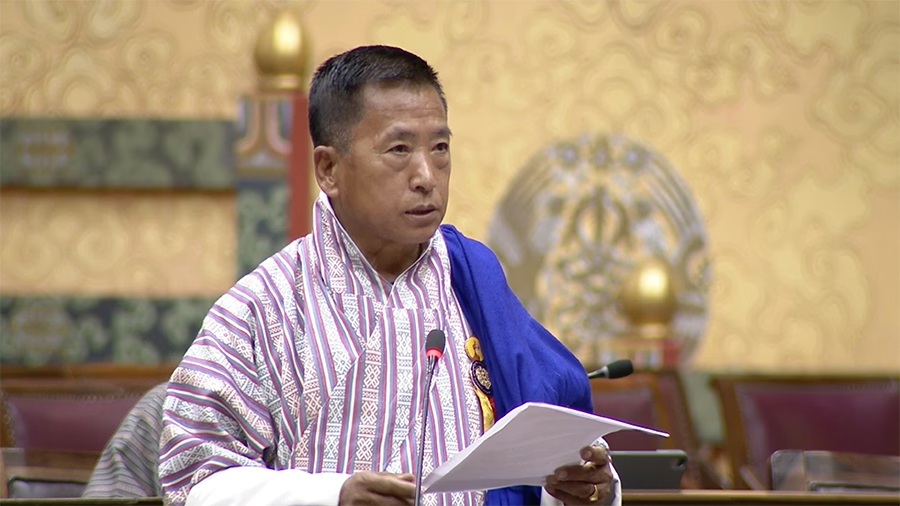
Dzongkha, a subject essential to Bhutanese identity, has posed significant challenges for students. The Khar-Yurung MP, Sangay Thinley, highlighted this issue, urging the ministry to review the curriculum and teaching methods. Despite these challenges, the Education Minister noted that Dzongkha's pass rates have remained impressive, consistently above 90% in recent years.
Integrating Competency-Based Learning
The revised assessment framework aligns with international educational standards, particularly the Cambridge curriculum. Dzongkha will continue to be taught through a competency-based approach focusing on essential skills: listening, speaking, reading, and writing. This method aims to equip students with practical skills needed for their academic and professional futures.
Broader Educational Trends
This change is part of a broader trend in education where institutions are transitioning from traditional rote learning to more dynamic, skills-based models. Such approaches are believed to foster critical thinking and better prepare students for the complexities of modern life. 🌐
The Role of Community in Education
The minister emphasized that improving educational outcomes is not solely the responsibility of teachers. Parents and students themselves must engage actively. This collaborative effort is essential in fostering an environment where educational reforms can take root and flourish.
Looking Forward
As Bhutan embarks on this new educational journey, the hope is to create a more inclusive and effective system that reflects the diverse capabilities of its students. With the revised assessment system, there is optimism for improved academic success and a more robust educational framework.
✨ In conclusion, these changes are not just about improving pass rates but about nurturing well-rounded individuals equipped to face future challenges. The success of this initiative will depend on the continuous support and involvement of educators, parents, and students alike. 📚
You May Also Like
Education
Team Bhutan Shines at FIRST Global Challenge 2026
October 15, 2026
Education
BFF Academy Achieves Historic Milestone with First Cambridge Checkpoint Exam
October 14, 2026
Education
Dzongkha Pronunciation and Spelling Challenges in Bhutanese Education
October 10, 2026

Education
Bhutanese Students Reconsider Australia Plans Amid New Visa Rules
October 7, 2026