Category:
EnvironmentPreparing for Disasters: Are We Doing Enough?
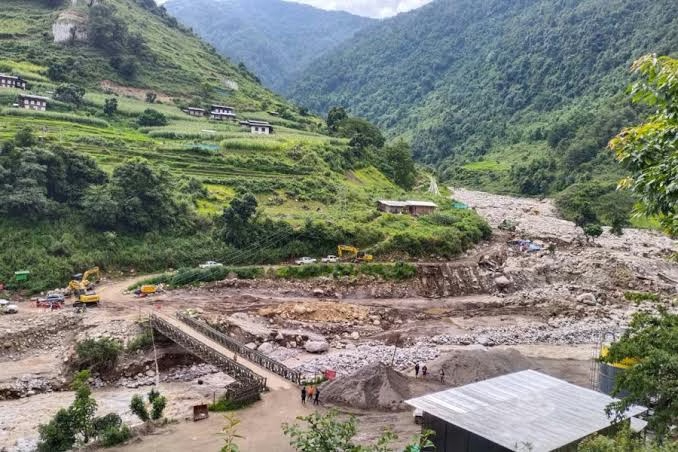
🌍 Natural disasters pose a significant threat to communities worldwide, and Bhutan is no exception. With the National Centre for Hydrology and Meteorology (NCHM) forecasting a strengthening El Niño extending into early 2027, the urgency for effective disaster preparedness is more pressing than ever. But the burning question remains: Are we truly prepared?
The Reality of Weather Forecasts 🌦️
Weather forecasts offer guidance, not certainty. They are tools for planning and action, rather than mere predictions. For instance, while a forecasted drier-than-normal monsoon might seem reassuring, Bhutan's mountainous terrain is prone to sudden flash floods and landslides, posing serious risks to lives and infrastructure.
Recurring Infrastructure Challenges 🛣️
Every monsoon season, Bhutan faces significant disruptions as heavy rainfall damages key highways like the Phuentsholing–Thimphu and East–West Highway. These disruptions not only delay the transport of essential goods but also impact tourism and local businesses. In the current fiscal year, expenditures for monsoon-related restoration have skyrocketed to over Nu 1.18 billion, with additional emergency funding approved. Yet, these funds fall short of covering the full scope of repairs needed.
Long-term Planning: Beyond Temporary Solutions 🛠️
Temporary fixes are no longer sufficient. Disasters have become seasonal realities, demanding long-term strategies. This includes the need for permanent engineering solutions to prevent landslides, especially in areas repeatedly hit by such events.
Community Engagement and Education 📚
Preparedness extends beyond early warning systems. Communities must understand weather warnings and know how to respond effectively. This involves conducting regular evacuation drills in schools, updating local disaster response plans, and reinforcing vulnerable infrastructure before the monsoon begins. Farmers, too, must be equipped with practical guidance to minimize crop losses during extreme weather.
Economic Implications and the Cost of Preparedness 💰
Investing in preparedness may seem costly upfront, but it is far more economical than the expenditures linked to rebuilding and emergency responses post-disaster. The Ministry of Infrastructure and Transport's annual budget for restoration works highlights the financial strain caused by inadequate preparedness.
Building a Culture of Preparedness 🌟
The ultimate goal is to foster a culture where preparedness is everyone's responsibility. This cultural shift not only saves lives but also ensures a safer and more resilient Bhutan.
Conclusion: A Call to Action 🔔
Natural disasters cannot always be prevented, but their impacts can be significantly mitigated through proactive measures. By investing in preparedness today, Bhutan can safeguard its future, protecting both lives and livelihoods. As we look ahead, the focus must be on long-term resilience, ensuring that when the next storm arrives, we are ready to weather it together.
You May Also Like
Environment
Climate Crisis in the Himalayas: Bhutan's Cold Reminder
August 29, 2026
Environment
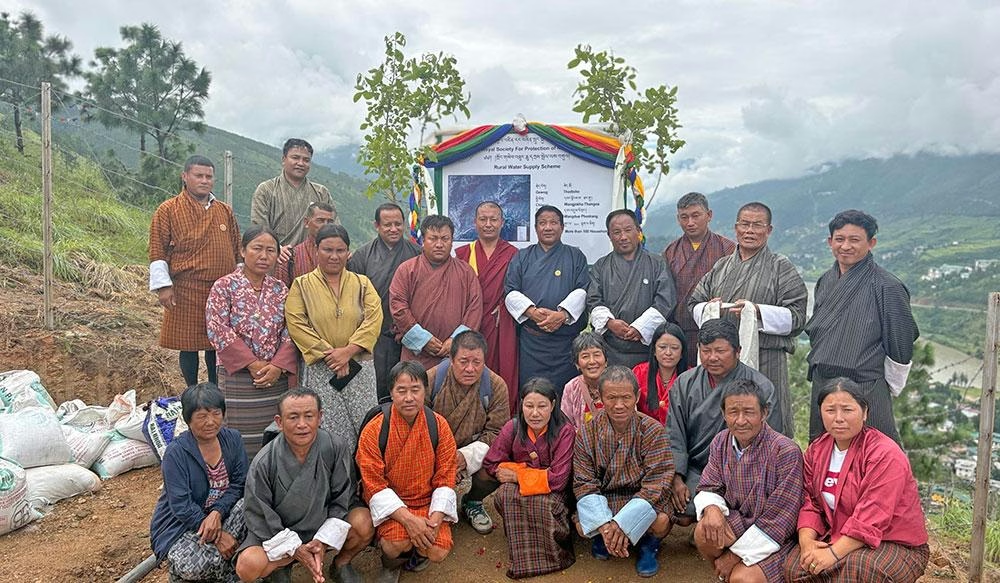
WBH Conservation Project Delivers Clean Water to Rural Homes
August 29, 2026
Environment
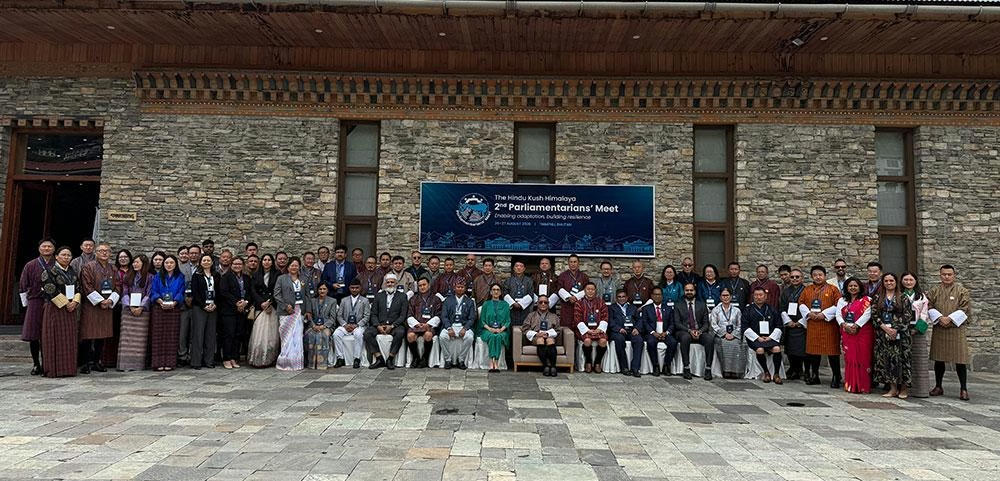
HKH Climate Crisis: Why Regional Unity Matters Now
August 29, 2026
Environment
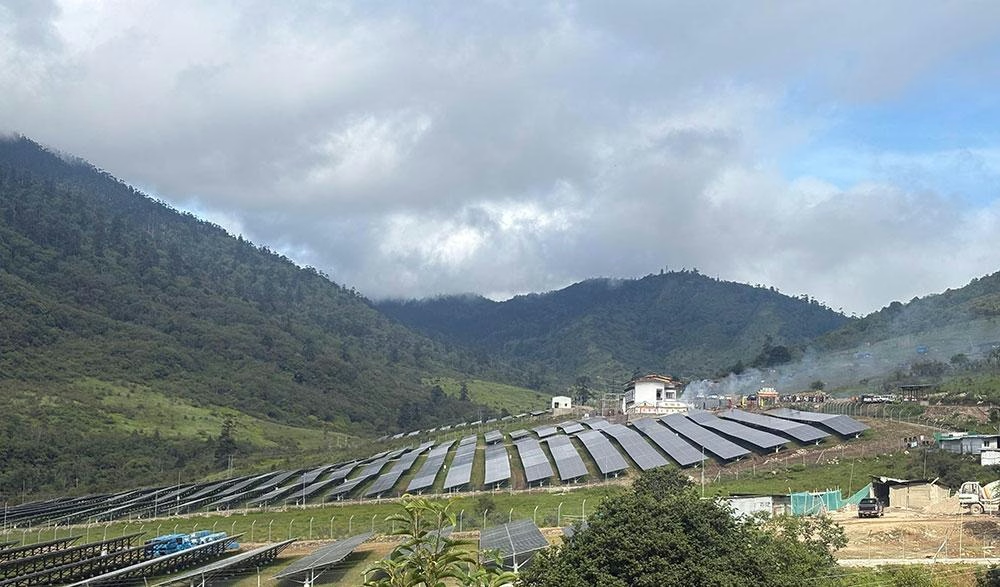
Bhutan's Solar Power Revolution: Energy Security Strategy
August 26, 2026