Category:
EnvironmentBhutan's Vanishing Glaciers: A Chilling Wake-Up Call
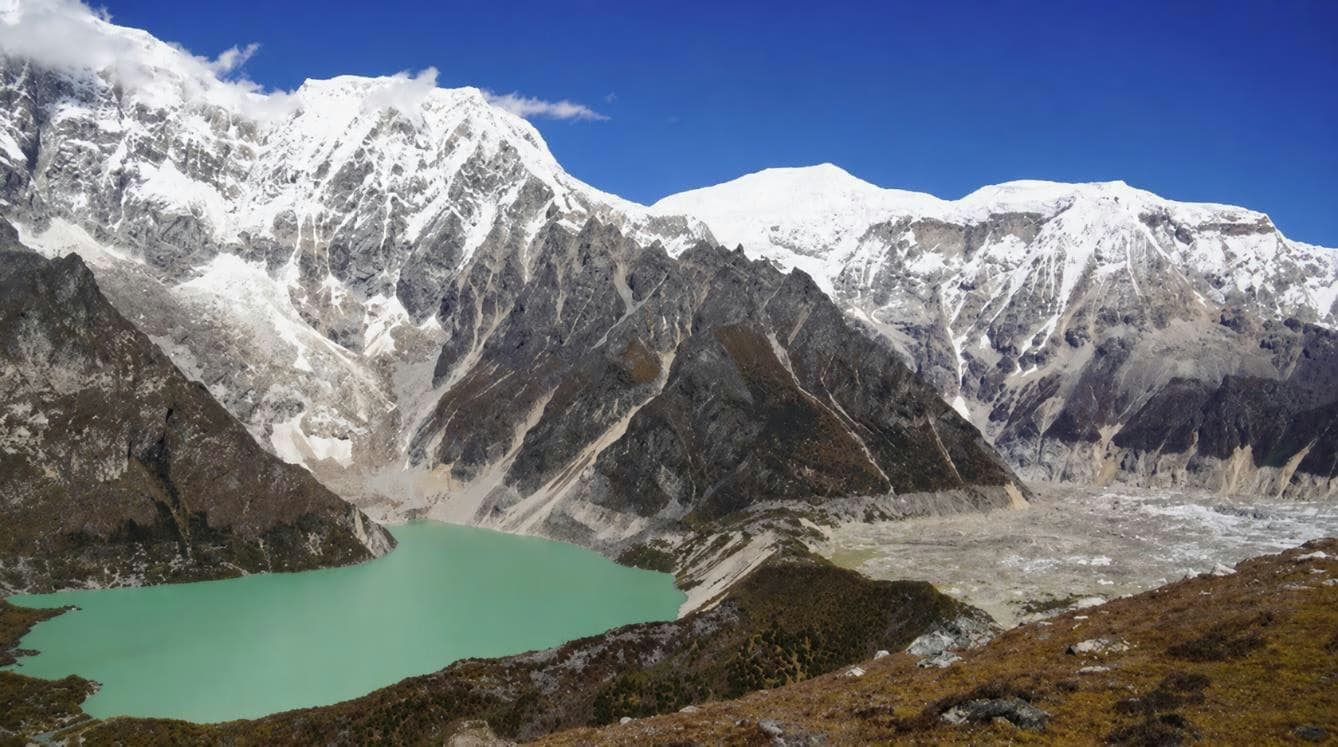
Bhutan's Glacial Retreat: A Growing Concern 🌏❄️
Nestled in the majestic Himalayas, Bhutan is witnessing a dramatic transformation of its natural landscapes. Over the past nine years, the country has lost a staggering 27 glaciers, a clear indication of the relentless advance of climate change. This alarming trend highlights a broader global issue, as warming temperatures and erratic weather patterns reshape environments worldwide. 🌡️
The Impact on Local Communities 🏔️
For centuries, Bhutan's high-altitude regions have supported traditional lifestyles, particularly those of the yak herders. These communities have long relied on the predictable seasonal cycles of the mountains. However, rising temperatures are now disrupting these age-old patterns.
Take Dorji, a seasoned yak herder from Laya, for instance. His migration patterns have changed significantly over the years. "We used to migrate to Wakila in July," Dorji recalls. "Now, we leave as early as June because Laya has become uncomfortably warm." This shift is not just a minor inconvenience; it signals a deep-seated change in Bhutan's climate. 🌿
Scientific Evidence of Warming 📊
The Bhutan Climate Atlas reveals that the country has warmed by approximately 0.3°C to 0.5°C in recent decades. This warming is part of a global trend, with the World Meteorological Organization reporting that 2025 ranked among the warmest years on record. Such changes are particularly concerning in the Himalayas, where even minor temperature increases can lead to significant glacial retreat. 📉
The Role of Glaciers in Bhutan's Ecosystem 🌊
Glaciers in Bhutan are not just picturesque ice formations; they are crucial to the country's water resources. Acting as natural reservoirs, these glaciers store snow and ice, gradually releasing water into rivers that sustain agriculture, ecosystems, and hydropower. The 2026 Bhutan Glacier Inventory recorded 673 glaciers, a decline from 700 in 2018, with a 9.16% reduction in glacier area. 📈
Threats from Glacial Lake Outburst Floods (GLOFs) 🚨
As glaciers retreat, they form glacial lakes, which are inherently unstable. These lakes pose a risk of outburst floods, threatening communities downstream. Besides environmental concerns, these floods jeopardize water security and livelihoods. For a country heavily reliant on hydropower, changing water availability poses significant challenges.
The Future of Bhutan's Water Resources 💧
Bhutan's rivers, originating from glacial melt, are critical for farming and hydropower. The Punatsangchhu basin, for instance, is home to 328 glaciers. However, as glaciers continue to melt, the long-term reliability of these water sources is uncertain. This unpredictability could lead to altered irrigation patterns and increased competition for water resources.
Broader Implications and Global Trends 🌐
Bhutan's glacial retreat is a microcosm of a global crisis. As the world warms, glacier-fed water sources worldwide are under threat. This situation underscores the urgent need for comprehensive strategies to mitigate climate change impacts. Governments, researchers, and communities must collaborate to develop adaptive measures that safeguard both local and global ecosystems.
Conclusion: A Call to Action 🛑
Bhutan's vanishing glaciers serve as a poignant reminder of the pressing need to address climate change. As the ice continues to melt, the ripple effects on communities, water resources, and ecosystems become increasingly pronounced. It is imperative for stakeholders at all levels to engage in proactive measures to combat this crisis. Future generations depend on the actions we take today. 🌍✨
To keep abreast of the latest developments in Bhutan's environmental landscape, stay tuned for more insights and updates.
You May Also Like
Environment
Climate Crisis in the Himalayas: Bhutan's Cold Reminder
August 29, 2026
Environment
WBH Conservation Project Delivers Clean Water to Rural Homes
August 29, 2026
Environment
HKH Climate Crisis: Why Regional Unity Matters Now
August 29, 2026
Environment
Bhutan's Solar Power Revolution: Energy Security Strategy
August 26, 2026