Category:
EnvironmentBiogas Innovation Reduces LPG Use in Chhaling Gewog
Revolutionizing Energy: The Biogas Breakthrough in Chhaling Gewog
In the picturesque setting of Chhaling Gewog, a groundbreaking initiative is transforming the way households meet their energy needs. The introduction of Sistema Biogas technology has significantly reduced the reliance on liquefied petroleum gas (LPG), heralding a new era of sustainable living. 🌿
The Shift Towards Sustainability
Sonam, a local resident, once depended on multiple LPG cylinders annually for his family of three. Now, thanks to this innovative biogas system, his LPG usage has plummeted to just one cylinder per year—a testament to the efficacy of this environmental breakthrough.
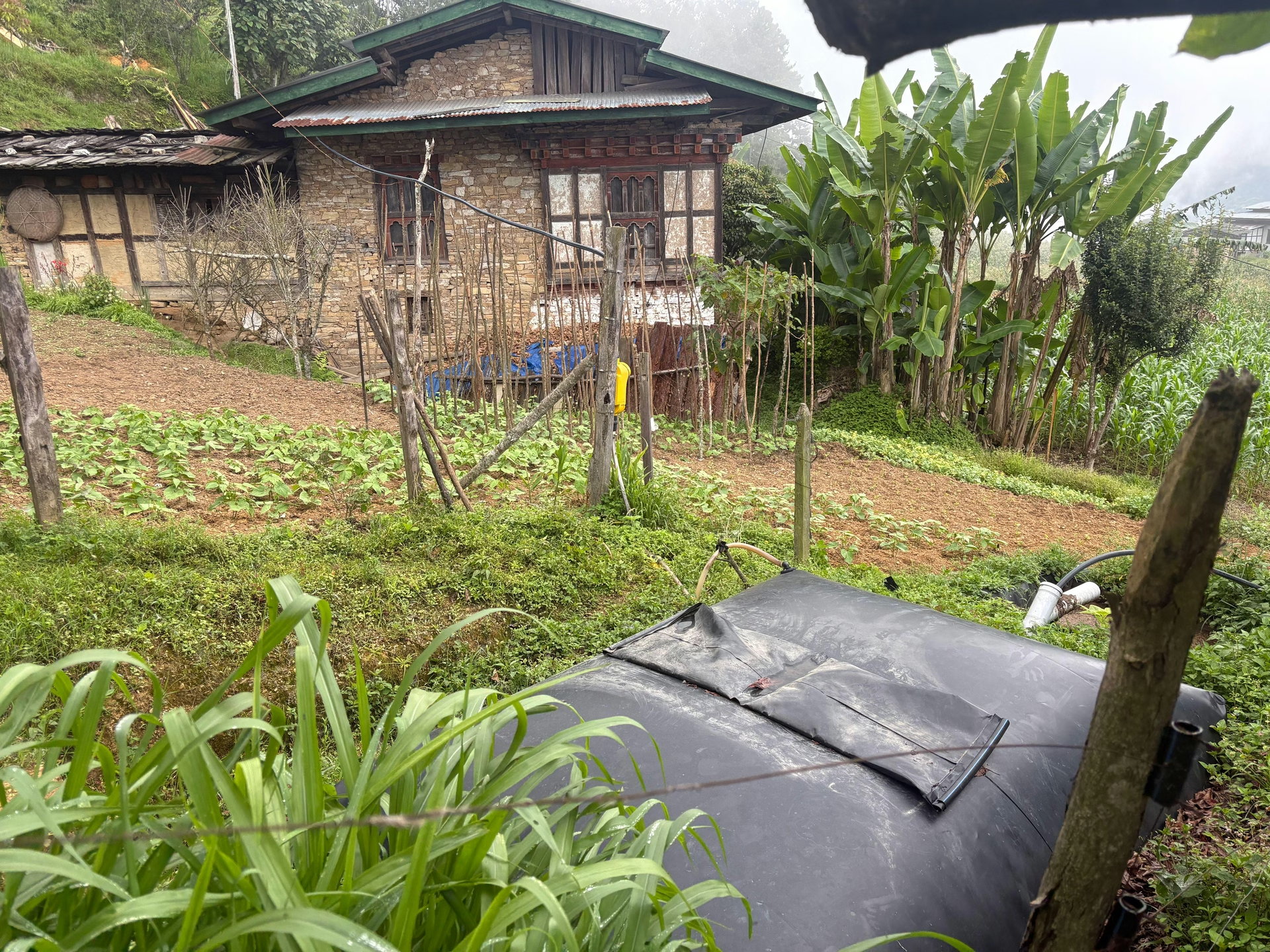
The Sistema Biogas technology was piloted in January last year through a collaborative effort involving the Department of Livestock, Bhutan Ecological Society (BES), and Bhutan Biogas. The initiative aims to provide rural households with a cheaper, faster, and more sustainable alternative to LPG.
How It Works: The Biogas Process
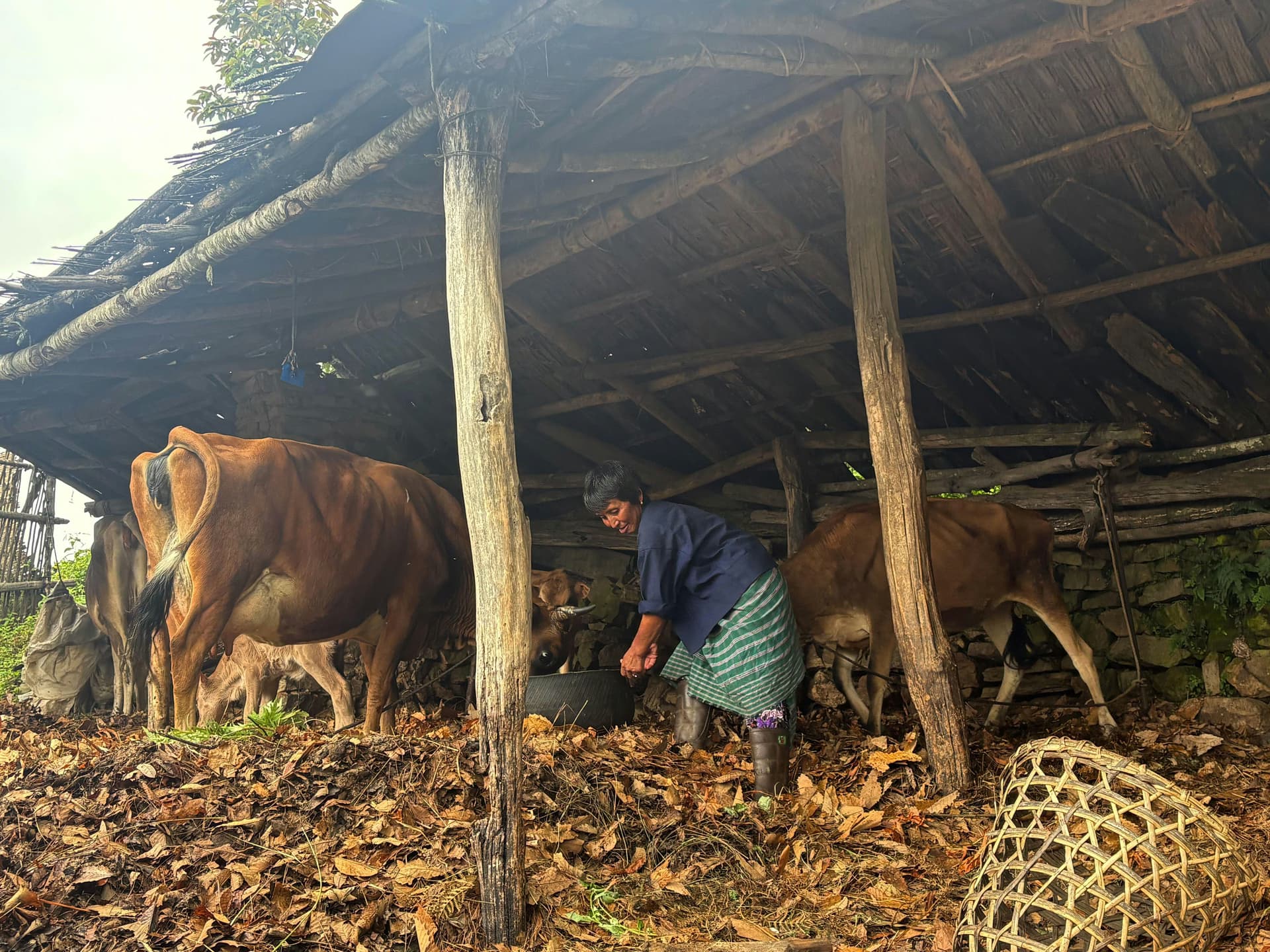
The process is elegantly simple yet profoundly effective. Organic waste, primarily cow dung, is mixed with water and fed into a feeder container connected to a hybrid reactor. As the organic matter decomposes, it produces methane-rich biogas that fuels the household's cooking needs, while the by-product, a nutrient-rich bio-slurry, serves as an organic fertilizer.
Benefits Beyond Energy
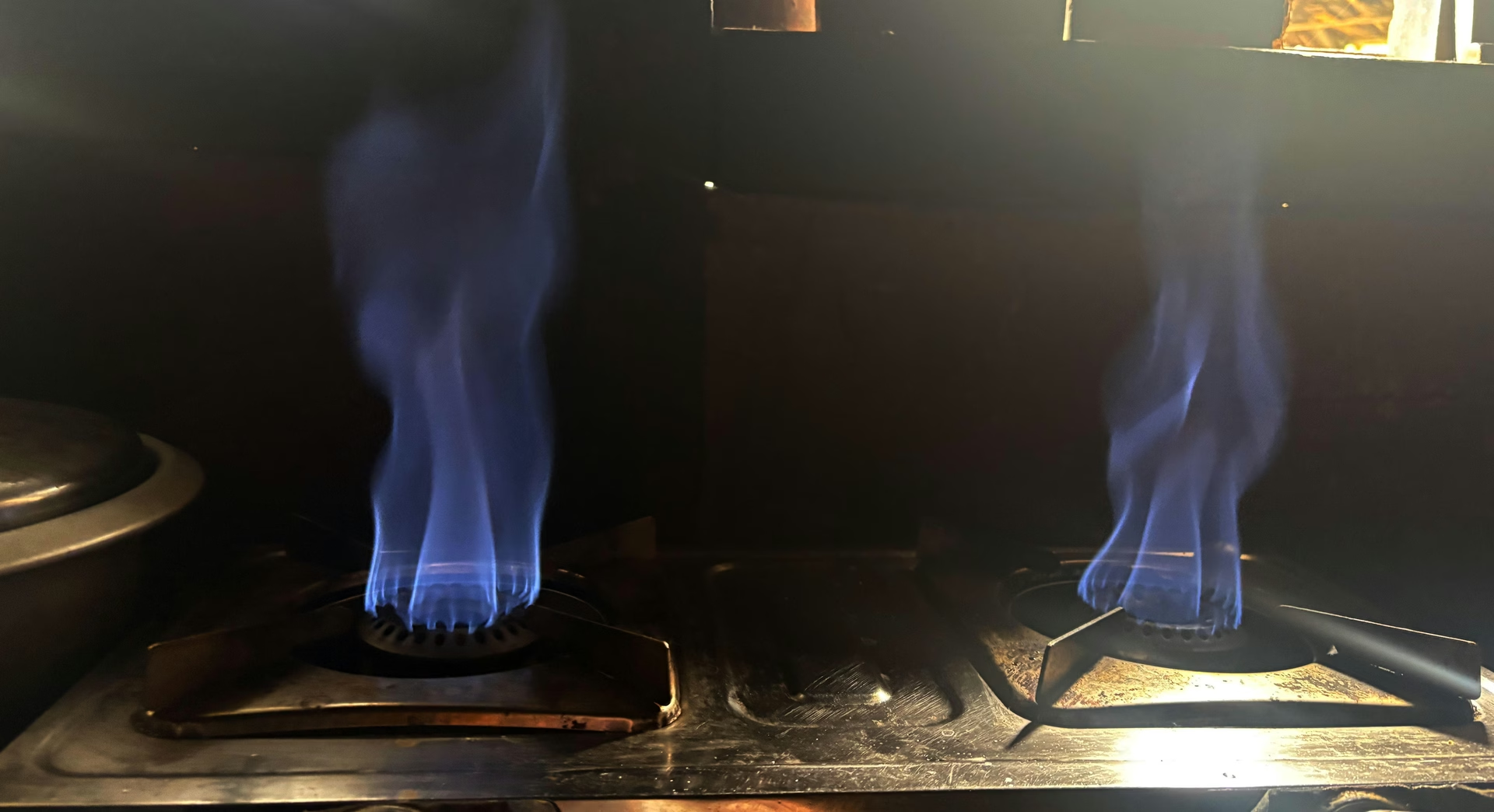
For Sonam's wife, Dechen Choden, the benefits extend beyond energy savings. Previously, she faced a 40-minute journey to Mongar town for each LPG refill, incurring additional taxi costs. Now, the family enjoys a stronger flame from the biogas stove, expediting cooking and heating processes.
Moreover, the bio-slurry promotes sustainable agriculture, enhancing productivity across Sonam's three acres of farmland. This organic fertilizer replaces chemical alternatives, contributing to healthier crops and reduced environmental impact.
Installation Efficiency
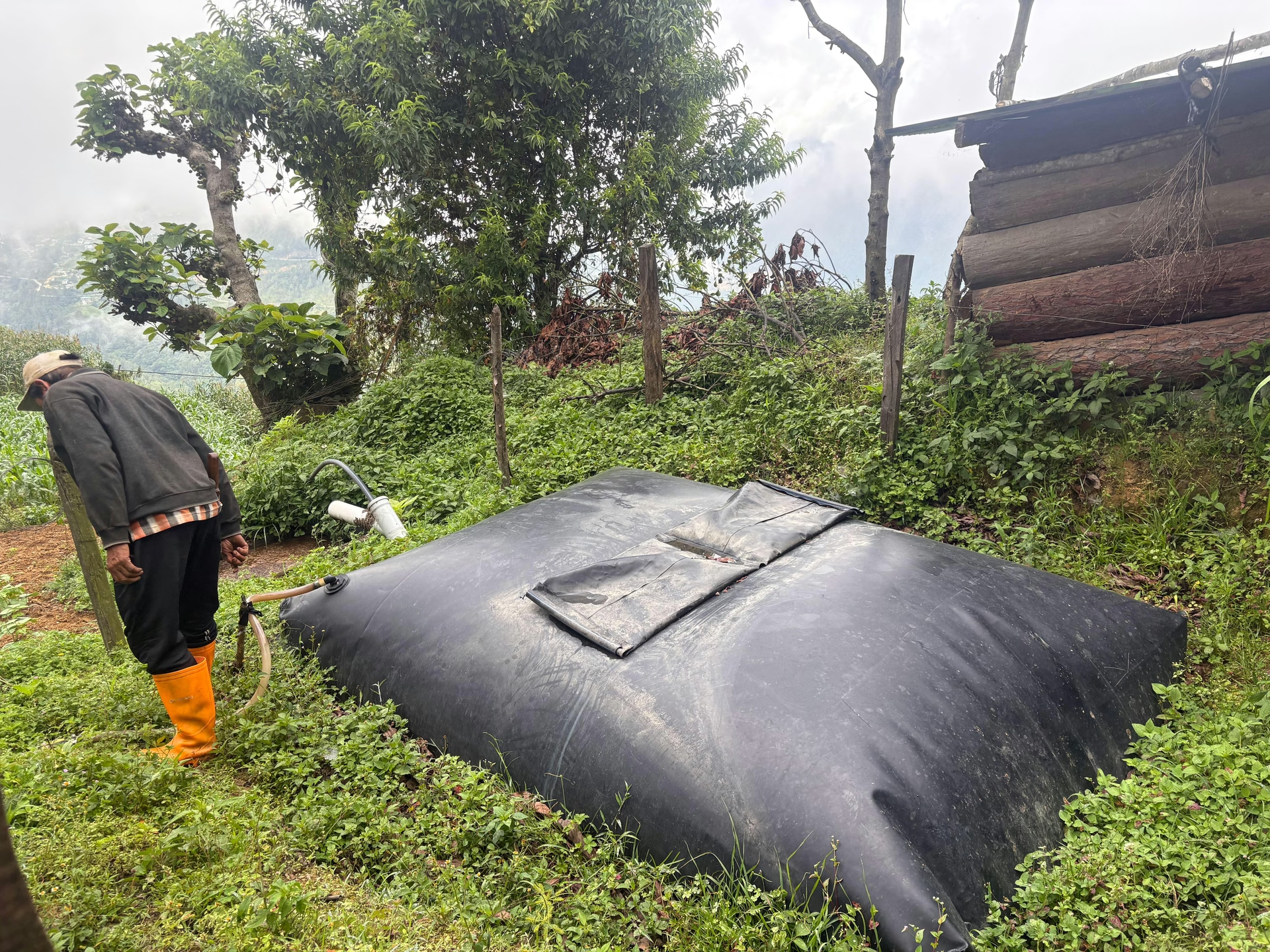
Compared to traditional Dome biogas systems, the Sistema Biogas model offers significant advantages. It requires only a one-meter-deep hole and is fully operational within an hour of installation, eliminating the labor-intensive processes and materials needed for Dome systems.
Overcoming Challenges and Expanding Reach
Despite its numerous benefits, the technology is not without challenges. Gas production tends to decline during colder months. However, warmer regions have been prioritized for future rollouts due to their enhanced efficiency.
BES is eager to expand the project's reach, aiming to implement the system in 12,000 households across Bhutan. This expansion will focus on regions where ambient temperatures favor optimal biogas production. 🌍
The Future of Energy in Bhutan
As Bhutan moves towards a more sustainable future, the success of this pilot project in Chhaling Gewog serves as an inspiring model. It highlights the potential for biogas technology to not only reduce reliance on fossil fuels but also to foster agricultural innovation and environmental stewardship.
Key Takeaways
- Sustainable Energy: Biogas technology offers a viable alternative to LPG, reducing dependency and associated costs.
- Agricultural Benefits: The system produces organic fertilizer, enhancing crop yields without chemical inputs.
- Installation Efficiency: Quick and less labor-intensive compared to traditional systems.
- Expansion Plans: BES aims for a nationwide rollout, prioritizing warmer regions for maximum efficiency.
As Bhutan continues to pioneer sustainable development, the Sistema Biogas initiative in Chhaling Gewog stands as a beacon of innovation and hope, promising a cleaner and greener tomorrow. 🌟
You May Also Like
Environment
Climate Crisis in the Himalayas: Bhutan's Cold Reminder
August 29, 2026
Environment
WBH Conservation Project Delivers Clean Water to Rural Homes
August 29, 2026
Environment
HKH Climate Crisis: Why Regional Unity Matters Now
August 29, 2026
Environment
Bhutan's Solar Power Revolution: Energy Security Strategy
August 26, 2026