Category:
PoliticsOPEC Fund Agreement: Bhutan's New Private Sector Financing Opportunity
A Game-Changing Development for Bhutan's Private Sector 🌍
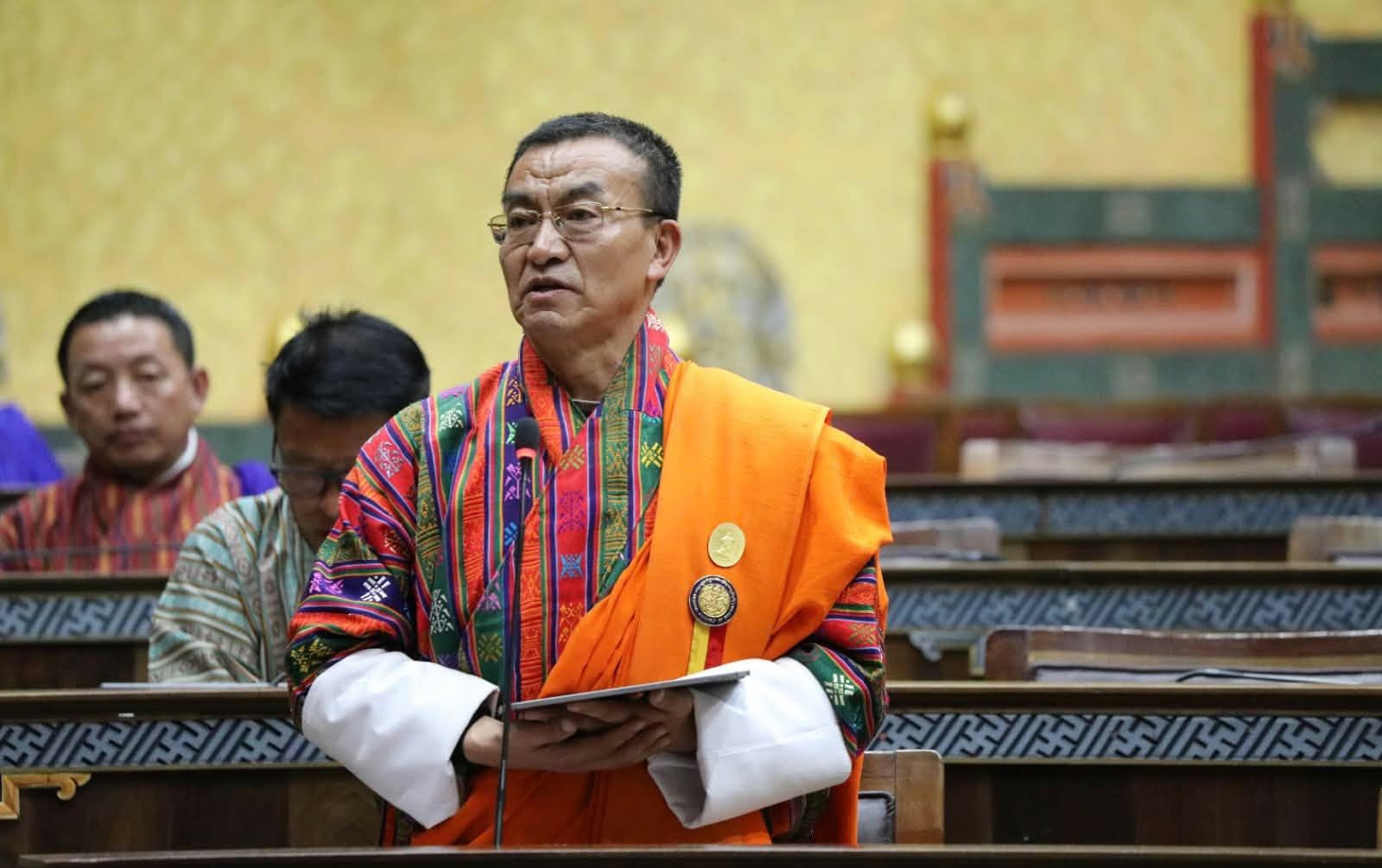
Bhutan stands at a pivotal moment in its economic development. The National Assembly recently engaged in substantial deliberations over a landmark framework agreement with the OPEC Fund for International Development—an accord that promises to unlock unprecedented financing opportunities for the nation's burgeoning private sector. This agreement represents far more than bureaucratic paperwork; it symbolizes Bhutan's strategic positioning within the global financial landscape and its commitment to diversifying funding sources beyond traditional development partners.
The discussions that unfolded in parliament revealed both enthusiasm and thoughtful scrutiny from elected representatives, reflecting the careful balance Bhutan must maintain between welcoming international capital and protecting national interests. Understanding this agreement's implications helps illuminate the path forward for entrepreneurs, investors, and policymakers alike.
Understanding the OPEC Fund's Role in Global Development 💼
Established in 1976 by OPEC member countries, the OPEC Fund for International Development operates as a multilateral development finance institution with a singular mission: supporting economic and social advancement in developing nations worldwide. With decades of experience financing projects across diverse sectors—from infrastructure and renewable energy to healthcare, education, and small business development—the organization brings substantial expertise to the table.
What distinguishes the OPEC Fund from conventional lending institutions is its comprehensive approach to development financing. Rather than merely providing loans, it offers a sophisticated toolkit including guarantees, equity investments, and tailored financing solutions. This flexibility allows developing nations like Bhutan to access capital in ways that align with specific project requirements and national development priorities.
The Framework Agreement: What It Means for Bhutan 📋
The agreement signed on June 24, 2026, establishes a legal foundation for the OPEC Fund to finance private-sector initiatives throughout Bhutan. This isn't about government borrowing or sovereign debt—it's explicitly designed to channel international capital directly to private enterprises seeking growth capital.
Under this framework, the OPEC Fund gains the ability to:
- Provide direct loans to private Bhutanese companies for expansion and development
- Offer guarantees that reduce lending risk and facilitate access to other capital sources
- Acquire equity stakes in Bhutanese enterprises, becoming partial owners in promising ventures
- Mobilize additional financing by attracting co-investors and syndication partners
The agreement extends to both nascent ventures and established businesses looking to scale operations. This comprehensive scope means entrepreneurs at various stages of development can potentially access OPEC Fund support.
Safeguards and Government Oversight 🛡️
A critical feature of the agreement is the robust oversight mechanism built into its structure. Before committing capital to any project, the OPEC Fund must submit written proposals to Bhutan's government for review. This requirement ensures that financing aligns with national development priorities and doesn't contradict government policy objectives.
The government retains explicit veto power over proposed projects. This safeguard prevents misalignment between international capital flows and domestic economic goals—a crucial protection for a nation carefully managing its development trajectory.
Additionally, the agreement mandates that the OPEC Fund treat its investments no less favorably than comparable projects financed by other international financial institutions. This most-favored-nation clause ensures Bhutan isn't disadvantaged relative to other borrowing nations and maintains competitive terms.
The Gelephu Mindfulness City Connection 🏙️
Finance Minister Lekey Dorji specifically highlighted how the agreement would benefit Gelephu Mindfulness City, Bhutan's ambitious urban development project. This special economic zone represents a cornerstone of Bhutan's long-term economic diversification strategy, and OPEC Fund financing could accelerate infrastructure development, commercial establishment, and enterprise creation within this flagship initiative.
The convergence of this international financing mechanism with Bhutan's flagship urban development project demonstrates strategic thinking about channeling foreign capital toward priority sectors and locations. Private developers and entrepreneurs operating within Gelephu could potentially access OPEC Fund support for projects that enhance the city's competitiveness and functionality.
Parliamentary Scrutiny: The Hard Questions 🤔
Bhutan's National Assembly members demonstrated commendable diligence in examining the agreement, raising substantive questions about its implications. Their concerns reflected genuine consideration of how international financing arrangements could affect the nation's fiscal health, currency stability, and borrower protections.
Tax Exemptions and Government Revenue
MPs questioned whether the OPEC Fund's tax exemptions—which apply to the organization's operations and covered activities—might reduce government revenue or create unfair competitive advantages. The distinction between taxing the Fund itself versus taxing businesses receiving its financing proved crucial to this discussion.
Finance Minister Dorji clarified that businesses financed by the OPEC Fund remain fully subject to Bhutan's applicable tax laws. Only the Fund's own assets, revenues, and interest payments arising from covered activities receive tax exemption. This means the government continues collecting corporate income tax, dividends, and other levies from OPEC-financed enterprises—preserving the tax base while granting operational privileges to the international institution.
Currency and Foreign Exchange Implications
Another significant concern centered on loan repayment currencies and implications for Bhutan's foreign currency reserves. MPs questioned whether requiring repayment in non-Indian currencies might strain reserves or create exchange rate exposure.
The Finance Minister responded that foreign currency arrangements would follow protocols established by the Royal Monetary Authority, ensuring consistency with existing frameworks. He also noted that while diversifying financing sources remains important, the Indian rupee—already counted as part of Bhutan's foreign reserves—would continue playing a central role in the nation's financial management. The government doesn't anticipate significant reserve pressure from OPEC Fund arrangements.
Protections for Private Borrowers
MP Rinchen Wangdi raised a pragmatic concern about borrower protections. Given existing challenges with non-performing loans in Bhutan's financial system, what recourse would private companies have if government delays or external circumstances prevented timely repayment? This question highlighted legitimate concerns about liability distribution when international financing meets domestic bureaucratic complexity.
While the Finance Minister acknowledged these concerns, the agreement's dispute resolution mechanisms—beginning with mutual agreement and escalating to binding arbitration under the Permanent Court of Arbitration Rules—provide structured pathways for addressing conflicts.
Comparative Advantage: Why Another Development Partner? 🌐
MP Loday Tsheten posed a logical question: how does the OPEC Fund agreement differ from existing arrangements with established partners like the Asian Development Bank, World Bank, and European Investment Bank?
The answer lies in diversification and specialization. While traditional development banks excel at large infrastructure projects and sovereign lending, the OPEC Fund brings particular expertise in private-sector development financing. Its equity investment capability distinguishes it from purely lending-focused institutions. Additionally, accessing capital from OPEC member states—predominantly oil-rich Gulf nations—introduces new investor networks and financial resources.
Finance Minister Dorji articulated this philosophy succinctly: rather than concentrating financing dependence on a single source or institution, Bhutan benefits from cultivating multiple relationships and exploring diverse opportunities. This approach reduces vulnerability to any single partner's policy shifts and maximizes available capital options.
The India Question: Exploring All Options 🇮🇳
MP Tashi Tenzin asked why Bhutan couldn't pursue additional financing from India, allowing rupee-denominated repayment and reducing foreign currency exposure. This question reflected practical concern about maintaining stability in Bhutan's closest economic relationship.
The Finance Minister's response emphasized that the government actively explores Indian financing options—they're not mutually exclusive with the OPEC Fund agreement. Rather, both represent complementary approaches to capital mobilization. The government pursues a diversified strategy, recognizing that India remains a crucial partner while acknowledging the value of broadening the financing ecosystem.
Parliamentary Approval and Next Steps ✅
Following comprehensive discussion, 26 of 42 National Assembly members present voted in favor of advancing the agreement. The House referred the framework to the Women, Children and Youth Committee for further review, adding another layer of scrutiny before final consideration.
The third reading—the final parliamentary stage—is scheduled for December 1, 2026. This timeline allows the specialized committee adequate opportunity to examine the agreement from gender, youth development, and social impact perspectives, ensuring comprehensive evaluation before final passage.
Dispute Resolution and Termination Provisions 📜
The agreement incorporates sophisticated dispute resolution mechanisms reflecting international best practices. Should disagreements arise between Bhutan and the OPEC Fund, parties first attempt resolution through mutual negotiation. If 60 days pass without resolution, disputes proceed to binding arbitration under Permanent Court of Arbitration Rules—an internationally respected forum.
The agreement contains no predetermined expiration date, providing stability for long-term planning. However, either party can terminate it with six months' written notice. Importantly, termination doesn't retroactively affect existing projects or financial obligations, protecting both parties' legitimate interests.
Environmental and Development Standards 🌱
The Finance Minister emphasized that the agreement incorporates clear environmental requirements, reflecting Bhutan's commitment to sustainable development and its constitutional mandate to maintain forest cover. This provision ensures OPEC Fund-financed projects align with Bhutan's environmental standards and development philosophy.
For a nation that pioneered the Gross National Happiness framework and maintains constitutional environmental protections, this alignment proves essential. International financing must support, not undermine, Bhutan's distinctive development model.
Looking Forward: Opportunities and Considerations 🚀
The OPEC Fund agreement opens substantial possibilities for Bhutanese entrepreneurs and private enterprises. Access to international capital at competitive terms could accelerate business expansion, technology adoption, and job creation. Particularly for ventures in priority sectors like renewable energy, tourism infrastructure, and technology services, the OPEC Fund's financing could prove transformative.
Simultaneously, the agreement underscores Bhutan's sophisticated approach to international financial engagement. Rather than passively accepting capital flows, the government negotiated safeguards, maintained oversight authority, and preserved fiscal autonomy. The parliamentary scrutiny that preceded approval demonstrates democratic institutions functioning as intended—questioning, clarifying, and ultimately endorsing arrangements that serve national interests.
As Bhutan continues navigating economic modernization while preserving its unique development philosophy, partnerships like the OPEC Fund agreement represent strategic tools rather than dependencies. The nation's ability to cultivate multiple international relationships while maintaining clear national priorities suggests a maturing economy increasingly confident in its place within global financial systems.
The December 2026 third reading will likely mark the agreement's final approval, opening a new chapter in Bhutan's private-sector financing landscape and demonstrating the nation's capacity to attract diverse international capital sources.
You May Also Like
Politics
Better Late Than Never: Bhutan's Housing Crisis Demands Urgent Policy Action
November 14, 2026
Politics
Bhutan's New Mining Bill: Environmental Protection and Community Equity
November 14, 2026
Politics
NC Demands Action on Pension Reform: Government Faces Scrutiny
November 14, 2026
Politics
LG Aspirants Challenge Revised Competency Test Standards
November 14, 2026