Category:
PoliticsLG Aspirants Challenge Revised Competency Test Standards
🗳️ The Growing Controversy Over Local Government Election Requirements
Bhutan's local government elections are facing unprecedented scrutiny as unsuccessful candidates mount a formal appeal against the revised competency test framework. This escalating dispute raises critical questions about democratic principles, accessibility, and whether the assessment measures truly reflect the responsibilities of elected local leaders. 🔥
The situation highlights a fundamental tension in Bhutanese governance: balancing the need for qualified leaders with ensuring genuine democratic participation. More than 56 candidates have formally challenged the competency test, arguing that the revised standards deviate significantly from established norms and democratic procedures.
Understanding the Competency Test Controversy 📋
What Triggered the Appeals?
The second attempt of the Literacy and Skills Competency Test (FLT) for the fourth Local Government elections has become the focal point of intense debate. Candidates argue the assessment was fundamentally flawed in three critical areas:
- Lack of Democratic Consultation: No public consultation or parliamentary deliberation preceded the changes
- Irrelevant Content: Questions tested technical and specialized knowledge beyond elected leaders' actual responsibilities
- Stricter Eligibility Requirements: The revocation of previously valid certificates created an unfair disadvantage

Approximately 568 candidates registered for the second round of testing, demonstrating significant public interest in local government positions. However, the exceptionally low pass rate has left many constituencies with insufficient candidates, ultimately limiting voter choice and community representation.
The Certificate Revocation Issue ⚠️
One of the most contentious aspects involves the revocation of competency certificates issued in 2010. These certificates had been recognized as valid through three previous local government election cycles and were originally guaranteed validity until holders reached 65 years of age. The sudden invalidation of these credentials strikes many aspirants as arbitrary and fundamentally unfair.
This decision effectively narrowed the candidate pool significantly. Currently, 202 out of 205 gewogs meet the requirement of at least three Level 1 certificate holders, but two gewogs have only two holders each, while one has just one. Two dzongkhag throms and several chiwogs remain without any certified candidates—a situation that directly compromises democratic representation.
Questioning the Test Content and Relevance 🤔
Beyond the Job Description
Candidates maintain that while literacy and competency matter, the revised test strays far beyond functional literacy into specialized technical domains. The assessment allegedly included questions on:
- Financial management of Nu 60 million budgets (exceeding actual gewog allocations)
- Engineering and technical administration
- Procurement procedures
- Choekey content deemed irrelevant to modern governance
Appealing candidates argue that fewer than 30 percent of questions directly related to their actual roles and responsibilities. Instead, the test emphasized analytical and technical knowledge unnecessary for elected local leaders who work alongside specialized staff including accountants, engineers, and administrative professionals.

The Urban-Rural Disconnect 🏞️
Another significant concern involves the apparent bias toward urban governance realities. Several questions reportedly reflected Thimphu-centric administrative scenarios more relevant to thrompon candidates than to leaders in rural gewogs. This geographic misalignment raises questions about whether the test adequately assesses competency across Bhutan's diverse contexts.
Democratic Principles Under Scrutiny ⚖️
The Representation Question
Appellants emphasize a fundamental democratic principle: voters should determine who represents them, not election commissions. By establishing increasingly stringent eligibility requirements, the Election Commission of Bhutan (ECB) has effectively pre-selected the candidate pool, limiting genuine democratic choice.
The appeal representatives presented a compelling argument: "The Election Commission, directly or indirectly, has determined who can contest the upcoming Local Government elections. The power to choose their representatives should rest with the people, not any organisation."
This concern resonates with broader democratic theory. In functional democracies, eligibility requirements should be minimal and transparent, designed to prevent genuinely unqualified candidates rather than to curate specific candidate profiles.
Inconsistency with Parliamentary Standards 📚
A striking paradox emerges when comparing local government standards to parliamentary requirements. Many candidates holding master's and bachelor's degrees failed the FLT yet remain eligible to contest parliamentary elections—provided they meet the five to 10 years experience requirement.
This inconsistency suggests the revised competency test may be calibrated at an inappropriate difficulty level, potentially requiring local leaders to possess more specialized knowledge than national legislators. Such a framework appears inverted and contradicts logical governance hierarchies.
The Response from Election Officials 🏛️
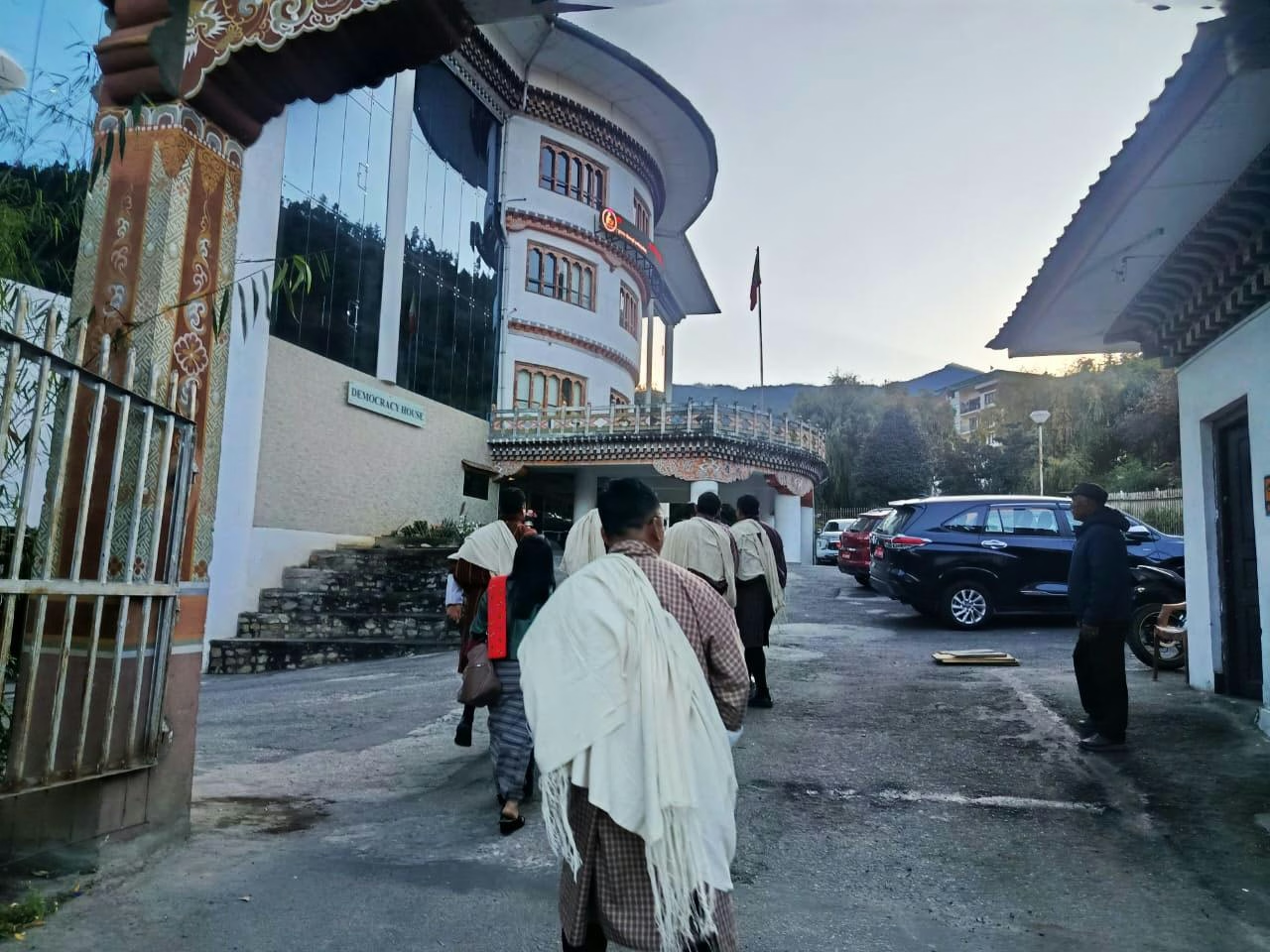
When 16 representatives traveled from various gewogs and chiwogs to submit their formal appeal to the Prime Minister's Office and ECB, they engaged in extensive discussions with election officials, including the Chief Election Commissioner. The meeting extended beyond two hours, reflecting the depth of concerns raised.
Election officials explained their rationale, emphasizing that candidates had been granted a second opportunity to sit the examination and that previously introduced changes could not be reversed. However, this response did little to address the substantive concerns about consultation, relevance, and democratic principles.
More than 40 additional candidates signed the appeal electronically, indicating widespread dissatisfaction across the country. Some appealing candidates have even proposed televised debates with ECB officials to defend their position publicly—a bold move suggesting confidence in their arguments and frustration with the current process.
Implications for Local Governance 🌍
Candidate Pool Constraints
The stringent eligibility requirements have created practical governance challenges. Some constituencies now face:
- No qualified candidates for certain positions
- Only one or two candidates competing in other areas
- Limited voter choice in community leadership selection
- Potential representation gaps affecting local development priorities
When voters cannot select from diverse candidate pools, local government loses legitimacy and responsiveness to community needs.
Experience vs. Academic Knowledge
Many local leaders who failed the recent examination have demonstrated proven abilities through years of public service and tangible community development achievements. This real-world track record arguably matters more than performance on a standardized test emphasizing specialized technical knowledge.
Under the Local Government Act of Bhutan 2009, elected local leaders serve as crucial links between communities and the State. Their primary responsibilities include representing constituents, upholding national interests and policies, convening sessions, implementing resolutions, and keeping communities informed—roles emphasizing communication, representation, and community engagement rather than technical expertise.
The Path Forward 🚀
What Appellants Are Requesting
The appealing candidates have made specific, reasonable requests:
- Recognize previously issued competency certificates as valid, expanding the candidate pool
- Align test content with actual local leader responsibilities
- Implement proper consultation processes before future changes
- Restore democratic principles to candidate selection
These requests don't demand the elimination of competency requirements—only that assessments remain relevant, transparent, and democratically developed.
Broader Governance Implications
This controversy extends beyond local government elections. It raises fundamental questions about how Bhutan balances institutional requirements with democratic participation, how standards are developed and implemented, and whether consultation and transparency are truly embedded in governance processes.
The outcome of this appeal could influence how future eligibility requirements are established across Bhutanese governance institutions. ✨
Conclusion: Democracy Requires Genuine Choice 💫
The appeal against the revised competency test represents more than candidate frustration—it reflects a principled concern about democratic governance. When eligibility requirements become so stringent that they significantly narrow candidate pools and limit voter choice, they undermine the fundamental democratic principle that communities should select their own representatives.
Bhutan's democratic institutions must balance the legitimate need for qualified leadership with ensuring genuine democratic participation. The competency assessment should measure functional capability to perform actual job responsibilities, not specialized technical knowledge better suited to civil service professionals.
As this appeal process continues, stakeholders should consider whether current standards truly serve democratic principles and effective governance, or whether they represent an overcorrection that ultimately weakens local representation and community voice in Bhutan's governance system. The resolution of this dispute will signal important messages about how Bhutan values both democratic participation and institutional accountability.
Key Takeaway: Effective governance requires balancing qualification standards with democratic access. When eligibility requirements exceed the actual demands of elected positions, they risk becoming barriers to representation rather than guarantees of competency.
You May Also Like
Politics
Better Late Than Never: Bhutan's Housing Crisis Demands Urgent Policy Action
November 14, 2026
Politics
OPEC Fund Agreement: Bhutan's New Private Sector Financing Opportunity
November 14, 2026
Politics
Bhutan's New Mining Bill: Environmental Protection and Community Equity
November 14, 2026
Politics
NC Demands Action on Pension Reform: Government Faces Scrutiny
November 14, 2026