Category:
PoliticsBhutan's New Mining Bill: Environmental Protection and Community Equity
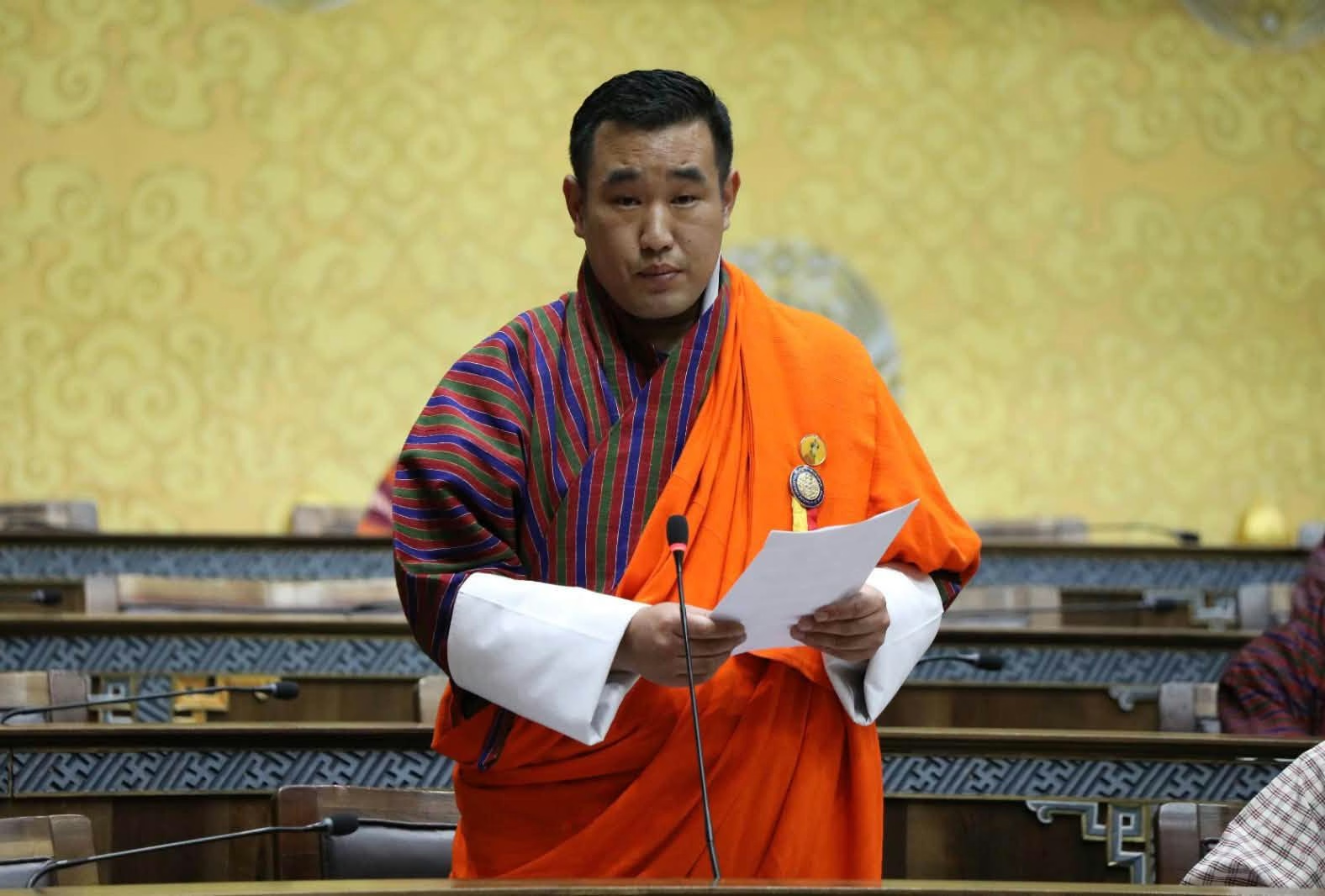
A Landmark Legislative Shift in Bhutan's Mining Sector 🏔️
After more than five years of deliberation and refinement, Bhutan is preparing to revolutionize its approach to mineral resource management. The Energy and Natural Resources Ministry has reintroduced comprehensive mining legislation designed to address environmental concerns, prevent monopolistic practices, and ensure local communities benefit from extraction activities. This represents a significant evolution in how the nation manages one of its most economically important sectors.
The mining industry continues to contribute substantially to Bhutan's national revenue. Recent financial data shows corporate income tax from mining operations reached Nu 1.2714 billion in 2025, demonstrating the sector's ongoing importance to government finances. However, stakeholders across the political spectrum recognize that the current regulatory framework, largely unchanged since 1995, requires substantial modernization to address 21st-century challenges.
Understanding the New Mining Bill Framework 📋
The proposed legislation comprises 14 comprehensive chapters designed to replace key provisions of the 1995 Mines and Minerals Management Act. The bill's primary objectives focus on four critical areas: strengthening transparency and accountability in mineral resource management, improving regulatory oversight and monitoring capabilities, maximizing revenue and economic benefits for the state, and promoting socially and environmentally responsible mining practices.
The Ministry of Energy and Natural Resources maintains overarching authority over all mineral resources, including approval, transfer, and renewal of mining and quarrying leases. This centralized approach ensures consistent policy implementation while allowing the ministry to periodically review mineral royalty rates, revise applicable fees, and identify areas with mineral potential to inform future infrastructure planning.
The Two-Lease Ownership Cap: Preventing Monopolies 🚫
One of the bill's most significant provisions addresses concerns about market concentration in the mining sector. The legislation establishes a strict limit preventing any individual or private entity from holding more than two mining or quarrying leases, with limited exceptions for state-owned mining agencies and leases secured through public auction.
This cap represents an important safeguard against monopolistic control of Bhutan's mineral resources. By preventing excessive concentration of mining rights, the policy encourages healthy competition while protecting smaller operators and local entrepreneurs from being squeezed out of the market. The provision already exists in current practice, but formalizing it within legislative framework provides stronger legal protections.
The bill does allow the Ministry to grant preference to state-owned agencies when allocating strategic mineral resources where national security, strategic economic interests, or critical supply chain security are at stake. However, this preference explicitly does not confer exclusive rights or create monopolies, maintaining space for qualified private sector participation.
The Mine Reclamation Fund: Environmental Accountability 🌱
Perhaps the most transformative element of the new mining bill is the establishment of a dedicated Mine Reclamation Fund. This innovative financial mechanism ensures that mining companies bear direct responsibility for restoring land degraded by extraction activities, addressing one of the sector's most persistent environmental concerns.
The Department of Geology and Mines will administer the fund, determining contribution amounts and frequency from leaseholders. This approach creates a binding financial commitment to environmental restoration before mining operations commence. The principal amount accumulated in the fund will specifically finance mine reclamation according to each operator's closure plan.
How the Reclamation Fund Works 💰
Financial securities held in the reclamation fund will only be released once the Department of Geology and Mines confirms that restoration activities are complete and meet established standards. This verification process ensures accountability and prevents operators from abandoning degraded sites.
An innovative feature allows interest earned by the fund to support broader environmental initiatives, including afforestation, revegetation, and ecosystem management projects. This creates a self-sustaining mechanism where mining operations indirectly fund landscape restoration beyond individual mine sites.
The bill requires comprehensive environmental documentation before mining approval. Applicants must submit prefeasibility studies, detailed geological reports, feasibility studies, and detailed mine closure and reclamation plans. Leaseholders must prepare Environmental and Social Risk Management Plans, while operators of hazardous mines must develop emergency response protocols.
Community Equity and Local Benefit-Sharing 👥
The new mining bill directly addresses longstanding concerns about how extraction benefits are distributed among affected communities. Mining companies operating in Bhutan will face mandatory requirements to engage affected communities throughout their operational lifecycle and demonstrate commitment to local economic participation.
Companies must give preference to local residents and businesses in employment opportunities, procurement of goods and services, and equipment hiring. This requirement creates tangible economic opportunities for community members beyond simple royalty payments to government.
Community Equity Ownership Provisions 🤝
Communities materially affected by mining operations receive priority opportunities to acquire equity stakes in companies operating in their areas. This innovative provision transforms affected communities from passive recipients of extraction impacts into active stakeholders with ownership interests in mining ventures.
These equity arrangements remain subject to applicable company and securities laws, ensuring proper governance and investor protections. The provision recognizes that communities bearing the environmental and social costs of mining should share proportionally in economic gains.
Enhanced Regulatory Oversight and Enforcement 🔍
The Department of Geology and Mines receives expanded powers under the new framework to ensure compliance with lease conditions and legal requirements. The department can suspend mining operations for material breaches of lease conditions, violations of applicable law, or threats to national security, environmental integrity, or public health.
Importantly, the bill includes procedural protections for operators. Except in cases involving urgent risks requiring immediate intervention, companies receive written notice and reasonable opportunity to remedy violations before operational suspension. This balanced approach maintains environmental and social protections while allowing operators fair opportunity to address compliance issues.
The Legislative Journey: Why the Previous Bill Stalled ⏸️
The current mining bill iteration represents the second major legislative attempt to modernize Bhutan's mining regulations. The previous version, introduced in June 2021, faced parliamentary deferment after six joint committee meetings failed to produce consensus among stakeholders.
The intervening years proved valuable for legislative maturation. The Department of Geology and Mines used this period to rework contentious provisions, particularly those addressing strategic mineral allocation. These refined provisions have now advanced to Cabinet discussion and parliamentary consideration.
Director General of the Department of Geology and Mines emphasized that the deferment represented an internal parliamentary process rather than permanent abandonment. The additional time enabled comprehensive stakeholder consultation and technical refinement of complex provisions.
Broader Context: Mining's Role in Bhutan's Economy 📊
Mineral extraction remains significant to Bhutan's fiscal framework despite the nation's primary focus on sustainable development and environmental conservation. Corporate income tax from mining operations has demonstrated relative stability, ranging from Nu 1.1 billion to Nu 1.27 billion annually in recent years.
Non-tax royalty revenue from mining adds additional government income, though exact figures vary year to year based on commodity prices and extraction volumes. This revenue supports government services and development initiatives across the country.
The mining sector's economic importance must be balanced against environmental considerations and community impacts. Bhutan's unique development philosophy, enshrined in the concept of Gross National Happiness, requires that economic growth serve broader social and environmental objectives rather than pursuing extraction at any cost.
What the Bill Means for Stakeholders 🎯
For Mining Companies: The new framework establishes clearer regulatory requirements, more transparent processes, and stronger environmental accountability mechanisms. While compliance costs may increase initially, long-term operational certainty and improved community relations reduce project risks.
For Local Communities: Enhanced benefit-sharing provisions, employment preferences, and equity ownership opportunities create direct pathways for economic participation. Communities gain voice in mining decisions affecting their territories and environments.
For Government: Improved regulatory oversight, transparent resource allocation, and enhanced revenue collection mechanisms strengthen state capacity to manage mineral resources strategically. The framework supports long-term economic planning and infrastructure development.
For Environmental Conservation: The reclamation fund, mandatory environmental planning, and enhanced regulatory oversight represent significant advances in protecting Bhutan's ecosystems from extraction impacts. The bill aligns mining regulation with national environmental commitments.
Looking Forward: Implementation and Implications 🔮
The National Assembly has approved the bill's First and Second Readings and referred it to the Environment and Climate Change Committee for further scrutiny. This committee review will examine technical provisions and ensure alignment with existing environmental policies and international best practices.
Successful implementation will require coordination among multiple government agencies, private sector adaptation, and community engagement. The Department of Geology and Mines must develop detailed administrative guidelines translating legislative provisions into operational procedures.
The mining bill represents Bhutan's attempt to achieve balanced development—supporting economic growth while protecting environmental integrity and ensuring equitable benefit distribution. As global demand for minerals continues rising and climate change pressures intensify, this legislative framework positions Bhutan as a model for responsible resource management in the developing world.
The bill's passage would mark a watershed moment in Bhutanese mining regulation, establishing standards that could influence regional approaches to sustainable resource extraction. Whether implementation achieves its ambitious objectives will depend on commitment from government, mining operators, and affected communities to prioritize long-term sustainability over short-term extraction gains.
You May Also Like
Politics
Better Late Than Never: Bhutan's Housing Crisis Demands Urgent Policy Action
November 14, 2026
Politics
OPEC Fund Agreement: Bhutan's New Private Sector Financing Opportunity
November 14, 2026
Politics
NC Demands Action on Pension Reform: Government Faces Scrutiny
November 14, 2026
Politics
LG Aspirants Challenge Revised Competency Test Standards
November 14, 2026