Category:
NewsNganglam-Panbang Highway Delayed: New 2028 Completion Timeline
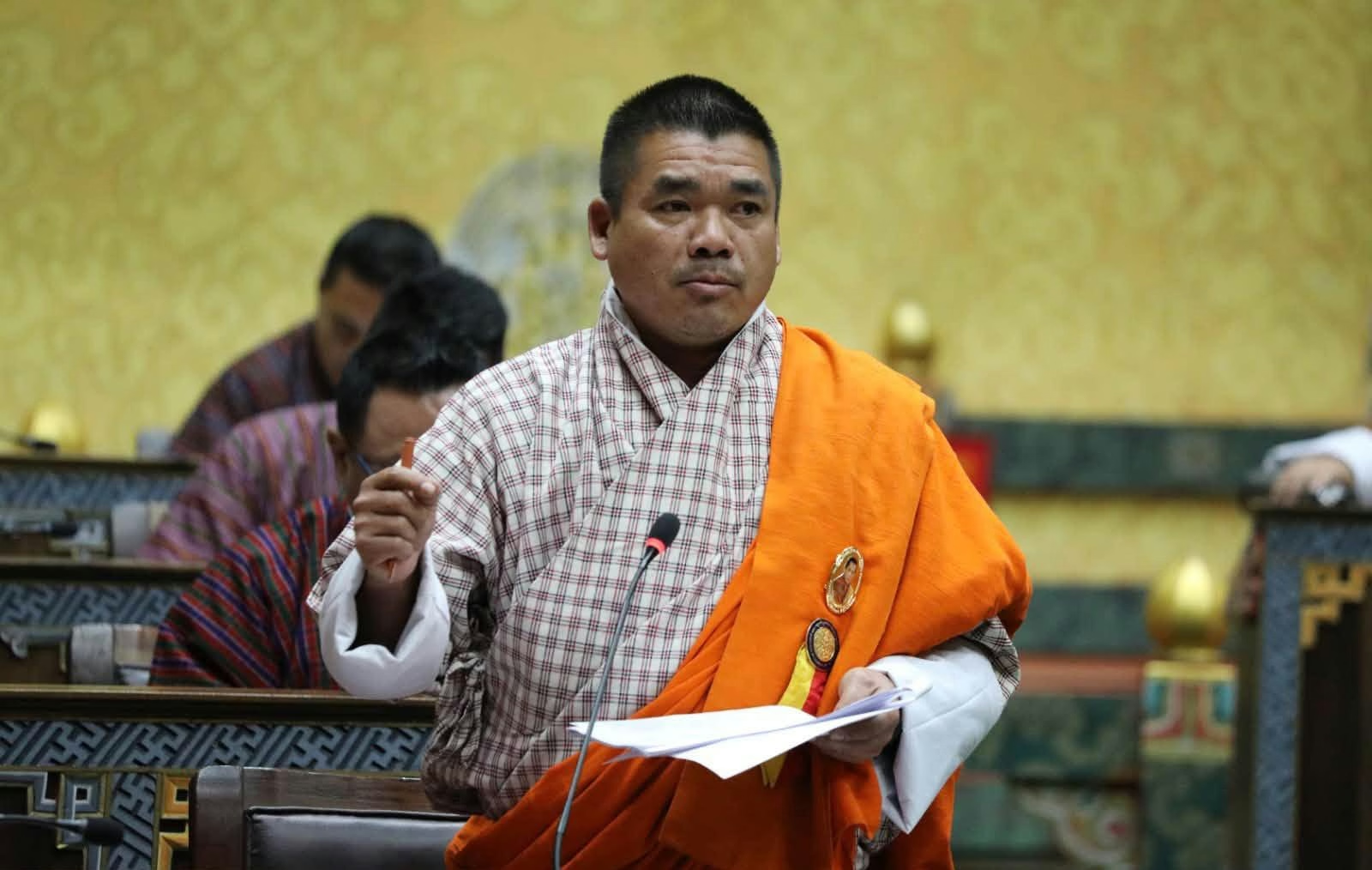
Bhutan's ambitious infrastructure development plans have hit a significant roadblock as the Nganglam-Panbang Highway project faces substantial delays, with completion now pushed to March 2028. 🛣️ This 55-kilometre primary national highway represents a critical investment in regional connectivity, but the extended timeline has raised concerns among local representatives and stakeholders about the pace of development in the country's eastern regions.
Understanding the Nganglam-Panbang Highway Project 🏗️
The Nganglam-Panbang Highway stands as one of Bhutan's most significant infrastructure undertakings, with an administrative approval budget of Nu 737.78 million. Originally envisioned for completion within two years of project commencement, the ambitious timeline has proven unrealistic given the complex terrain and logistical challenges inherent in constructing roads through Bhutan's mountainous landscape.
Project DANTAK, a renowned infrastructure development organization, assumed responsibility for the project on May 9, 2025, following the official award on April 16, 2025. Despite the organization's extensive experience with similar projects across the region, the construction progress has remained slower than anticipated, prompting parliamentary scrutiny and ministry intervention.
Current Progress and Implementation Challenges ⚠️
As of October 2026, the Nganglam-Panbang Highway project has achieved only 8.75 percent physical progress—a figure that underscores the magnitude of delays plaguing the initiative. More concerning to Nganglam MP Lamdra Wangdi is the stark disparity between planned and actual construction milestones.
The project relies on 360 precast concrete culverts to manage water drainage and structural integrity along the highway. Currently, only a limited number of these critical components remain under construction, creating a significant bottleneck that threatens the overall project timeline. This represents a fundamental challenge in the construction methodology that requires immediate attention and resource reallocation.
The decision to utilize precast concrete culverts rather than conventional cast-in-situ methods was intended to accelerate construction and ensure superior quality consistency. However, the manufacturing and installation pace has not met expectations, necessitating a comprehensive review of production capacity and logistics management.
The Resurfacing and Blacktopping Constraint 🚧
Another complicating factor involves the sequential nature of the project's execution. While Project DANTAK focuses on foundational road development work, the resurfacing and blacktopping contract was separately awarded to a Bhutanese private contractor on August 18, 2026. This contractor cannot commence operations until DANTAK completes the essential groundwork, creating a dependency that has amplified concerns about overall project completion.
This contractor-sequencing challenge illustrates a broader issue in Bhutan's infrastructure development: the coordination required between multiple stakeholders with different timelines and priorities. The ministry has recognized this constraint and is now pursuing a section-wise handover approach, allowing the surfacing contractor to begin blacktopping completed segments rather than waiting for the entire 55-kilometre stretch to reach completion.
Government Response and Monitoring Mechanisms 📊
The Ministry of Infrastructure and Transport (MoIT) has implemented comprehensive oversight mechanisms to address implementation challenges and ensure accountability. The Department of Surface Transport (DoST) receives monthly physical and financial progress reports from Project DANTAK, creating a structured framework for performance monitoring.
High-level review meetings bring together officials from DoST and DANTAK to assess progress, identify bottlenecks, and agree on corrective measures. The most recent coordination meeting occurred on July 9, with subsequent meetings scheduled for November 24 and beyond. This structured engagement reflects the ministry's commitment to maintaining project momentum despite current setbacks.
Minister of Infrastructure and Transport Chandra Bahadur Gurung acknowledged the delays while emphasizing the ministry's determination to complete the project within the revised March 2028 deadline. The minister assured parliamentary members that quality and construction standards would not be compromised in efforts to accelerate completion.
Regional Context and Broader Infrastructure Strategy 🌏
The Nganglam-Panbang Highway delay must be understood within Bhutan's broader infrastructure development landscape. The country has undertaken multiple simultaneous road projects, each competing for resources, equipment, and skilled personnel. This portfolio approach has created both opportunities for efficiency and challenges in resource allocation.
The 58-kilometre Samrang-Jomotsangkha Secondary National Highway has achieved 85.42 percent progress, with December 2026 completion targeted. Similarly, the Khothakpa-Tshobaley Phase II improvement project has recorded impressive 92.99 percent progress, also scheduled for December 2026 completion. These successes contrast sharply with the Nganglam-Panbang project's sluggish pace.
The 24-kilometre Nganglam-Dewathang Phase I project has achieved 81.88 percent progress with a January 2027 target completion date. Meanwhile, Phase II of the same corridor has recorded 21.4 percent progress and is expected to be completed by December 2027. The Dewathang-Samdrupcholing improvement project, spanning 51 kilometres, remains in early stages with 10.18 percent progress and a March 2028 completion target.
Resource Reallocation Strategy 💡
Minister Gurung indicated that resources could be prioritized for the Nganglam-Panbang highway following the anticipated completion of the Samrang-Jomotsangkha and Khothakpa-Tshobaley road projects in December 2026. This strategic sequencing suggests that equipment and skilled labor currently engaged on other projects will be redirected to accelerate Nganglam-Panbang construction activities.
This resource reallocation approach reflects pragmatic infrastructure management, acknowledging that Bhutan's construction capacity, while growing, remains finite. By staggering project completions, the ministry aims to maintain quality standards across all initiatives while gradually freeing up resources for priority projects.
Parliamentary Oversight and Accountability 🏛️
The parliamentary scrutiny of the Nganglam-Panbang Highway project demonstrates the importance of legislative oversight in infrastructure development. Nganglam MP Lamdra Wangdi's concerns about slow progress prompted detailed government responses and commitments to enhanced monitoring.
Mongar MP Naiten Wangchuk's follow-up questions regarding contract completion timelines further underscore the legislature's engagement with infrastructure accountability. This level of parliamentary involvement ensures that infrastructure projects remain responsive to regional needs and public expectations.
The government's willingness to extend the project deadline from the original two-year timeline to March 2028 represents a significant acknowledgment of implementation realities. Rather than adhering to unrealistic schedules, the ministry has opted for transparency about challenges while committing to specific revised deadlines.
Quality Assurance and Construction Standards 🔍
Despite the delays, the ministry has emphasized that construction quality and standards will not be compromised. The decision to utilize precast concrete culverts reflects this commitment to quality, as these prefabricated components typically offer superior consistency compared to conventional cast-in-situ methods.
The section-wise handover approach also supports quality assurance by allowing thorough inspection and testing of completed segments before handover to the surfacing contractor. This staged completion methodology, while potentially extending timelines, ensures that each section meets established standards before advancing to subsequent phases.
Looking Ahead: Completion and Regional Impact 🚀
The Nganglam-Panbang Highway's completion in March 2028 will represent a transformative development for eastern Bhutan's connectivity and economic prospects. Once operational, the highway will facilitate improved trade flows, enhanced emergency services access, and increased tourism opportunities for communities along the corridor.
The project's successful completion will also validate Bhutan's infrastructure development strategy and demonstrate the government's commitment to equitable regional development. For residents of Nganglam and surrounding areas, the highway represents not merely a transportation improvement but a gateway to broader economic and social opportunities.
Key Takeaways 📌
- The Nganglam-Panbang Highway project has been extended to March 2028, representing a one-year delay beyond the original timeline
- Current progress stands at 8.75 percent as of October 2026, indicating substantial work remains
- Project DANTAK's reliance on precast culvert manufacturing and the sequential nature of resurfacing contracts have complicated implementation
- The ministry has implemented comprehensive monitoring mechanisms and high-level review meetings to address challenges
- Resource reallocation from completing projects is expected to accelerate Nganglam-Panbang construction in 2027
- Quality standards remain paramount despite timeline pressures
- Regional development benefits will be significant upon project completion
The Nganglam-Panbang Highway project exemplifies the complexities inherent in Bhutan's infrastructure development ambitions. While delays are frustrating, the government's transparent approach to revised timelines and comprehensive monitoring mechanisms demonstrate a mature approach to project management. As the nation continues investing in regional connectivity, the successful completion of this highway will set important precedents for future infrastructure initiatives across Bhutan's challenging terrain.
You May Also Like
News
Australia Tightens Training Visa Rules: New Overseas Application Requirements
November 14, 2026
News
Healthcare Access Crisis: Thousands in Thimphu Struggle to Reach Care Services
November 11, 2026
News
Child Safety Crisis: Addressing Violence Against Girls
November 11, 2026

News
Bhutan's GNH Philosophy Shapes Global Development Debate
November 11, 2026