Category:
NewsChild Safety Crisis: Addressing Violence Against Girls
A Nation's Reckoning 💔
Bhutan faces an agonizing question that demands immediate attention: how many more young girls must suffer tragic fates before meaningful change takes hold? The brutal rape and murder of a 12-year-old schoolgirl in Kabesa, Thimphu in November 2024 has pierced the nation's collective conscience, exposing systemic failures in child protection that have persisted for years. This devastating incident represents far more than an isolated tragedy—it reflects a crisis that demands comprehensive, urgent reform.
A child should never fear for her safety walking home from school. Yet this fundamental right has been violated repeatedly in Bhutan. The Kabesa case, where an innocent student was found sexually assaulted, strangled, and partially buried in a forest, exemplifies the horrific reality facing vulnerable children in the nation.
The Disturbing Pattern of Violence 🚨
This tragedy is not unprecedented. In 2019, Bhutan witnessed two similarly devastating cases involving schoolgirls in Paro and Thimphu, both dying under deeply troubling circumstances. These cases provoked nationwide outrage and sparked demands for stronger protective systems. Yet seven years later, the nation continues to grapple with unanswered questions about accountability, justice, and systemic reform.
The statistics paint an alarming picture of child protection failures:
- 661 cases of violence against children were recorded between June 2023 and September 2026 by the PEMA Secretariat
- 67.2 percent of these cases involved sexual violence
- In 2025 alone, police documented 59 cases of rape involving children above 12 years old
- An additional 35 cases of child molestation and 8 cases of statutory rape were reported in the same year
These figures represent not merely statistics, but individual lives disrupted, families shattered, and a society failing its most vulnerable members.
A Clarion Call for Legislative Action 📋
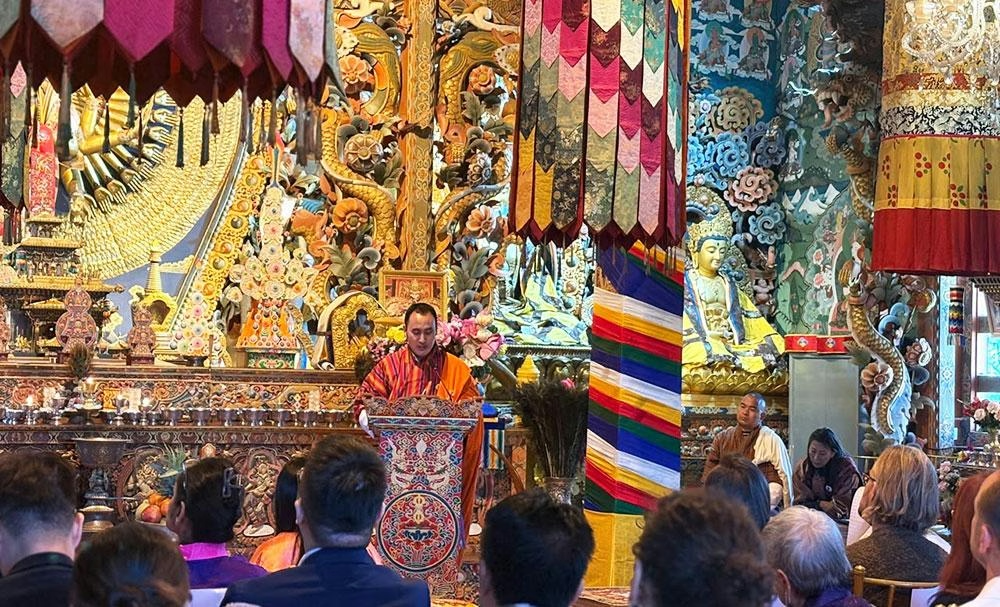
Her Majesty The Gyaltsuen recognized the urgency of this crisis. During her address at the Fourth PEMA Symposium on October 10, 2024—just weeks before the Kabesa tragedy—Her Majesty issued a powerful call for lawmakers to review penalties for rape and sexual offences against children. She emphasized that punishments must reflect the genuine gravity of such crimes.
This royal intervention underscores what many observers have long recognized: Bhutan's legal framework requires fundamental strengthening. Current legislation, while providing foundational protections, has proven insufficient in deterring perpetrators or ensuring swift justice for victims.
Key legislative priorities include:
- Increased penalties for sexual offences against minors
- Expedited trial procedures for child abuse cases
- Enhanced victim protection provisions
- Mandatory reporting requirements for suspected abuse
- Specialized training for law enforcement handling child cases
Beyond Laws: A Whole-of-Society Response 🤝
While legislative reform remains essential, Bhutan's leaders and citizens must recognize a fundamental truth: legislation alone cannot create a safe society for children. Protecting vulnerable young people demands coordinated action across multiple sectors and societal levels.
Families as First Guardians
Parents and guardians must serve as the primary protective force. This requires open communication with children about personal safety, awareness of warning signs, and vigilant monitoring of a child's whereabouts and associations.
Community Responsibility
Neighborhoods and communities must reclaim their traditional role in child protection. This involves fostering environments where children feel safe reporting concerns, where neighbors watch out for suspicious activity, and where collective values prioritize child welfare.
Educational Institutions' Role
Schools and teachers occupy a critical position in child protection. Educators must be trained to identify vulnerable students, recognize behavioral changes indicating abuse, and ensure safe transportation home. In many developed nations, younger schoolchildren cannot depart school without authorized parental or guardian presence—a practice Bhutan should seriously consider, particularly for primary students traveling through isolated areas.
Institutional Strengthening: The Missing Piece 🏛️
The Child Care and Protection Act provides Bhutan with a legal foundation, yet this framework remains undermined by institutional constraints. Laws become meaningless without functioning protection mechanisms, adequately trained personnel, sufficient budgets, and effective inter-agency coordination.
Critical institutional needs include:
- Modern forensic capabilities for complex crime investigation
- Specialized training for police handling child abuse cases
- Adequate funding for protection services and investigations
- Efficient coordination between police, judiciary, social services, and schools
- Victim support systems providing counseling and rehabilitation services
- Swift justice mechanisms ensuring perpetrators face consequences without compromising due process
Financial constraints cannot continue justifying institutional inaction. Child protection demands investment as a national priority.
The Death Penalty Debate: Justice Without Vengeance ⚖️
Public demand for capital punishment reflects profound anguish—an understandable response to unimaginable brutality. Yet Bhutan must resist the temptation to abandon its foundational principles of compassion, humanity, and respect for life in pursuit of vengeance.
Historically, capital punishment has not proven more effective than lengthy imprisonment in deterring violent crimes. Justice must be firm, certain, and uncompromising—but driven by the rule of law rather than retribution. Swift prosecution, substantial sentences, and genuine accountability serve justice more effectively than emotional reactions to tragedy.
Bhutan's Buddhist traditions emphasize rehabilitation and compassion. These values need not conflict with holding perpetrators rigorously accountable through proportionate legal consequences.
Spiritual Renewal Meets Earthly Responsibility 🙏
The Kabesa tragedy occurred during an extraordinary period of national spiritual celebration. Bhutan had recently witnessed the historic raising of 108 chortens in Gelephu Mindfulness City, blessed by His Holiness the 17th Gyalwang Karmapa. These sacred ceremonies offered moments of collective faith and spiritual renewal.
Yet this juxtaposition reveals a profound challenge: spiritual devotion alone cannot create a compassionate, just, or safe society. Religious observance must translate into concrete actions protecting the vulnerable. Faith finds its truest expression in how communities safeguard those unable to protect themselves.
A Collective Responsibility 👥
Here lies the uncomfortable truth many prefer to avoid: protecting children is not exclusively the government's, police's, or schools' responsibility. It belongs to everyone. Every citizen shares accountability for creating a society where young girls can walk home safely from school.
This collective responsibility demands:
- Vigilance in reporting suspicious behavior
- Education about warning signs of abuse
- Support for victims and their families
- Advocacy for policy reforms
- Cultural shift prioritizing child safety above all other considerations
Honoring Lives Through Action 🌟
The 12-year-old girl in Kabesa deserved a childhood, an education, and a future. So did the girls whose deaths devastated Bhutan in 2019. Their lives cannot be restored, but their deaths need not be meaningless.
Honoring these young lives requires more than grief and outrage. It demands transformation—legislative, institutional, and cultural. Bhutan stands at a crossroads. The nation can continue addressing child violence reactively, responding to tragedies with temporary attention before moving forward unchanged. Or it can commit to systemic reform ensuring that future generations of girls grow up safe, protected, and free from fear.
The time for incremental change has passed. Bhutan's leaders, institutions, families, and communities must act decisively now. The alternative—more preventable tragedies, more shattered families, more blood on collective hands—is unacceptable. The question "How many more girls must die?" demands not contemplation but action. The nation's moral character depends on the answer.
You May Also Like
News
Healthcare Access Crisis: Thousands in Thimphu Struggle to Reach Care Services
November 11, 2026
News
Bhutan's GNH Philosophy Shapes Global Development Debate
November 11, 2026
News
Kabesa Schoolgirl Case: Understanding Violence Against Bhutanese Children
November 11, 2026
News
Trust Takes Centre Stage at Trans-Himalayan Conference
November 11, 2026