Category:
NewsInnovative Solutions for Amochu Project Challenges
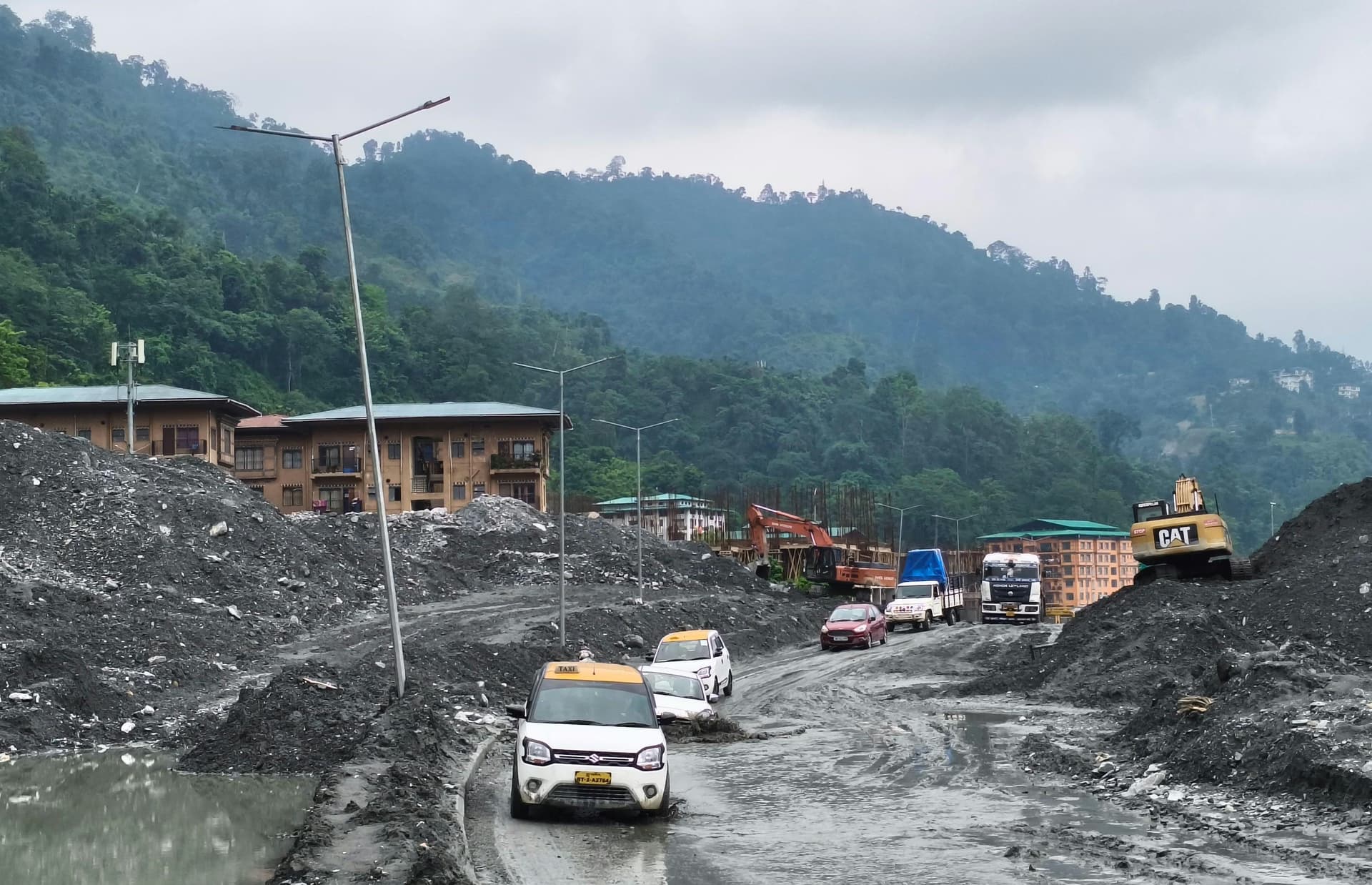
The Amochu project in Bhutan has recently faced significant challenges due to erratic climatic conditions and geological changes 🌧️. These factors have transformed the area into a flood-prone zone, posing risks to infrastructure and economic activities.
Understanding the Amochu Project
The Amochu project is a developmental initiative aimed at enhancing infrastructure and economic connectivity in Phuentsholing, a bustling Bhutanese town. However, frequent landslides and floods have tested the limits of existing mitigation measures, highlighting the need for more robust solutions.
The Impact of Natural Disasters
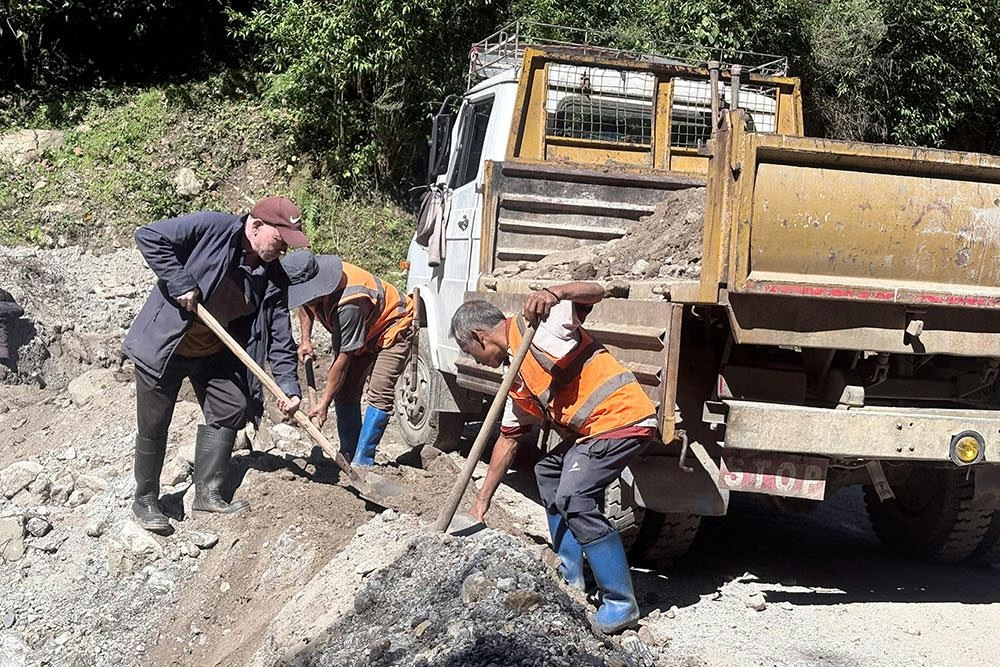
Recent floods have caused significant disruption. The Phuentsholing Thromde reported about Nu 1.4 million spent on clearing flood-affected roadblocks in just 15 days. The floods have damaged infrastructure, including roads and bridges, with some areas still submerged in muddy waters.
Causes of the Floods
The primary cause of these floods is suspected to be a massive landslide at Marpjee in Phuentsholing Gewog. This landslide, active since late last year, has deposited large amounts of debris into the river, leading to severe flooding in the plains.
Solutions and Mitigations
To address these challenges, authorities are considering several solutions:
- Enhanced Engineering Solutions: Reinforcing existing flood barriers and constructing new ones that can withstand higher sediment loads.
- Climate-Resilient Infrastructure: Implementing climate-resilient designs for roads and bridges to ensure they can endure extreme weather conditions.
- Community Engagement: Involving local communities in planning and maintenance efforts to improve response times and effectiveness.
Economic and Social Impacts
The disruptions have significantly affected businesses and daily life. The roadblock has impacted businesses reliant on the route for exports, tourism, and daily commuting.
Business Challenges
- Exporters face delays, affecting the supply chain and revenues.
- Tourism has declined, impacting local businesses that rely on tourist traffic.
- Indian truck drivers, essential to Bhutan's logistics, face immigration challenges due to roadblocks.
Community and Education
Residents and students commuting to Phuentsholing are also affected, with travel times increasing and access to educational institutions becoming difficult.
Looking Forward: Sustainable Strategies
To prevent future disruptions, a combination of short-term and long-term strategies is essential:
- Short-term Measures: Immediate clearance of debris and temporary rerouting of traffic.
- Long-term Planning: Investment in sustainable infrastructure that anticipates climatic changes.
Conclusion: Building Resilience 🌍
The Amochu project stands as a critical test of Bhutan's ability to adapt to environmental changes. With innovative solutions and community cooperation, the region can build resilience and ensure sustainable development for the future. The lessons learned here could serve as a model for other regions facing similar challenges.
Key stakeholders must prioritize these strategies to ensure the Amochu project's success and the safety of its surrounding communities.