Category:
NewsHis Majesty Graces Royal Highland Festival 2026
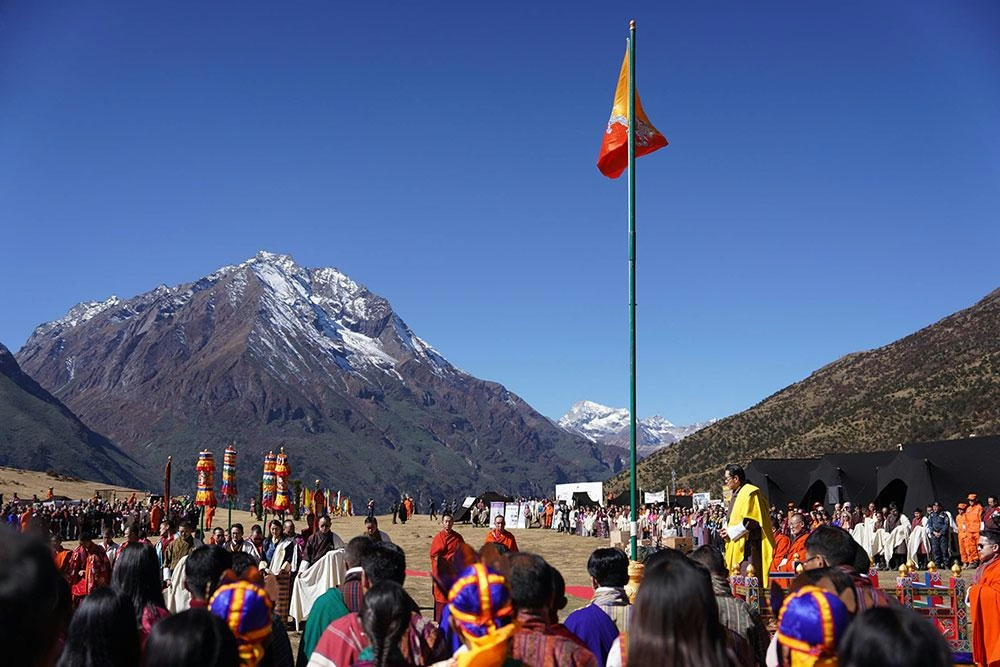
A Royal Celebration of Highland Heritage 🎉
The pristine alpine meadows of Laya, Gasa, recently played host to one of Bhutan's most culturally significant celebrations. His Majesty The King's gracious presence at the 2026 Royal Highland Festival underscored the nation's unwavering commitment to preserving the unique traditions and livelihoods of its mountain communities. Held on October 23-24, this year's edition marked another milestone in the festival's journey to showcase the extraordinary richness of Bhutanese highland culture to both domestic and international audiences.
The Royal Highland Festival has evolved into far more than a mere cultural showcase—it represents a powerful symbol of national unity and royal stewardship over the kingdom's most remote and resilient communities. With each passing year, the festival grows in significance, drawing visitors from across the globe who seek authentic experiences and meaningful connections with Bhutan's highland heritage.
The Festival Grounds Come Alive ✨
The Langothang plateau transformed into a vibrant cultural marketplace during the two-day celebration. Traditional yak-hair tents, their distinctive woven patterns visible against the mountain backdrop, created an immersive atmosphere that transported visitors back through generations of highland living.
Festival-goers experienced an extraordinary array of authentic highland offerings:
- Culinary traditions: Visitors sampled traditional highland cuisine, featuring locally-sourced ingredients and time-honored cooking methods that reflect the region's unique elevation and climate
- Artisanal products: Local craftspeople displayed handwoven textiles, traditional yak-butter sculptures, and other handcrafted items that represent centuries of highland expertise
- Cultural performances: Traditional songs, dances, and theatrical presentations showcased the artistic heritage of Laya's residents
- Competitive events: Animal shows and horse racing provided thrilling entertainment while celebrating the pastoral traditions central to highland life
- Community engagement: Visitors stayed in local homestays, fostering direct cultural exchange and providing crucial economic benefits to highland families
This multi-faceted approach to cultural celebration ensures that tourism directly supports highland communities while maintaining authentic cultural integrity.
From Royal Vision to Community Empowerment 👑
The Royal Highland Festival's origins trace back to 2016, when it was established through Royal Command as a strategic initiative to preserve and promote highland culture. What began as a visionary concept has blossomed into a major annual event that attracts thousands of visitors and generates significant economic opportunities for some of Bhutan's most isolated settlements.
The festival's growth reflects a broader national strategy to balance modernization with cultural preservation. By creating economic incentives through tourism and cultural promotion, Bhutan has found an elegant solution to a challenge facing many developing nations: how to retain young people in remote areas while maintaining traditional ways of life.
Historic Launch of the Himalayan Yak Herders' Network 🌍
A landmark development unfolded during this year's festival with the formal establishment of the Himalayan Yak Herders' Network. This groundbreaking initiative represents the first regional platform dedicated to connecting yak herding communities across the Himalayan region, bringing together herders from Bhutan, India, and Nepal under a unified framework.
The network's strategic importance cannot be overstated:
Regional Cooperation: By establishing cross-border collaboration among yak herding communities, the network creates opportunities for shared knowledge, best practices, and collective advocacy on issues affecting highland pastoral economies.
Institutional Support: With its secretariat hosted in Bhutan, the network positions the kingdom as a regional leader in highland development and cultural preservation initiatives.
Economic Resilience: Yak herding communities face unprecedented challenges from climate change, market fluctuations, and migration pressures. A coordinated regional platform enables these communities to address shared challenges collectively and access broader markets for their products.
This network exemplifies Bhutan's sophisticated approach to balancing national interests with regional cooperation, positioning the kingdom as a thoughtful steward of Himalayan highland communities.
Land Security and Livelihood Stability 🏡
During his visit to Laya, His Majesty made a transformative announcement that will profoundly impact highland households. The royal grant of Khimsa Kidu—a traditional Bhutanese land tenure security document—was extended to 57 additional households from the settlements of Soe, Lingshi, and Tsento.
The significance of this gesture extends beyond ceremonial recognition. Khimsa Kidu provides legal documentation of land ownership, offering these households:
- Enhanced security of land tenure in perpetuity
- A firmer legal foundation for home construction and property development
- Improved collateral for accessing financial services and credit
- Psychological assurance regarding generational property rights
- Greater incentive for long-term investment in land improvements and sustainable practices
This year's grant brings the cumulative total of Khimsa Kidu recipients to 800 households across six highland regions: Merak, Sakteng, Laya, Lunana, Barshong, and Dagala. The systematic approach to land documentation reflects the National Land Commission Secretariat's meticulous work in conducting surveys, verification processes, and comprehensive land-record management.
The Broader Context of Highland Development 📊
Highland communities in Bhutan occupy a unique position within the nation's development narrative. These settlements, often situated above 3,000 meters elevation, face distinctive challenges including limited accessibility, harsh weather conditions, and economic constraints that differ markedly from lowland regions.
The government's integrated approach to highland development addresses multiple dimensions simultaneously:
Cultural preservation through festivals and heritage promotion programs
Economic diversification via tourism, artisanal product marketing, and regional trade networks
Infrastructure development including improved road access and communication systems
Land security through systematic documentation and tenure formalization
Regional cooperation via platforms like the Himalayan Yak Herders' Network
This comprehensive strategy recognizes that sustainable development cannot rely on a single intervention but requires coordinated efforts across cultural, economic, legal, and social dimensions.
Looking Forward: The Future of Highland Festivals 🔮
The 2026 Royal Highland Festival demonstrates the enduring relevance of cultural celebration in contemporary Bhutan. As the kingdom continues its measured approach to development, initiatives like this festival serve multiple critical functions: they preserve invaluable cultural heritage, generate economic opportunities for remote communities, attract international visitors and foreign exchange, and reinforce national identity and cohesion.
The festival's trajectory suggests continued growth in both scale and significance. With improved transportation infrastructure and increasing international interest in authentic cultural experiences, highland communities are well-positioned to become major destinations for conscious travelers seeking meaningful engagement with traditional societies.
Key Takeaways 🎯
The 2026 Royal Highland Festival represents far more than a cultural celebration—it embodies Bhutan's sophisticated approach to balancing tradition with progress. His Majesty's participation underscores the royal family's deep commitment to highland communities and their continued prosperity. Through initiatives like the Himalayan Yak Herders' Network and expanded Khimsa Kidu grants, Bhutan is creating sustainable frameworks that empower highland residents while preserving their irreplaceable cultural heritage. As these communities continue to thrive, they serve as powerful reminders that modernization and cultural authenticity need not be opposing forces, but can instead reinforce one another in service of genuine human flourishing.
You May Also Like
News
Founder-Centric CSOs: Accountability & Governance Challenges
October 24, 2026
News
Punakha Road Workers Challenge Wage Deductions
October 24, 2026
News
Drukair Employee Arrested in Major Cannabis Smuggling Investigation
October 23, 2026
News
Gelephu Prepares for 40,300 Vehicles Ahead of Project 108
October 21, 2026