Category:
NewsHow Roads, Power, and Connectivity Transformed Merak
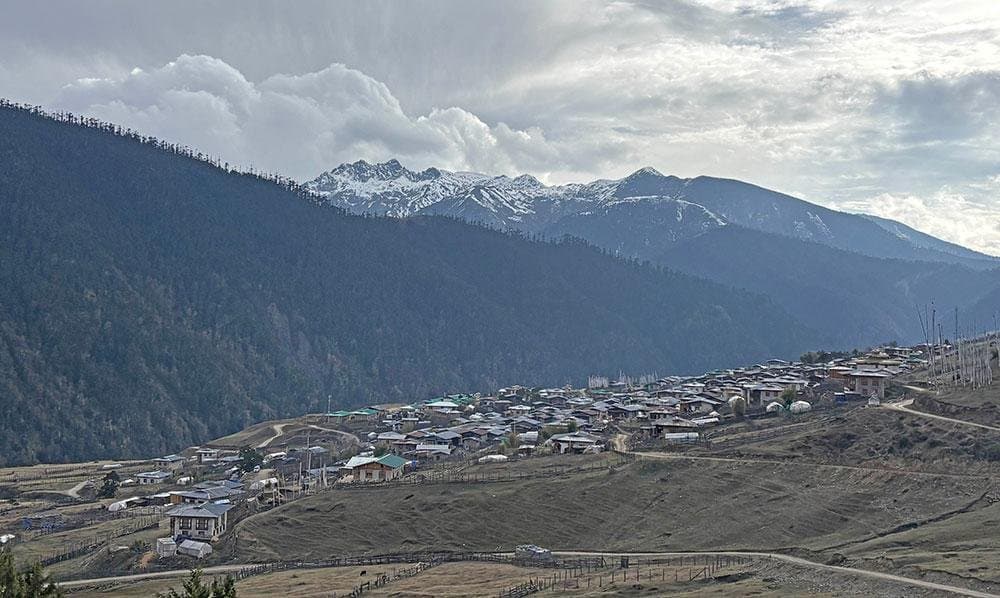
Nestled in the highlands of Trashigang, Merak has long been known for its remote and rugged terrain. But over the past two decades, this once-isolated gewog has experienced a profound transformation. Roads, electricity, and mobile connectivity have woven a new fabric of daily life for its residents, marking the dawn of a new era.
A Journey from Isolation to Integration 🚗
Merak, home to around 2,000 people across 380 households, was electrified in 2008. The introduction of a mobile network in 2009 and road connectivity in 2011 further accelerated its transformation. Before these developments, Merak's residents, like Tashi Wangdi, relied on horses to transport essentials, making multiple trips over days to stockpile supplies.
Historical Context and Industry Trends
The changes in Merak mirror a broader trend across Bhutan, where rural electrification and infrastructure development have been prioritized to bridge the urban-rural divide. According to the Bhutan Power Corporation, the country achieved 100% rural electrification in 2019, a milestone that underscores the government's commitment to equitable development.
The Impact of Infrastructure on Daily Life 🏡
The blacktopping of roads has drastically cut travel time to Trashigang, enabling residents to access markets, healthcare, and education more conveniently. Dawa, a local resident, notes how these improvements have allowed people to upgrade their homes with modern amenities such as gas stoves and electric heaters, enhancing quality of life.
Communication Revolution 📱
Mobile connectivity has ushered in a new era of communication for Merak. Previously, organizing community meetings required extensive travel to inform yak herders and households scattered across the landscape. Now, with internet access, platforms like WeChat have become central to community coordination.
Statistics and Trends
According to the Bhutan InfoComm and Media Authority, mobile penetration in Bhutan has surged, with over 90% of the population having mobile access as of 2023. This connectivity has been pivotal in integrating remote communities into the national fabric.
Economic Opportunities and Modernization 🌟
With infrastructure in place, economic opportunities have blossomed. Lobzang Tashi highlights how young people are now venturing into businesses, a shift that was previously unimaginable. The ease of transporting goods has spurred this entrepreneurial spirit, enabling residents to turn ideas into viable income sources.
A New Standard of Living 🔧
The availability of modern construction materials has led to significant home improvements. Where traditional fire stoves once dominated, residents now enjoy tiled toilets and installed water heaters, previously considered luxuries.
Conclusion: A Vision for the Future 🔮
The transformation of Merak is a testament to the power of infrastructure in reshaping communities. As roads, power, and connectivity continue to improve, Merak stands as a beacon of hope and progress. The story of Merak is not just about development; it's about empowerment and the promise of a brighter future for its residents.
Looking ahead, continued investments in infrastructure and connectivity will be crucial in unlocking further economic potential and enhancing the quality of life for communities across Bhutan. As Merak's story unfolds, it serves as a reminder of the transformative impact that roads, power, and connectivity can have in bridging divides and fostering prosperity.
You May Also Like
News
Women Entrepreneurs Master AI and Digital Tools in Phuentsholing
September 1, 2026
News
Can Samtse Keep Up With Its Growing Workforce?
August 29, 2026
News
Nepal Flood Exposes Critical Gaps in Bhutan's Early Warning Systems
August 29, 2026
News
High Court Overturns Acquittal: Doctor Sentenced to 10 Years for Child Sexual Abuse
August 29, 2026