Category:
NewsKabesa LAP Moves Forward After Long Awaited 15-Year Delay
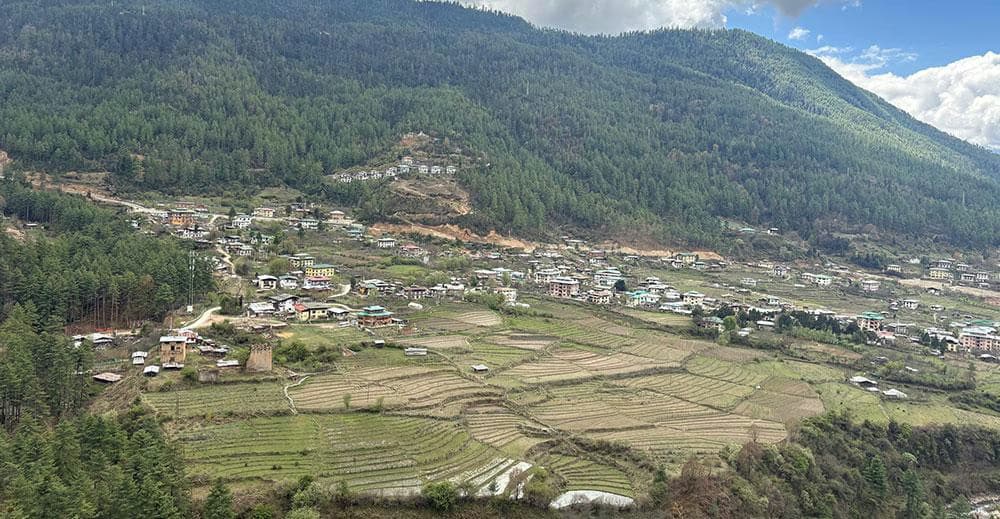
The long-awaited Local Area Plan (LAP) for Kabesa is finally seeing the light of day after a protracted delay of 15 years. Residents of this picturesque locale in Bhutan are eagerly anticipating the plan's endorsement, which will enable them to begin constructing their homes and developing their lands. The wait has been arduous, with many watching their stored construction materials deteriorate over the years.
A Long Road to Approval 🚧
For over a decade, Kabesa landowners have faced a moratorium on development due to unresolved debates over land use. The primary contention arose from the proposal to convert wetlands into urban lands, a move that pitted development aspirations against environmental conservation. This conflict was significant in delaying the approval of the LAP.
The Ministry of Infrastructure and Transport (MoIT) played a pivotal role in navigating these challenges. The Department of Human Settlement spearheaded the LAP, addressing land pooling, road alignments, and other planning intricacies. The plan, once endorsed, will provide a clear framework for infrastructural development, aligning with the Thimphu Structure Plan and Design Code.
Community Engagement and Consultation 🤝
The journey to this point has been comprehensive, involving multiple rounds of public consultations and committee meetings. The MoIT has actively engaged with stakeholders, including dzongkhag and gewog representatives, as well as Kabesa landowners, to ensure a participatory planning process. This collaborative approach has been crucial in resolving disputes and aligning the interests of various parties.
The Structure of the Plan 📐
The LAP covers an extensive area of 506.513 acres, with land designated for various uses. Notably, 239.630 acres are available for land pooling, with a 25 percent allocation for public amenities like roads, parks, and utilities. This strategic land use planning is designed to foster sustainable development while preserving cultural landscapes and promoting agricultural activities.
Zoning and Development Standards 🏗️
In line with the Thimphu Structure Plan, the LAP categorizes the area into different zones with specific guidelines. Residential zones are designated based on topography, with FAR (Floor Area Ratio) limits set to manage development density. Steeper areas have stricter FAR regulations to ensure safety and environmental protection.
Future Prospects and Infrastructure Development 🔮
Looking ahead, the LAP envisions Kabesa as an agricultural-based urban area, promoting tourism and cultural settlements. The plan includes proposals for roads, mobility enhancements, and green spaces, slated for implementation in the fiscal year 2026–2027. This forward-thinking approach is aimed at integrating agriculture with urban development, enhancing the region's appeal as a tourism destination.
Overcoming Challenges and Moving Forward 🏆
The endorsement of the LAP marks a significant milestone for Kabesa and its residents. It reflects a broader trend in Bhutan's urban planning, balancing developmental needs with environmental stewardship. The government’s commitment to sustainable growth and community involvement sets a precedent for future projects across the nation.
Key Takeaways and What to Expect Next 📅
As the LAP moves toward final endorsement and implementation, residents can look forward to beginning construction and development activities. The meticulous planning and community engagement processes have set the stage for Kabesa's transformation, fostering a vibrant, sustainable, and economically viable community.
The progression of the Kabesa LAP serves as a reminder of the importance of patience, collaboration, and strategic planning in achieving long-term urban development goals. With the endorsement imminent, Kabesa is poised to become a model for sustainable development in Bhutan, blending modern infrastructure with traditional values and natural beauty.
You May Also Like
News
Women Entrepreneurs Master AI and Digital Tools in Phuentsholing
September 1, 2026
News
Can Samtse Keep Up With Its Growing Workforce?
August 29, 2026
News
Nepal Flood Exposes Critical Gaps in Bhutan's Early Warning Systems
August 29, 2026
News
High Court Overturns Acquittal: Doctor Sentenced to 10 Years for Child Sexual Abuse
August 29, 2026