Category:
NewsFour Districts Focus on Three Key Commodities
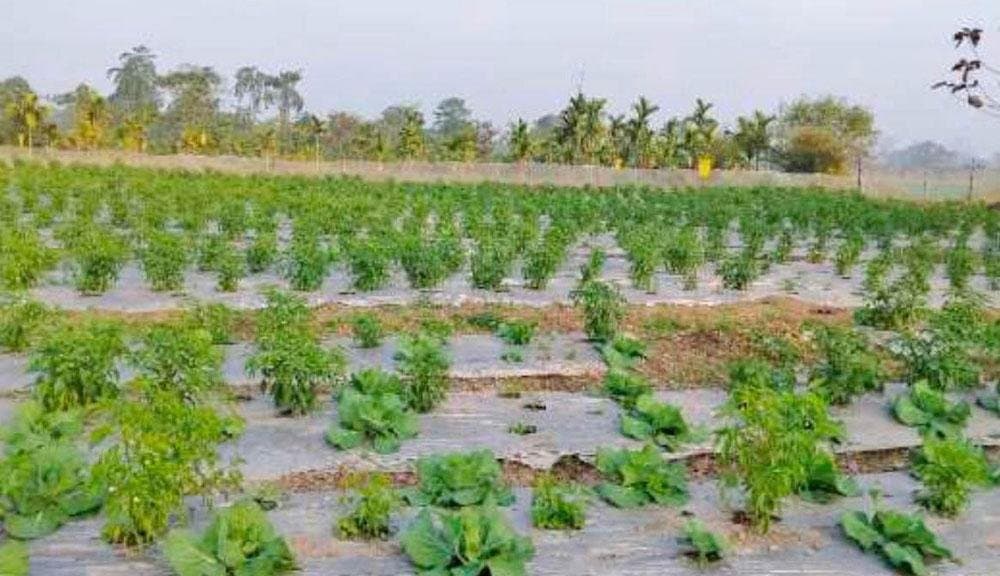
In a strategic move to bolster Bhutan's agricultural sector, the Building Resilient Commercial Smallholder Agriculture (BRECSA) project has shifted its focus to prioritize three key commodities in each of four target districts. This initiative is part of the updated Agriculture Resilience Plan (ARP 2.0) and aims to enhance production, ensure sustainability, and fortify market linkages. 🌾✨
Strategic Commodity Selection
The decision to streamline from eight to three commodities per district reflects BRECSA's commitment to creating a robust agricultural value chain. The selected commodities—dairy, mushroom, and green tea in Trongsa; poultry, piggery, and vegetables in Tsirang; mushroom, poultry, and vegetables in Sarpang; and dairy, coffee, and spices in Zhemgang—are tailored to each district's unique agricultural strengths and market potentials. 💡
Trongsa's Agricultural Initiatives
Trongsa's focus on dairy is complemented by initiatives like pasture development and artificial insemination, aimed at improving herd quality and milk production. The district is also cultivating green tea as a perennial income source, benefiting over 80 households with irrigation and training support. Additionally, the local vegetable market has been upgraded to bolster sales and income. 🍵
Tsirang's Poultry and Piggery Focus
In Tsirang, the establishment of poultry and piggery clusters is set to transform the district into a hub for egg and pork production. This is supported by advanced farm management training and biosecurity measures. The district's vegetable production is also being enhanced through irrigation, fodder development, and citrus revival initiatives. 🐓🐖
Sarpang's Climate-Resilient Agriculture
Sarpang is pioneering climate-resilient practices with controlled-environment mushroom sheds and water-harvesting systems. These measures, along with biodigesters and vermicompost units, are paving the way for sustainable high-value crop production. The district's strategic tie-ins with Gelephu's referral hospital ensure a steady market for these products. 🍄
Zhemgang's Diverse Agricultural Base
Zhemgang is leveraging its natural resources to boost dairy, coffee, and spice production. The introduction of improved cattle sheds and pasture development is set to increase milk supply, while coffee and spice production is being organized through cooperative networks. This district's focus on export readiness is supported by land development and post-harvest machinery for turmeric. ☕
Youth and Tech-Driven Hubs
Central to BRECSA's strategy is the creation of 16 agri-food hubs by 2030, designed to be youth-led and multifunctional. These hubs serve as production zones and processing centers, and they're instrumental in training and supporting local farmers. Digital tools are being explored to assist farmers in managing their operations efficiently, from tracking prices to optimizing transport options. 🧑🌾💻
Comprehensive Market Linkages
Establishing strong market linkages is a cornerstone of BRECSA's approach. Multi-stakeholder platforms, trade fairs, and institutional buyers are being leveraged to create reliable market channels. This ensures that farmers not only produce but also have clear pathways to sell their goods, thus completing the agricultural cycle from production to market. 📈
Conclusion: A Blueprint for Agricultural Success
The BRECSA project's model of prioritizing select commodities and establishing agri-food hubs offers a replicable blueprint for strengthening agricultural resilience in Bhutan. By focusing on market linkages and sustainability, the initiative is set to transform the livelihoods of many smallholder farmers, making them active participants in a thriving agricultural economy. 🔄🌟
Looking forward, the success of this initiative may well inspire similar models across other regions, paving the way for a new era in Bhutanese agriculture. It's a promising step towards a more resilient and prosperous agricultural future. 🌟
You May Also Like
News
Women Entrepreneurs Master AI and Digital Tools in Phuentsholing
September 1, 2026
News
Can Samtse Keep Up With Its Growing Workforce?
August 29, 2026
News
Nepal Flood Exposes Critical Gaps in Bhutan's Early Warning Systems
August 29, 2026
News
High Court Overturns Acquittal: Doctor Sentenced to 10 Years for Child Sexual Abuse
August 29, 2026