Category:
EconomyGST Exemption Bill Expands in Bhutan
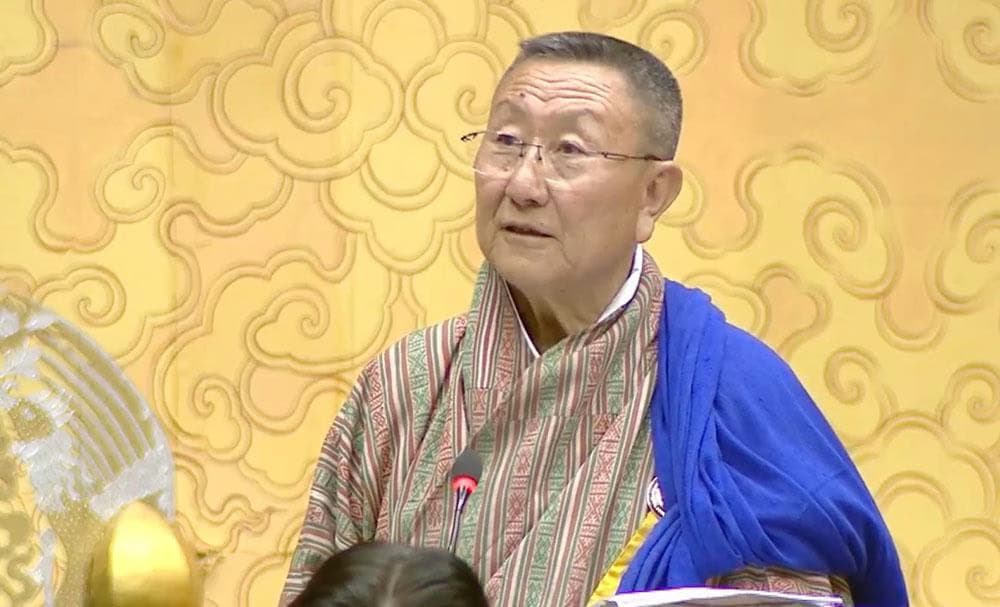
In a significant legislative move, the National Assembly of Bhutan has unanimously passed the Goods and Services Tax (GST) Amendment Bill 2026, marking a pivotal moment in the nation's economic policy. This amendment aims to broaden the scope of GST exemptions, particularly for essential commodities and social welfare items, thereby alleviating the financial burden on everyday Bhutanese consumers.
🌾 Expanding Exemptions for Essential Commodities
The expanded GST exemption list is a thoughtful initiative by the Economic and Finance Committee (EFC), led by South Thimphu MP Tshewang Rinzin. The Bill notably exempts all varieties of locally produced rice, including the culturally significant Yeechum and the commercially valuable red rice. This strategic exemption is expected to support local agriculture and make staple foods more affordable.
Edible oils derived from local trees, flowers, and leaves are also included under the exemption list. This category covers 20 types of cooking oils, a staple in Bhutanese kitchens. Local fresh butter, a cherished ingredient, falls under existing exempt categories, adding to the relief for consumers.
🛌 Social Welfare and Inclusivity
In a progressive step towards inclusivity, the Bill extends GST exemptions to include diapers for all ages and needs—baby, adult, and those for the sick. Sanitary pads are also exempt, addressing a critical need for women's health.
Furthermore, the Bill promotes mobility with exemptions for automated motorised wheelchairs, broadening the existing provisions for manual mobility aids. This initiative is a step forward in ensuring that differently-abled individuals have better access to necessary equipment without financial barriers.
📊 Economic Implications and Future Outlook
This legislative change is not just a fiscal adjustment but a reflection of Bhutan's commitment to social equity and economic sustainability. By exempting essential goods, the government aims to bolster domestic production and consumption, aligning with broader economic goals.
The unanimous vote by all 45 members of the National Assembly underscores a collective vision for a more inclusive economic structure. As Speaker Lungten Dorji emphasized, maintaining proper documentation will be crucial for smooth implementation and public clarity.
🔍 Historical Context and Trends
The GST system in Bhutan has evolved significantly since its inception, mirroring global trends in tax reform aimed at simplifying tax structures and enhancing compliance. The recent amendment is part of a broader strategy to adapt to changing economic environments and consumer needs.
Looking ahead, Bhutan's focus on expanding GST exemptions may influence other sectors, encouraging more comprehensive tax reforms. This could potentially lead to further debates and discussions in future parliamentary sessions, especially as global economic conditions fluctuate.
📈 Key Takeaways and Looking Forward
- The GST Amendment Bill 2026 marks a significant expansion of tax exemptions in Bhutan.
- It includes essential commodities like rice and cooking oils and social welfare items such as diapers and mobility aids.
- The measure reflects Bhutan's commitment to economic inclusivity and social equity.
- Proper documentation and implementation are vital for the success of this policy.
As Bhutan continues to navigate its economic landscape, this legislative change is a promising step towards a more equitable and sustainable future. With the National Assembly's unanimous support, Bhutan is poised to enhance its social welfare framework while fostering local economic growth.
You May Also Like
Economy
Bhutan's Bold Vision: Two USD 50M Enterprises by 2030
September 27, 2026

Economy
Mega Dry Port in Pasakha: Bhutan's Trade Revolution
September 25, 2026

Economy
Fixed Deposit Tax Withholding: What You Need to Know
September 13, 2026
Economy
DRC's QR Payment Innovation: Tracking Business Income
September 2, 2026