Category:
EconomyGST Exemptions Extended to Essential Goods
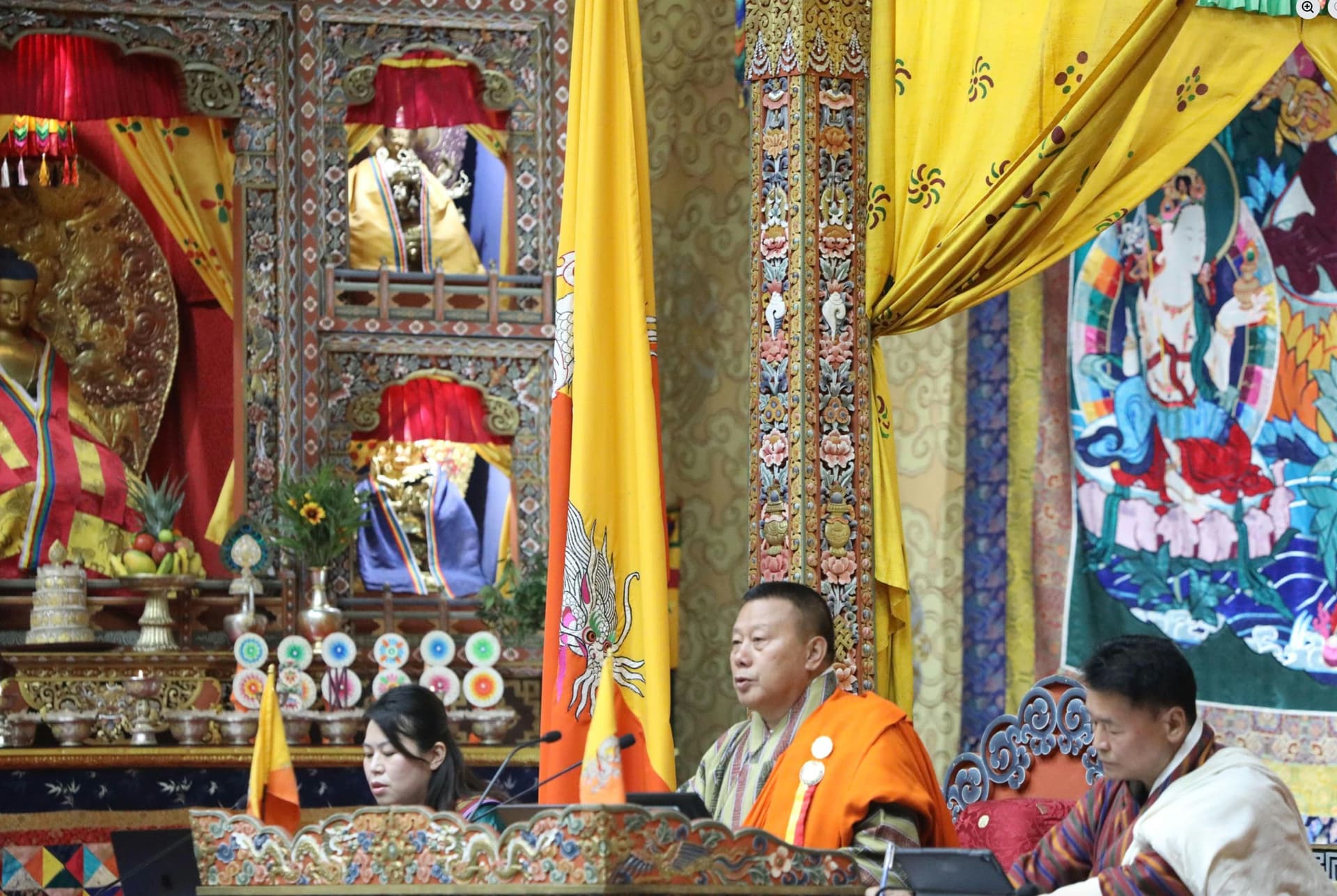
In a significant move to alleviate the financial burden on Bhutanese households, the National Assembly has endorsed the expansion of Goods and Services Tax (GST) exemptions to cover a broader range of essential goods and welfare items. This decision, taken on May 25, reflects a growing commitment to economic inclusivity and social welfare. 🌟
Understanding the GST Exemptions
The GST exemptions initially covered five broad categories of goods, focusing mainly on food staples and hygiene products. However, inconsistencies in the Bhutan Trade Classification (BTC) codes led to implementation challenges. Recognizing the need for uniformity and clarity, the Economic and Finance Committee (EFC) proposed amendments to the GST (Amendment) Bill 2026, which were subsequently endorsed by the National Assembly.
Key Items Included in the Exemptions
- Rice Varieties: All varieties of rice, including husked brown rice, red rice (Yeechum), and semi-milled or wholly milled rice, are now exempt from GST. However, broken rice used in brewing and factories remains taxable.
- Edible Oils: Commonly used oils such as soybean, groundnut, olive, palm, sunflower, coconut, mustard, sesame, and maize oils, along with vegetable fats, fall under the exemption.
- Hygiene Products: Sanitary towels, tampons, baby napkins, and related products are included, expanding coverage to previously excluded items like baby and adult diapers.
Welfare Items
- Assistive Devices: Wheelchairs, both mechanically propelled and non-mechanically propelled, are exempt. This decision aims to ease the financial burden for persons with disabilities, who make up about 7% of the Bhutanese population.
- Potential Future Inclusions: Discussions are ongoing about extending exemptions to spectacles, hearing aids, electricity, and internet services to further support vulnerable groups.
Broader Economic Impact 🌍
The expansion of GST exemptions is expected to have significant economic implications. By reducing the tax burden on essential goods, the policy aims to increase affordability, particularly for lower-income households. This move aligns with Bhutan's broader economic goals of reducing poverty and promoting equitable growth.
Historical Context
Bhutan's economic policies have long been influenced by its commitment to Gross National Happiness (GNH), prioritizing well-being over mere economic output. This latest amendment reflects a continuation of that philosophy, ensuring that economic policies serve the broader goal of societal happiness and welfare.
Challenges and Considerations
Despite the positive outlook, there are challenges to consider. Ensuring precise classification of goods under BTC codes is crucial to avoid future implementation issues. Additionally, the inclusion of chemically modified oils and oils not listed under BTC codes remains a topic of debate.
Future Outlook 🔍
The GST (Amendment) Bill 2026 is scheduled for final voting on May 29, 2026. If passed, it will increase the number of GST-exempt items under Schedule IV C from nine to 31. This expansion represents a significant shift towards a more inclusive and equitable taxation system in Bhutan.
Conclusion
The endorsement of expanded GST exemptions marks a pivotal step in Bhutan's economic policy, prioritizing essential goods and welfare items. As the nation continues to navigate its economic path, these exemptions are a testament to Bhutan's commitment to ensuring that economic policies foster inclusivity and support all citizens. This development is not just a policy change but a reflection of Bhutan's enduring dedication to the well-being of its people. ✨
You May Also Like
Economy
Government Addresses 400+ Business Issues to Boost Economy
October 10, 2026
Economy
Bhutan's Bold Vision: Two USD 50M Enterprises by 2030
September 27, 2026

Economy
Mega Dry Port in Pasakha: Bhutan's Trade Revolution
September 25, 2026

Economy
Fixed Deposit Tax Withholding: What You Need to Know
September 13, 2026